Chocolate viscosity measurement with Rotational Viscometer
Rotational viscometers are also widely used in the detection of chocolate viscosity, which can determine its flow properties and viscosity characteristics by measuring the viscosity of chocolate at different rotational speeds. Chocolate viscosity that is too high or too low will affect the taste and texture of chocolate. By measuring the viscosity of chocolate, the production process of chocolate can be determined, and the quality and taste of chocolate can be controlled. In chocolate production, the viscosity of chocolate will change with changes in temperature, stirring speed and other factors. By measuring chocolate viscosity, production parameters can be adjusted to optimize production efficiency and reduce production costs. Its application such as:
Determining the viscosity properties of chocolate in order to optimize chocolate production and processing;
Monitor the quality of chocolate and detect impurities and contaminants in chocolate;
Helps determine production rates and kinetic parameters.
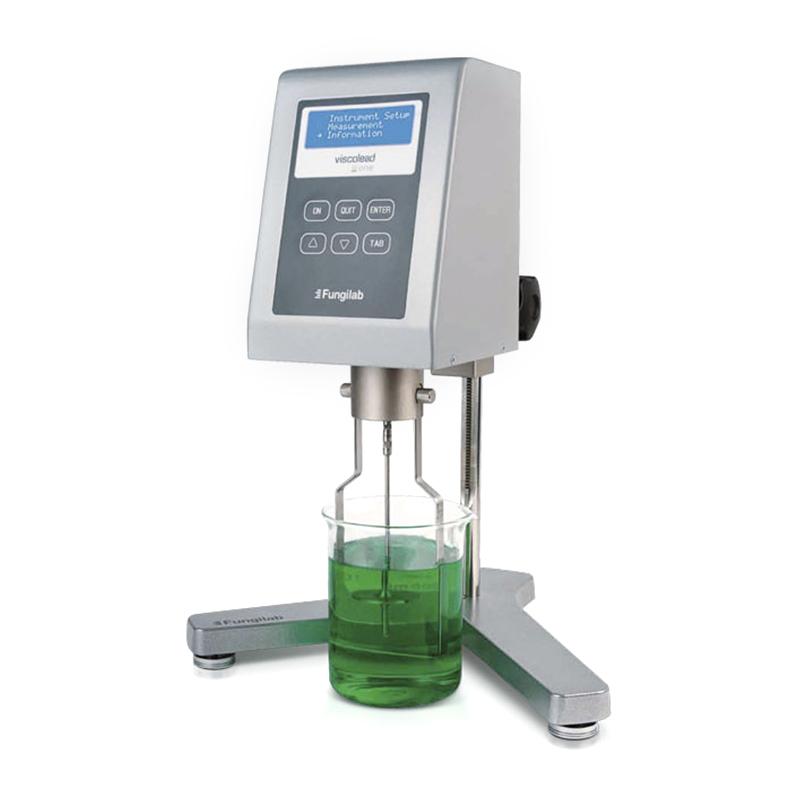
The following is the application of Rotational Viscometer in the detection of chocolate viscosity and its detection steps:
Detection steps:
Prepare the samples: Cut the chocolate samples into small pieces, melt them in a hot Water Bath, and allow to cool to room temperature. Place the sample into the sample cell of the Rotational Viscometer.
Setting parameters: select the appropriate speed range and time, and set the parameters of the Rotational Viscometer. Typically, the rotational speed is 60 rpm.
Measurement: Turn on the Rotational Viscometer, let the spindle spin and measure the viscosity. Typically, the measurement time is 60 seconds.
Record data: record the viscosity value of each measurement point, and calculate the average value as needed.
Analyzing the results: Based on the measurement results, the viscosity characteristics and other relevant parameters of the chocolate are evaluated and the next steps are determined.
North and South Tide Tip: There are a few extra steps that need to be taken when testing chocolate viscosity. For example, chocolate samples need to be heated and melted before measurement to ensure the accuracy of the measurement results. In addition, it is necessary to maintain a constant temperature during the measurement to avoid the influence of temperature changes on the measurement results.
- 1Rotational viscometer - principle, classification, application and calibrating
- 2Application of NDJ-8S digital Rotational Viscometer in viscosity measurement of cosmetic raw materials
- 3NDJ-5S digital Rotational Viscometer accurate measurement of natural oil viscosity
- 4Viscosity of polypropylene (PP) amide measured by NDJ Viscometer
- 5Application of HBDV-1H swirl/spin High Temperature Viscometer in Viscosity Determination of Plastic Particles
- 6Rotational viscometer selection guide: How to choose the right viscosity equipment for you?
- 7Principle, type and accuracy control of Rotational Viscometer
- 8Which Viscometer to Choose for Licorice Extract Viscosity Testing? How to Test?
- 9Application of Rotational viscometer in Waterborne Polyurethane Adhesive