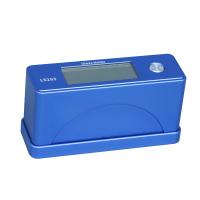
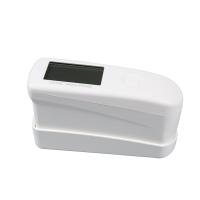
Assess rock surface gloss
The glossiness of a rock refers to the degree to which its surface reflects light, and it is also one of the important indicators for evaluating the quality and characteristics of rocks. Measuring a rock's gloss can reveal aspects such as its texture, crystallinity, mineral composition, and texture. The glossiness of rocks can be evaluated by visually observing and comparing the surface reflections of different rocks, or it can be measured with a professional gloss testing instrument. Through the measurement of rock gloss, its quality, type and use can be determined, and it can also provide important references for rock quarrying, processing and application.
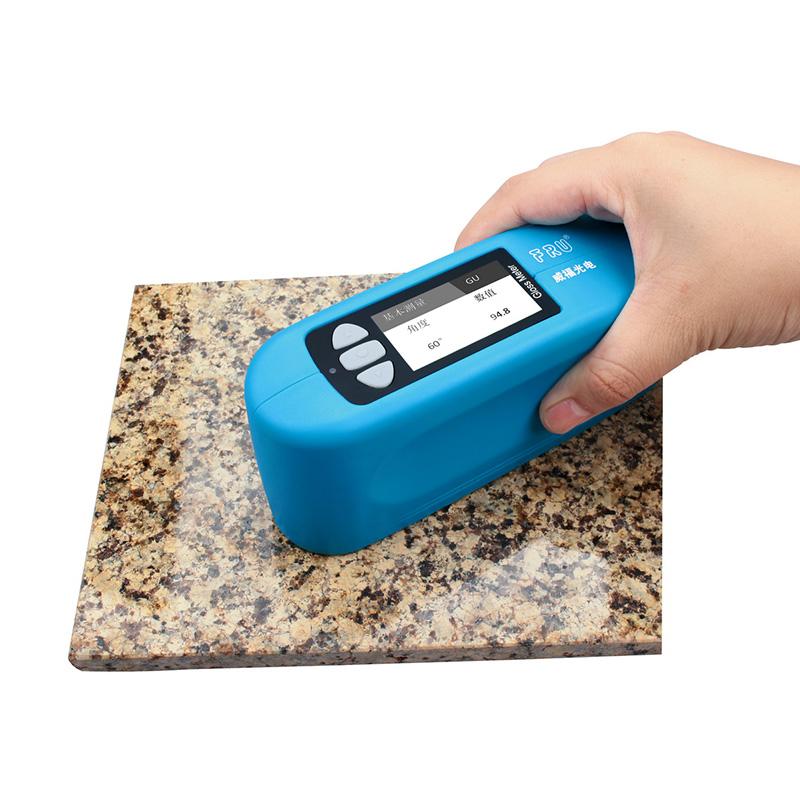
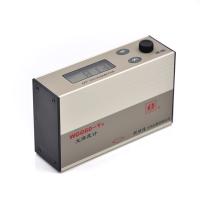
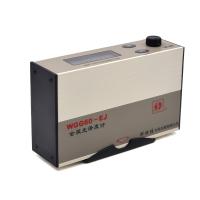
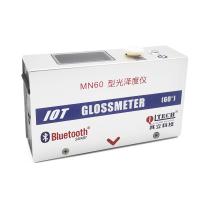
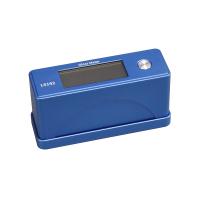
The gloss meter can be used to detect the glossiness of rocks, and its measurement results can reflect the glossiness of the rock surface, so as to judge the surface quality of the rock and the uniformity of glossiness. The following is the application of gloss meter in the detection of rock gloss and its measurement steps:
Instrument preparation: choose a suitable gloss meter, turn on the power, and calibrate the gloss meter at zero.
Sample preparation: take a rock sample, clean its surface, and remove surface dust, oil and other impurities.
Measurement operation: put the gloss meter perpendicular to the sample surface, press the test button to measure, and record the measurement result after the instrument displays a stable value.
Multiple measurements: take multiple measurements on the same rock sample and take the average value to improve the accuracy of the measurement results.
Data processing: compare the results of multiple measurements to obtain the gloss value of the rock sample.
NBCHAO reminds you: the measurement results of the gloss meter are affected by external light, temperature and other factors, so it is necessary to maintain the stability of the environment and perform instrument calibration during measurement. In addition, different types of rocks have different glossiness standards, so when using a Glossmeter to detect rock glossiness, it is necessary to refer to the corresponding standards for measurement and evaluation.
- 1Gloss inspection method of slurry inks
- 2Principle and Application of Glossiness Tester
- 3Working Principle and Application of Metal Gloss Meter
- 4Basic principle and application analysis of insulating paint gloss Detector
- 5Working principle and application analysis of film Glossmeter
- 6Principle and application analysis of microporous gloss meter
- 7 FZ/T 01097 Analysis of fabric gloss test method
- 8Evaluation and Application of Optical Properties of Powder coatings
- 9Coating coatings - Determination of surface gloss and Gloss meter