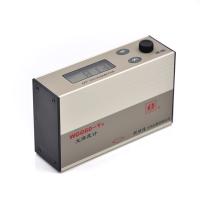
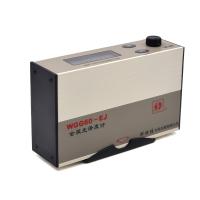
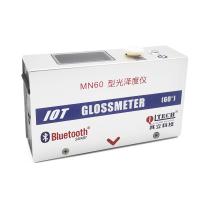
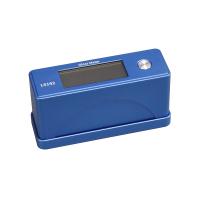
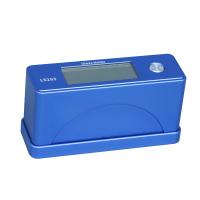
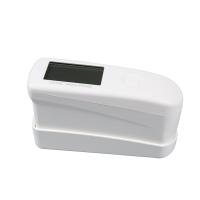
Application of Glossmeter in metal surface gloss detection
The glossiness of metal refers to the ability of its surface to reflect light, that is, the brightness of the surface. Measuring the gloss of metals can help determine the optical properties and appearance quality of metal surfaces. If there are flaws or stains on the metal surface, it will cause light scattering and absorption, reduce the gloss of the metal, and affect its appearance quality and service life. Therefore, measuring the gloss of metal can check the uniformity and quality of the metal surface, ensure that the metal meets the requirements, and improve the appearance quality and service life of the metal.
In addition, gloss is also an important index to measure the reflective performance of metals, and it is even more important for some special-purpose metal products, such as reflective materials and optical components.

The gloss meter can be used to measure the specular reflectance of the metal surface in the detection of the gloss of the metal surface to evaluate its surface gloss. The detection can be applied to a variety of metal materials, such as stainless steel, aluminum alloy, copper, chrome-plated surfaces, etc.
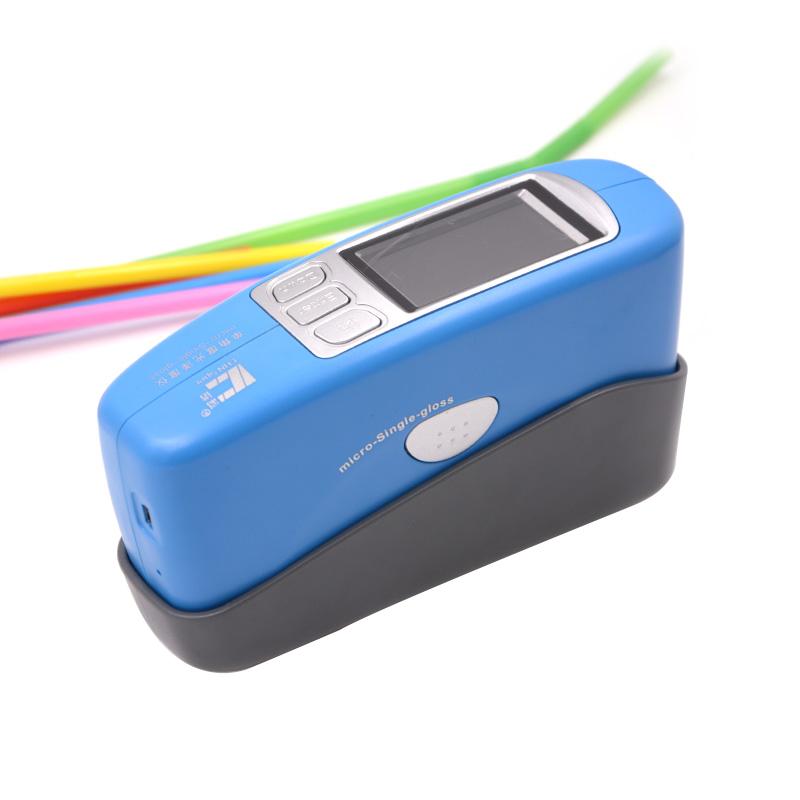
Measurement steps
The following is a general gloss measurement procedure:
Prepare the sample: Clean the metal surface to ensure that it is free of impurities and fingerprints.
Turn on the gloss meter and calibrate: turn on the gloss meter according to the requirements of the instrument manual, and calibrate it to ensure accuracy.
Place the sample: place the sample on the measuring table of the gloss meter, and ensure that the sample is closely attached to the measuring surface of the instrument to avoid light loss.
To measure: according to the operating instructions of the instrument, start the instrument to measure. The instrument sends a beam of light onto the sample surface, then measures the intensity of the reflected light and calculates the gloss value.
Record the results: After the measurement is completed, record the measurement results and perform data analysis and comparison.
North and South Tide reminds you: Different metal materials may require different measurement conditions and parameter settings. When performing gloss detection, refer to the operation guide of the instrument, and perform parameter adjustment and data analysis according to specific materials and measurement requirements
- 1Gloss inspection method of slurry inks
- 2Principle and Application of Glossiness Tester
- 3Working Principle and Application of Metal Gloss Meter
- 4Basic principle and application analysis of insulating paint gloss Detector
- 5Working principle and application analysis of film Glossmeter
- 6Principle and application analysis of microporous gloss meter
- 7 FZ/T 01097 Analysis of fabric gloss test method
- 8Evaluation and Application of Optical Properties of Powder coatings
- 9Coating coatings - Determination of surface gloss and Gloss meter