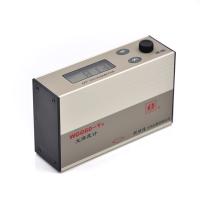
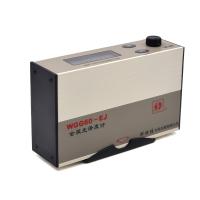
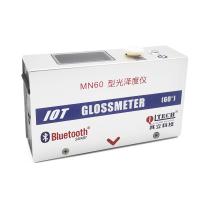
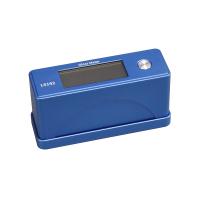
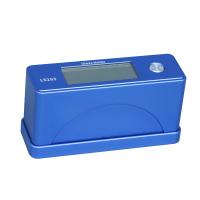
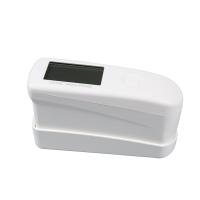
Application of Glossmeter in paper surface gloss detection
Gloss refers to the brightness and reflective ability of the surface of an object to reflect light, and is one of the important indicators of surface smoothness and quality. In industries such as paper manufacturing and printing, gloss is one of the important indicators for evaluating paper quality.
Value
The glossiness of the paper surface is an important indicator for evaluating the intensity of light reflected by the paper surface. By measuring the gloss of the paper surface, it can help manufacturers and designers understand the quality and application range of the paper.
A high-gloss paper surface generally enhances the visual impact and appeal of prints, resulting in sharper images and richer colors. Therefore, many high-quality printed materials, such as business cards, leaflets, magazines, etc., need to have a high gloss.
In addition, measuring the glossiness of the paper surface can also be used to control the paper production process. Paper manufacturers can adjust the formulation and process of the paper based on the measurement results to ensure that the gloss of the paper surface meets the expected requirements.
To sum up, measuring the glossiness of paper surface is an important method to evaluate paper quality and scope of application, which can help manufacturers and designers choose appropriate paper to ensure better gloss and visual effect of printed matter.

Detection method
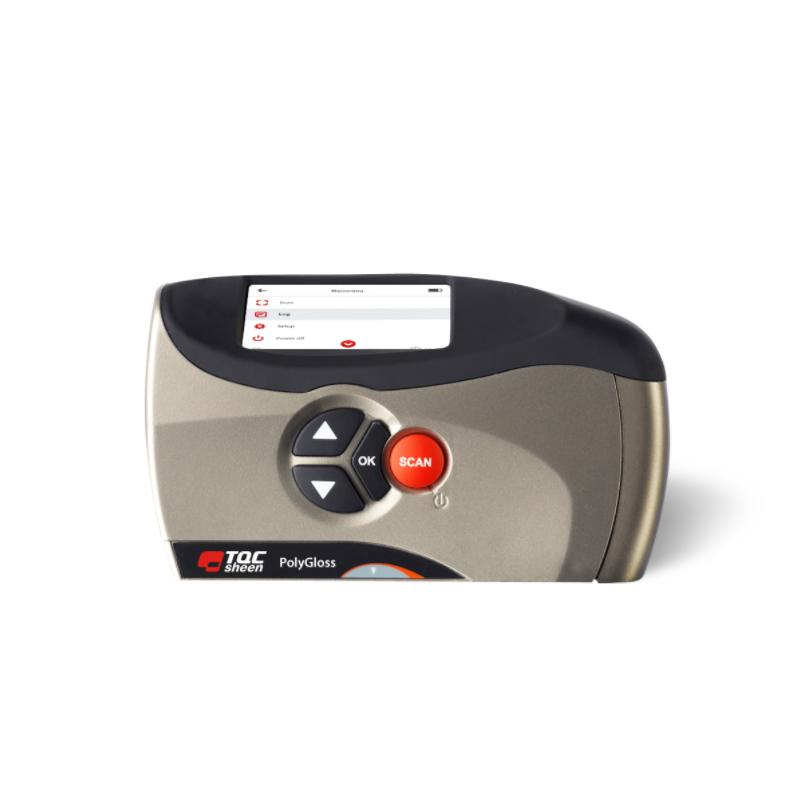
Gloss meter is widely used in paper surface gloss detection, the following are the measurement steps:
Preparation: place the paper sample to be tested flat on the test area, avoid interference from other light sources, and ensure the stability and uniformity of the test environment.
Calibrate the instrument: Use a standard plate for calibration to ensure the accuracy and reliability of the instrument.
Measurement operation: turn on the power of the instrument, adjust the test angle, select the test mode (usually 20 degrees and 60 degrees), and then point the head of the gloss meter to the surface of the paper for measurement. Each test area needs multiple measurements to take the average value to improve the test accuracy.
Record the results: After the measurement is completed, record the test results and perform data analysis. Data comparison and evaluation can be carried out by calculating indicators such as average value and standard deviation.
In short, the gloss meter can quickly and accurately measure the gloss of paper in the paper surface gloss test, and provide reliable data support for production and quality management.
- 1Gloss inspection method of slurry inks
- 2Principle and Application of Glossiness Tester
- 3Working Principle and Application of Metal Gloss Meter
- 4Basic principle and application analysis of insulating paint gloss Detector
- 5Working principle and application analysis of film Glossmeter
- 6Principle and application analysis of microporous gloss meter
- 7 FZ/T 01097 Analysis of fabric gloss test method
- 8Evaluation and Application of Optical Properties of Powder coatings
- 9Coating coatings - Determination of surface gloss and Gloss meter