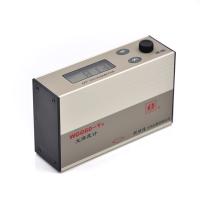
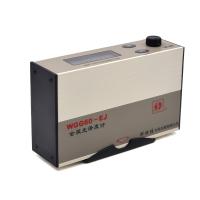
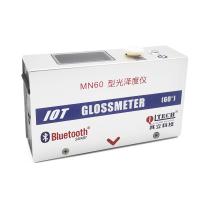
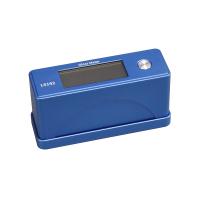
Measuring gloss of ceramic products with Glossmeter
The purpose of measuring the gloss of ceramic products is to evaluate their appearance quality and material characteristics, because gloss is one of the important indicators to characterize the surface smoothness, reflection ability and texture of ceramic products. High-gloss ceramic products have a smooth, bright surface, good reflective performance, and fine surface texture, which can improve their aesthetics and texture, thereby enhancing their market competitiveness. Ceramic products with low gloss may show a more plain and natural style, which is suitable for some specific applications. At the same time, measuring the glossiness of ceramic products can also help manufacturers monitor production quality, discover problems in the production process in time, and make improvements and adjustments to ensure the stability and consistency of product quality.
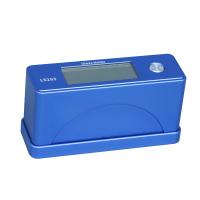
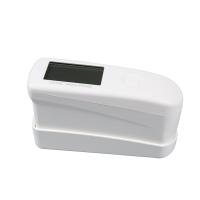
Gloss is the degree of smoothness and brightness of the surface of ceramic products. The gloss meter can be used to measure the gloss of ceramic products. The following is the application and measurement steps of the gloss meter in the gloss detection of ceramic products:
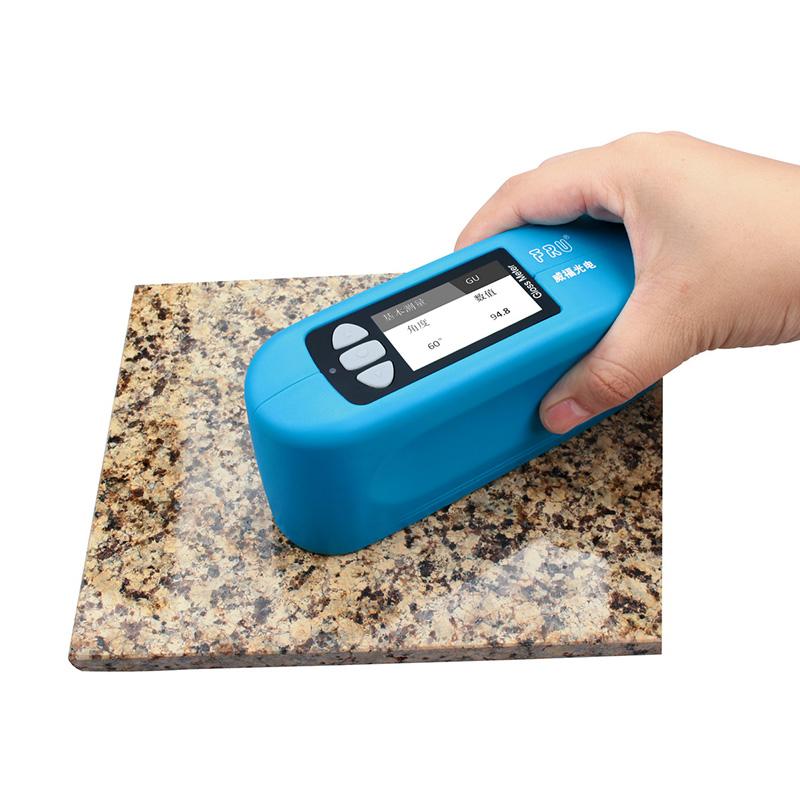
Measurement steps
Preparation: Put the gloss meter and the standard ceramic plate in the same environment, let them reach the same temperature and humidity.
Calibration: The gloss meter is calibrated using a standard ceramic plate to ensure accuracy and repeatability.
Measurement: Put the ceramic product to be tested on the gloss meter, press the measurement button on the instrument, the gloss meter will emit a beam of light, shine on the ceramic surface, and measure the intensity of the reflected light.
Repeat: Perform multiple measurements on the same ceramic object to ensure data accuracy and repeatability.
Record: Record the measurement results in a form, including measurement time, measurement location, ceramic product information, measurement results, etc.
Analysis: According to the measurement results, analyze whether the glossiness of ceramic products meets the standard requirements.
NBCHAO reminds you: Different types of ceramic products may require different measurement methods and parameter settings, so when using a gloss meter for measurement, you should first understand the specific measurement requirements and methods.
- 1Gloss inspection method of slurry inks
- 2Principle and Application of Glossiness Tester
- 3Working Principle and Application of Metal Gloss Meter
- 4Basic principle and application analysis of insulating paint gloss Detector
- 5Working principle and application analysis of film Glossmeter
- 6Principle and application analysis of microporous gloss meter
- 7 FZ/T 01097 Analysis of fabric gloss test method
- 8Evaluation and Application of Optical Properties of Powder coatings
- 9Coating coatings - Determination of surface gloss and Gloss meter