Pigment of Coatings
The paint film of the paint composed only of film-forming substances is transparent, and the protective effect on the substrate and the decorative effect are poor. For this, pigments are added. Pigment is a water-insoluble, fine powder colored substance that can be evenly distributed in the medium. Its function is to increase the covering property of the paint film, increase the strength of the paint film, aging resistance, and some special functions (such as inhibiting metal corrosion) , prevent ultraviolet rays from penetrating, high temperature resistance, etc.).
1. Requirements for pigments
Good tinting strength, high dispersion, bright colors.
2. Pigment classification
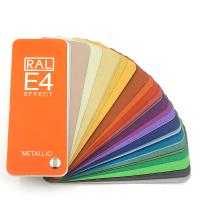
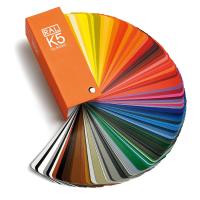
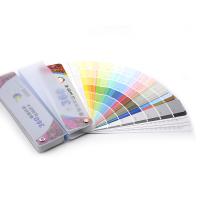
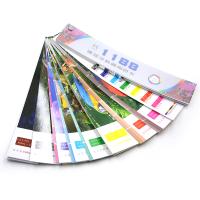
According to the chemical composition, it can be divided into two categories: organic pigments and inorganic pigments. According to their function in coatings, they can be divided into three categories: coloring pigments, antirust pigments, and extender pigments (related instruments: Colorimeter, Color Chart, etc.).
1) Coloring pigment is one of the most varieties of pigments. Its function is to color and cover the surface. Commonly used varieties are:
Iron red, titanium dioxide, lithopone, toluidine red, lead chrome yellow, iron blue, phthalocyanine blue, lead chrome green, phthalocyanine green, carbon black, aluminum powder (silver powder), copper powder (gold powder), etc. The colors are red, white, yellow, blue, green, black and metallic luster.
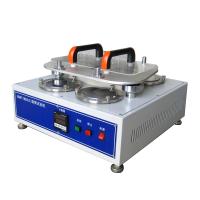
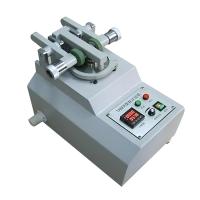
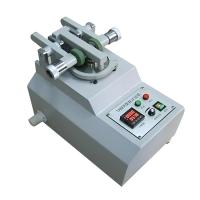
2) The function of the extender pigment is to fill the paint to increase the thickness of the paint film, improve the wear resistance of the paint film (related instruments: wear-resistant testing machine) and durability.
The main varieties are; talcum powder, magnetite, barium sulfate, calcium carbonate, mica powder, diatomaceous earth and so on.
3) The main function of anti-rust pigment is to prevent metal from rusting. The main varieties are: red lead, zinc chrome yellow, iron oxide red, aluminum powder, barium metaborate, etc.
- 1Importance and determination method of paraffin resistance of pigments
- 2How to determine pigment lightfastness
- 3How to assess the dispersion of pigments?
- 4Pigment acid alkalinity test
- 5Definition of pigment PVC formula, use of pigment
- 6What are the four major categories of coatings?
- 7How are pigment flocculation and sedimentation formed?
- 8How to increase the redispersion effect of pigment surface area?
- 9Pigment related ASTM testing standards
-
![Germany TEL E4 Raul Metallics Guide]() Germany TEL E4 Raul Metallics Guide$ 134.00
Germany TEL E4 Raul Metallics Guide$ 134.00 -
![Germany TEL K5 Raul Formula Guide Semi-matte with 216 Raul Classic Color Sector Formula Guide]()
-
![Architectural coatings Formula Guide Q8 FKCC with 360 premium interior and exterior wall colors]()