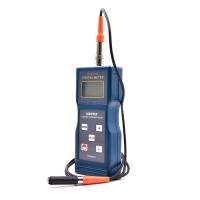
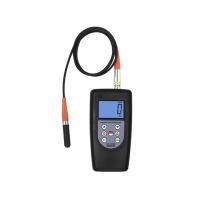
Application of coating Thickness Gauge in thickness measurement of PCB printed circuit board platings
The thickness of the PCB coating directly affects the quality and reliability of the PCB. The coating on the PCB can protect the metal surface from corrosion and oxidation, and can also provide good electrical conductivity. If the coating thickness is insufficient, it may not be able to provide sufficient protection, resulting in corrosion and damage to the metal surface, and even affect the function and life of the circuit; if the coating thickness is too thick, it may lead to an increase in production costs and may affect the coating. appearance and quality. In addition, accurate measurement of PCB coating thickness can also ensure the consistency and quality control of the production process, and improve the production efficiency and stability of PCB. Therefore, measuring PCB plating thickness is a necessary step for any PCB manufacturer or user to ensure the quality and performance of the final product.

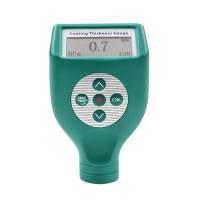
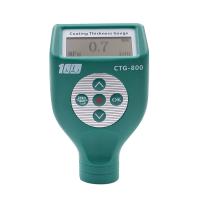
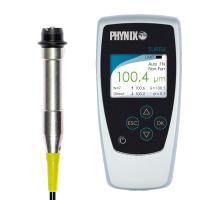
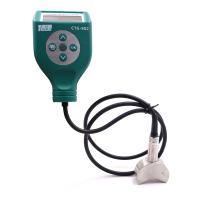
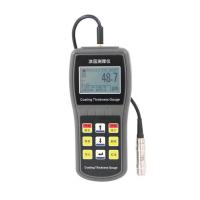
Coating Thickness Gauge is widely used in PCB printed circuit board coating thickness measurement. It can be used to measure the thickness of gold-plated, silver-plated, copper-plated and other coatings on the surface of PCB to ensure the quality and performance of circuit boards.
Reference steps
Prepare the coating Thickness Gauge: turn on the coating Thickness Gauge, install the probe according to the method in the manual, and select the appropriate probe according to the measurement requirements.
Calibrating a Coating Thickness Gauge: Before using a coating Thickness Gauge, it needs to be calibrated to ensure accuracy. Calibration can be performed using standard plates or samples of known thickness. Choose the calibration method based on coating type and thickness.
Prepare the PCB: Place the PCB to be tested on a flat surface and make sure the surface is clean and flat without any dirt or unevenness.
Measuring PCB coating thickness: place the probe of the coating Thickness Gauge on the surface of the PCB, press the measurement button, and wait for the measurement results to appear. Move the probe to different positions that need to be measured, repeat the measurement process, record the measurement results and calculate the average value.
Analyze the measurement results: According to the measurement results and coating specifications, determine whether the coating thickness on the PCB surface meets the requirements.
Processing of measurement results: According to the measurement results, it can be decided whether further processing or adjustment is required, such as increasing or reducing the thickness of the plating layer, thereby ensuring the quality and performance of the PCB.
During the measurement of PCB coating thickness, care should be taken to avoid any interference between the probe and the surface of the PCB, so as not to affect the measurement accuracy. At the same time, attention should also be paid to maintaining the normal use and maintenance of the coating Thickness Gauge to ensure its stability and reliability.
- 1Nondestructive measurement Coating thickness
- 2Principle, application and selection of traffic coatings Coating Thickness Gauge
- 3Principle, Application and Selection of Eddy current Coating Thickness Gauge
- 4Principle, Application and Type Selection of Electronic Coating Thickness Gauge
- 5Explore the principle, application and selection of phosphating layer Coating Thickness Gauge
- 6Principle, Application and Type Selection Analysis of Chrome Coating Thickness Gauge
- 7Principle, Application and Selection of Coating Thickness Gauge for inner wall of small pipe
- 8Basic principle and application scenario of steel Coating Thickness Gauge
- 9Principle and Application Analysis of Coating Thickness Gauge