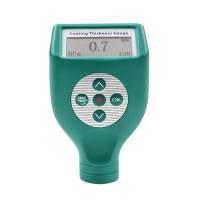
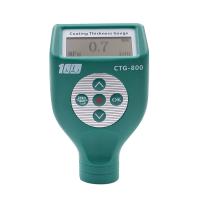
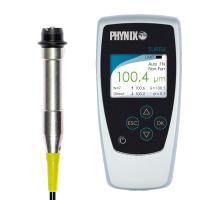
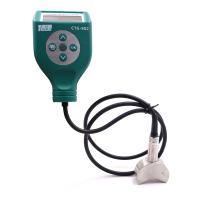
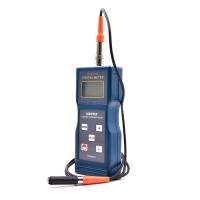
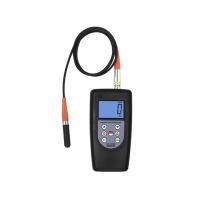
Measurement of anti-corrosion coatings coating thickness with coating Thickness Gauge
The coating thickness of heavy-duty coatings is directly related to the corrosion resistance and protection of the coating. If the coating is not thick enough, it may not provide sufficient protection, resulting in corrosion and damage to the metal surface, and even shortened service life. On the other hand, if the coating thickness is too thick, it may lead to an increase in production costs, and may affect the appearance and quality of the coating. Accurate measurement of coating thickness for heavy-duty anti-corrosion coatings can ensure the quality and durability of coatings, while improving production efficiency and reducing costs. In addition, for coating users, such as ships, oceans, petrochemicals, construction and other industries, measuring the coating thickness of heavy-duty anti-corrosion coatings is also a necessary step to ensure the quality and reliability of the coating, thereby protecting the metal surface and prolonging the life of the coating. service life.
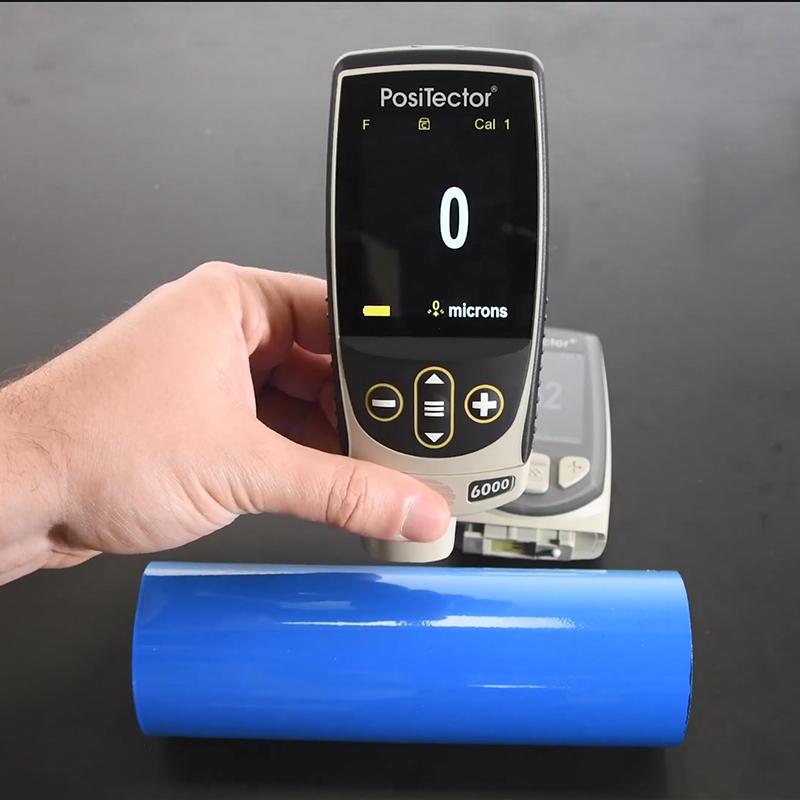
The coating Thickness Gauge can adopt the following solutions in the measurement of coating thickness of heavy-duty coatings:
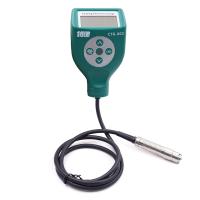
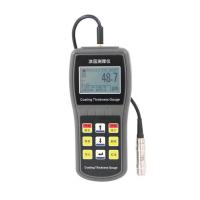
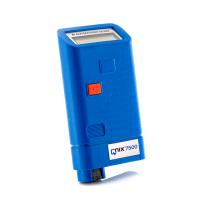
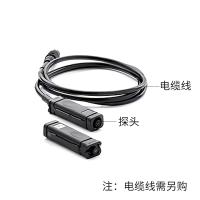
1. Select a suitable coating Thickness Gauge: Since the thickness of heavy-duty anti-corrosion coatings is generally thick, it is recommended to choose a coating Thickness Gauge with a larger measurement range to ensure accurate measurement of thick coatings.
2. Adjust the parameters of the coating Thickness Gauge: Different types of heavy-duty anti-corrosion coatings have different physical characteristics, and the parameters of the coating Thickness Gauge need to be adjusted according to the actual situation to ensure that the coating thickness can be accurately measured.
3. Prepare the coating surface: Before measuring the thickness of the coating, it is necessary to prepare the coating surface and remove the oil, dust and impurities on the surface to ensure that the measurement results are accurate and reliable.
4. Measure the coating thickness: place the coating Thickness Gauge on the coating surface, press the measurement button to measure, and record the coating thickness after the measurement result is stable.
5. Multi-point measurement: Since the uneven coating may cause the local coating to be too thin or too thick, it is recommended to take multiple measurements at different positions to obtain a more accurate average value.
6. Timely calibration: The coating Thickness Gauge needs to be calibrated regularly to ensure the accuracy and reliability of the measurement results. Calibration should be performed in a laboratory or by a professional institution.
In short, choosing a suitable coating Thickness Gauge, adjusting parameters, preparing the surface, measuring at multiple points and calibrating in time can obtain more accurate results in the measurement of coating thickness of heavy-duty coatings.


- 1Nondestructive measurement Coating thickness
- 2Principle, application and selection of traffic coatings Coating Thickness Gauge
- 3Principle, Application and Selection of Eddy current Coating Thickness Gauge
- 4Principle, Application and Type Selection of Electronic Coating Thickness Gauge
- 5Explore the principle, application and selection of phosphating layer Coating Thickness Gauge
- 6Principle, Application and Type Selection Analysis of Chrome Coating Thickness Gauge
- 7Principle, Application and Selection of Coating Thickness Gauge for inner wall of small pipe
- 8Basic principle and application scenario of steel Coating Thickness Gauge
- 9Principle and Application Analysis of Coating Thickness Gauge