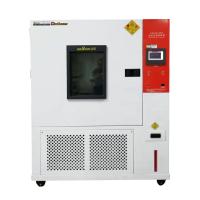
Application of low/high Temperature Test Chamber in Spinning & weaving
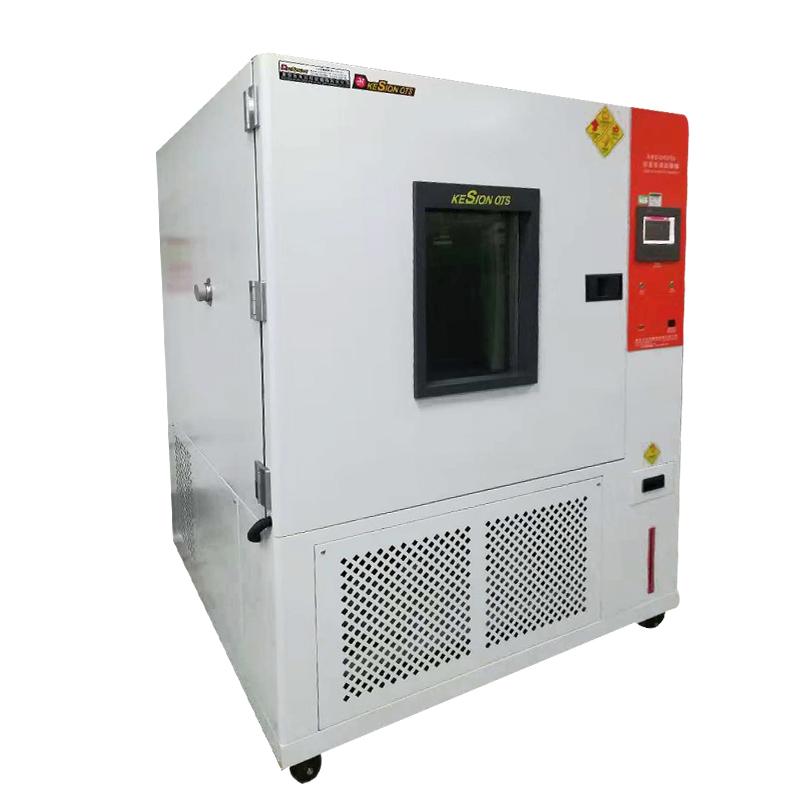
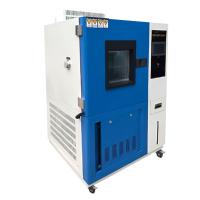
The application of high-low Temperature Test Chambers in textile high-low temperature resistance tests is mainly to test the physical and chemical properties of textile materials in high temperature, low temperature and temperature change environments to evaluate their applicability and reliability.

Textiles need to undergo high-low temperature resistance tests, mainly to evaluate the changes in their physical and chemical properties under different temperature conditions to ensure that they can withstand different environmental conditions while maintaining the stability and reliability of their quality and performance. Through the high-low temperature resistance test, important indicators such as dimensional stability, color fastness, strength, abrasion resistance and washing resistance of textiles at different temperatures can be evaluated, so as to ensure that they can maintain their quality for a long time in different application scenarios and performance.
experiment method
The following are the general test steps:
Sample preparation: According to the specified standard, prepare a certain number and size of test samples.
Stabilization: The sample is left at room temperature for a period of time to ensure that it reaches a temperature stable state.
Place the sample: place the sample in the high-low Temperature Test Chamber, and test according to the specified temperature and time. For example, a sample can be exposed to a high temperature environment for a period of time, then transferred to a low temperature environment, or alternated between high-low temperatures.
Observation record: During the test, observe and record the performance changes of the sample, such as strength, hardness, color, size change, etc.
Evaluation results: According to the test results and the specified standards, evaluate whether the sample meets the requirements.
NBCHAO reminds you: Before conducting high-low temperature tests, you should choose the appropriate temperature and time range according to actual needs and specifications, so as not to cause too much interference to the accuracy and reliability of the test results. At the same time, we must also pay attention to the operating requirements and safety measures of the high-low Temperature Test Chamber.

- 1Application and structure principle of low/high Temperature Test Chamber
- 2Principle, application and selection of low/high Temperature Test Chamber for plastic belt
- 3Principle, application and selection of fire-proof coatings low/high Temperature Test Chamber
- 4Principle, application and selection of ultra low/high Temperature Test Chamber
- 5Principle and application of desktop low/high Temperature Test Chamber
- 6Application of FRP low/high Temperature Test Chamber
- 7The working principle and application scenario of non-standard high-low-Temperature Test Chamber
- 8Application of programmable low/high Temperature Test Chamber NBC-CDW-150M in luminaire testing
- 9What are the reasons why the high-low temperature alternating heating and Humidity Chamber cannot be thermostatic?