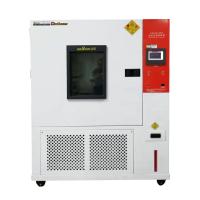
Low/high Temperature Test Chamber for high-low temperature resistance test of wine cellars
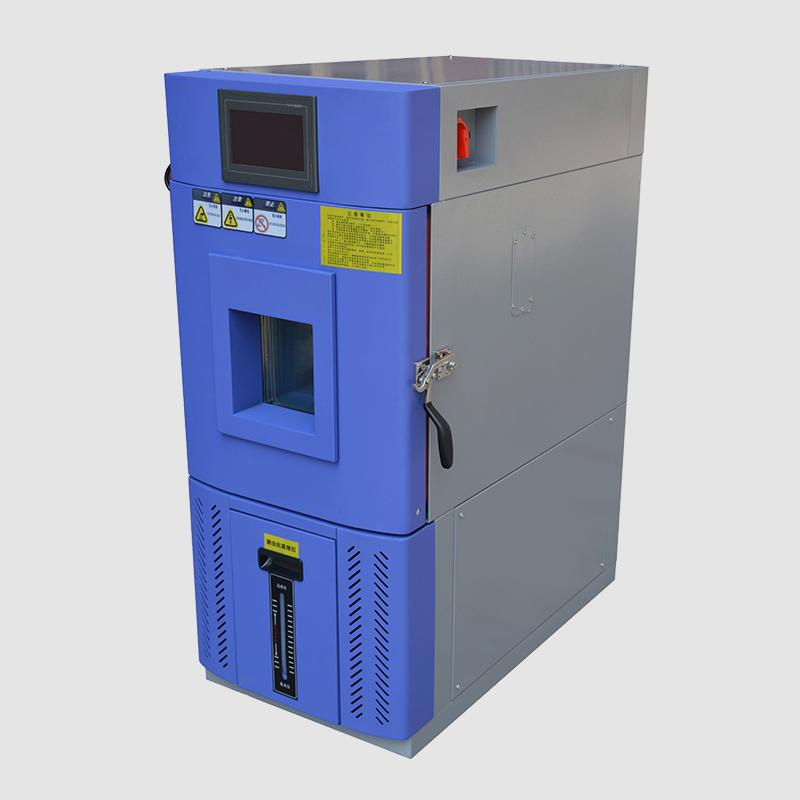
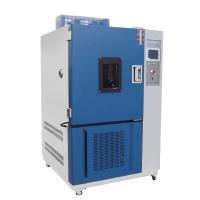
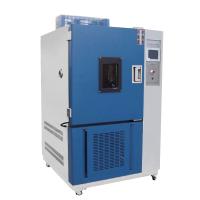
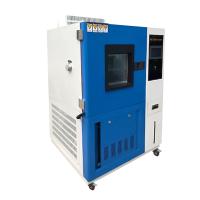
The high-low Temperature Test Chamber can be used to simulate the environment at different temperatures, so it can also be used for the high-low temperature resistance test of the wine cellar.

application
The purpose of high-low temperature resistance tests in the wine cellar is to ensure that the stored wine can maintain stable quality and taste under different temperature environments. High temperatures cause organic substances in wine to decompose, increase acidity, and deteriorate mouthfeel, while low temperatures can affect the taste, aroma, and mouthfeel of wine. Through the high-low temperature resistance test, the performance and stability of the wine cellar under different temperature environments can be determined, so as to better store wine and ensure its quality.
experiment method
The following are the general test steps:
Prepare samples: Before putting the wine to be tested into the test box, it should be packed well so as not to affect the test box.
Place the sample: Put the packaged wine into the high-low Temperature Test Chamber, and be careful not to overfill it so as not to affect the test effect.
Set test conditions: Set the temperature and humidity of the Test Chamber and other parameters according to the required test. In the high-low temperature resistance test of the wine cellar, the temperature is usually set between -5°C and 20°C.
Start the test: Start the high-low Temperature Test Chamber and let it run for a specified time, usually hours or days.
Observe the test results: After the test is completed, take out the wine sample and observe it, and record the changes in the state, quality and taste of the sample.
Through these steps, the storage tolerance and quality performance of wine at different temperatures can be evaluated.

- 1Application and structure principle of low/high Temperature Test Chamber
- 2Principle, application and selection of low/high Temperature Test Chamber for plastic belt
- 3Principle, application and selection of fire-proof coatings low/high Temperature Test Chamber
- 4Principle, application and selection of ultra low/high Temperature Test Chamber
- 5Principle and application of desktop low/high Temperature Test Chamber
- 6Application of FRP low/high Temperature Test Chamber
- 7The working principle and application scenario of non-standard high-low-Temperature Test Chamber
- 8Application of programmable low/high Temperature Test Chamber NBC-CDW-150M in luminaire testing
- 9What are the reasons why the high-low temperature alternating heating and Humidity Chamber cannot be thermostatic?