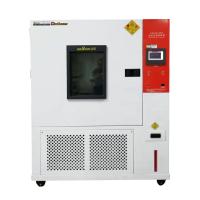
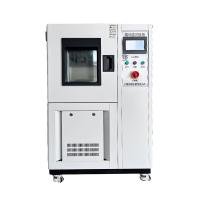
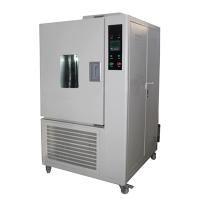
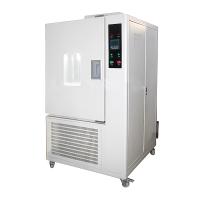
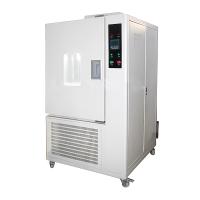
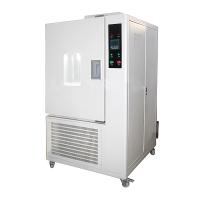
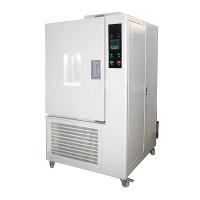
Low/high Temperature Test Chamber for testing Rubber high-low temperature resistance
Rubber products may encounter high or low temperature environments during use, and these environments will affect their performance and life. Therefore, it is very important to carry out high-low temperature resistance tests on rubber products.
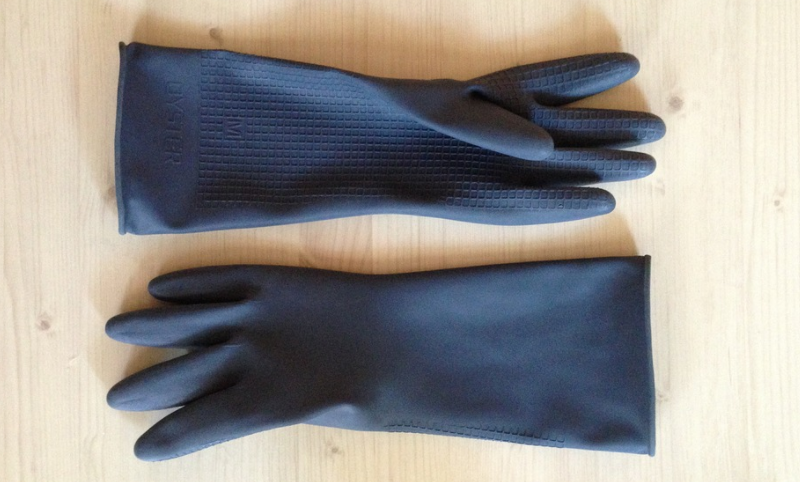
The high-low temperature resistance test can evaluate the physical and chemical properties of rubber products at high or low temperatures, such as strength, hardness, elasticity, wear resistance, oxidation resistance, etc. These properties are closely related to the service life, safety and reliability of rubber products.
In the high-low temperature resistance test, the high-low temperature environment under actual use conditions can be simulated, such as placing it at a high temperature for a period of time, and then testing whether the performance of the rubber product is affected. Through these tests, the service temperature range and durability of rubber products can be determined, so as to ensure that they have good performance and stability in practical applications. At the same time, it can also evaluate the chemical stability of rubber products at different temperatures to avoid performance degradation or material failure due to chemical changes.
experiment procedure
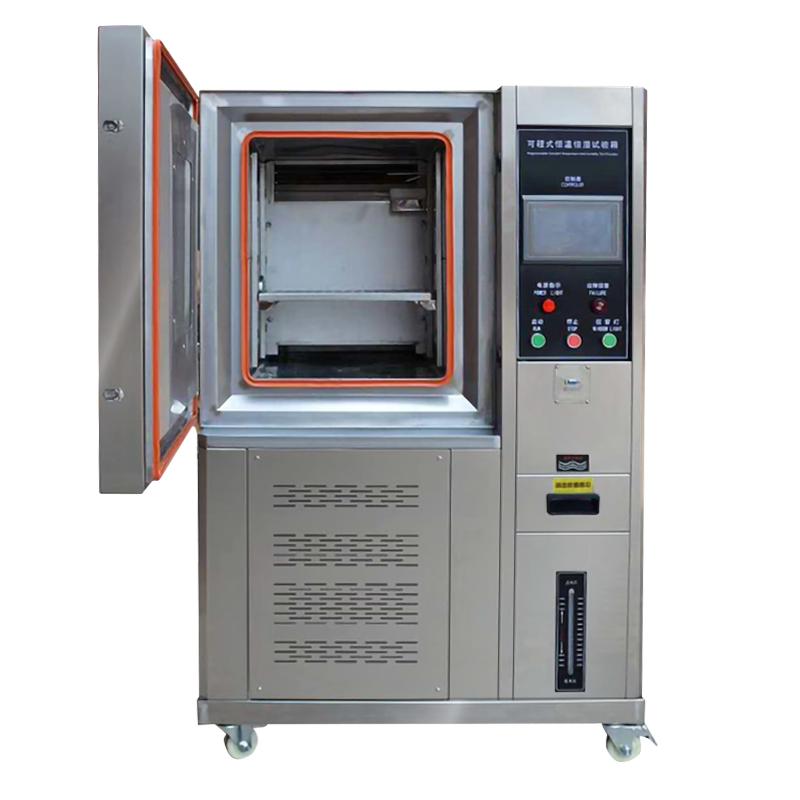
The high-low Temperature Test Chamber can be used to test the durability of rubber products in high-low temperature environments in the high-low temperature resistance test of rubber products. The following are the test steps:
Sample preparation: select a certain number of rubber product samples, and ensure that their dimensions and materials are the same.
Sample Placement: Place the samples in the Test Chamber and make sure there is enough space between the samples for air circulation.
Set test conditions: adjust the temperature of the Test Chamber to the corresponding temperature according to the high-low temperature ranges to be tested.
The test is carried out: after the temperature of the Test Chamber is stabilized, the test is started. Expose the sample to a high or low temperature environment for a certain period of time, and then return the sample to room temperature. Repeat the test several times for reliable results.
Result recording: record the test results of each sample, including cracks, deformation or other damages, etc.
Data analysis: analyze the test results, calculate the high-low temperature resistance performance of rubber products, and compare with the specified standards or requirements.

- 1Application and structure principle of low/high Temperature Test Chamber
- 2Principle, application and selection of low/high Temperature Test Chamber for plastic belt
- 3Principle, application and selection of fire-proof coatings low/high Temperature Test Chamber
- 4Principle, application and selection of ultra low/high Temperature Test Chamber
- 5Principle and application of desktop low/high Temperature Test Chamber
- 6Application of FRP low/high Temperature Test Chamber
- 7The working principle and application scenario of non-standard high-low-Temperature Test Chamber
- 8Application of programmable low/high Temperature Test Chamber NBC-CDW-150M in luminaire testing
- 9What are the reasons why the high-low temperature alternating heating and Humidity Chamber cannot be thermostatic?