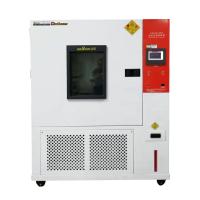
Low/high Temperature Test Chamber for high-low temperature resistance of conductive coatings
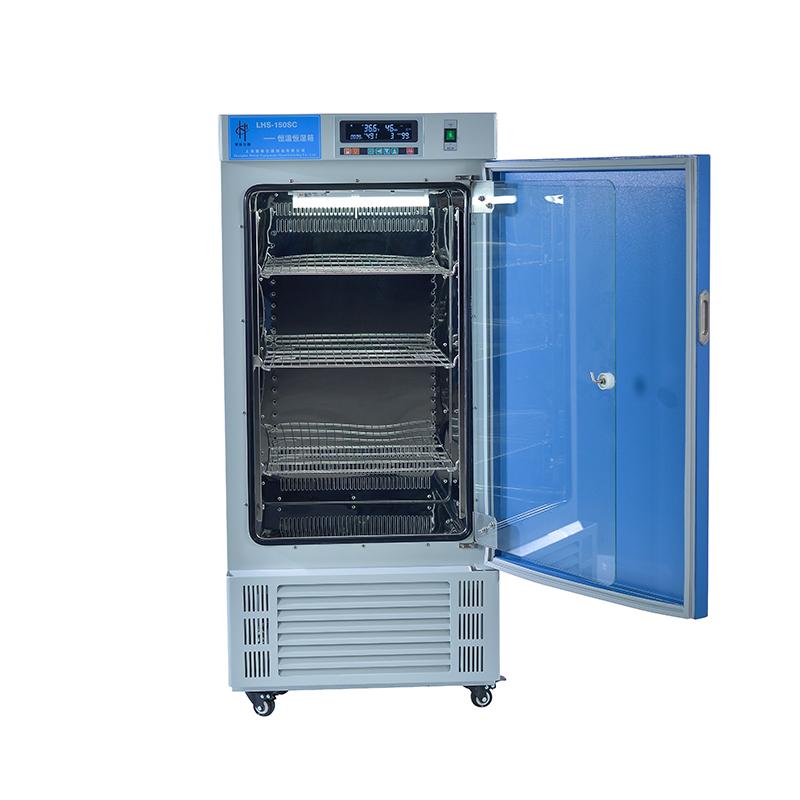
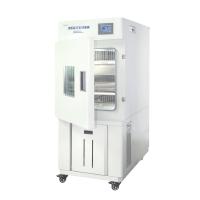
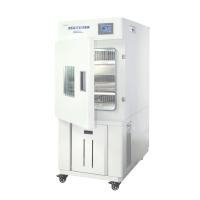
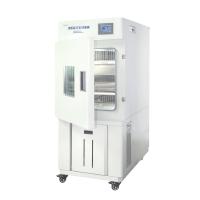
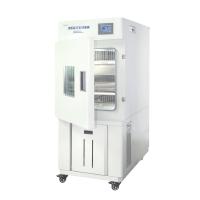
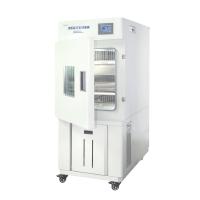
The high-low Temperature Test Chamber can be used to test the durability and stability of conductive coatings in high-low temperature environments.
Conductive coatings are subjected to high-low temperature resistance tests to evaluate their performance and reliability in different temperature environments. Conductive coatings are commonly used in electronics, aerospace, automotive and other fields to provide functions such as electrical conductivity, anti-static and shielding. In these fields, electronic devices, automotive parts, and aerospace equipment often need to operate in high-low temperature environments, and if the conductive coating cannot maintain its performance under these conditions, it may cause problems such as electrical failure, electromagnetic interference, and electrostatic damage , thereby affecting the performance and reliability of the device. By conducting high-low temperature resistance tests, the durability and performance of conductive coatings under different temperature environments can be evaluated, so that suitable coating types and usage scenarios can be selected while ensuring their quality and reliability.
experiment method
The following are the general steps of the high-low temperature resistance test of conductive coatings:
According to the thickness of the coating and the test standard, select the appropriate temperature range and heating/cooling rate.
Apply the conductive coating to the test specimen and wait for the coating to dry.
Put the sample into the high-low Temperature Test Chamber, and conduct the test according to the selected temperature range and heating/cooling rate.
Each temperature point is maintained for a certain period of time, usually ranging from several hours to several days.
After the test, the samples were taken out to check the appearance and performance of the conductive coating. It can be tested and analyzed using equipment such as microscopes and resistance meters.
NBCHAO reminds you: the high-low temperature resistance of conductive coatings is affected by many factors, such as coating material, thickness, substrate, etc., so the appropriate test conditions and parameters should be selected according to the actual situation before the test.
- 1Application and structure principle of low/high Temperature Test Chamber
- 2Principle, application and selection of low/high Temperature Test Chamber for plastic belt
- 3Principle, application and selection of fire-proof coatings low/high Temperature Test Chamber
- 4Principle, application and selection of ultra low/high Temperature Test Chamber
- 5Principle and application of desktop low/high Temperature Test Chamber
- 6Application of FRP low/high Temperature Test Chamber
- 7The working principle and application scenario of non-standard high-low-Temperature Test Chamber
- 8Application of programmable low/high Temperature Test Chamber NBC-CDW-150M in luminaire testing
- 9What are the reasons why the high-low temperature alternating heating and Humidity Chamber cannot be thermostatic?