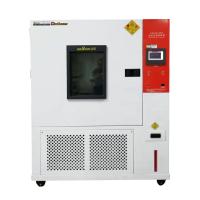
Application of low/high Temperature Test Chamber in high-low temperature resistance test of potting glue
Potting compounds are commonly used in applications such as sealing electronic components, cables, wire connections, etc. to ensure that these components can function properly and are not affected by the external environment. During use, the potting compound may encounter environmental conditions such as high temperature and low temperature, so high-low temperature resistance tests are required.
The high-low temperature resistance test can simulate the high temperature and low temperature in the actual use environment, and detect the performance of the potting compound under these conditions, such as viscosity, hardness, tensile strength, shrinkage, chemical stability, etc., to judge its performance. Whether it meets the design requirements, so as to ensure its reliability and stability.
In addition, the high-low temperature resistance test can also evaluate the temperature adaptability range of potting adhesive materials, helping manufacturers or users to choose more suitable materials to adapt to different environmental conditions, thereby improving product performance and service life.
experiment procedure
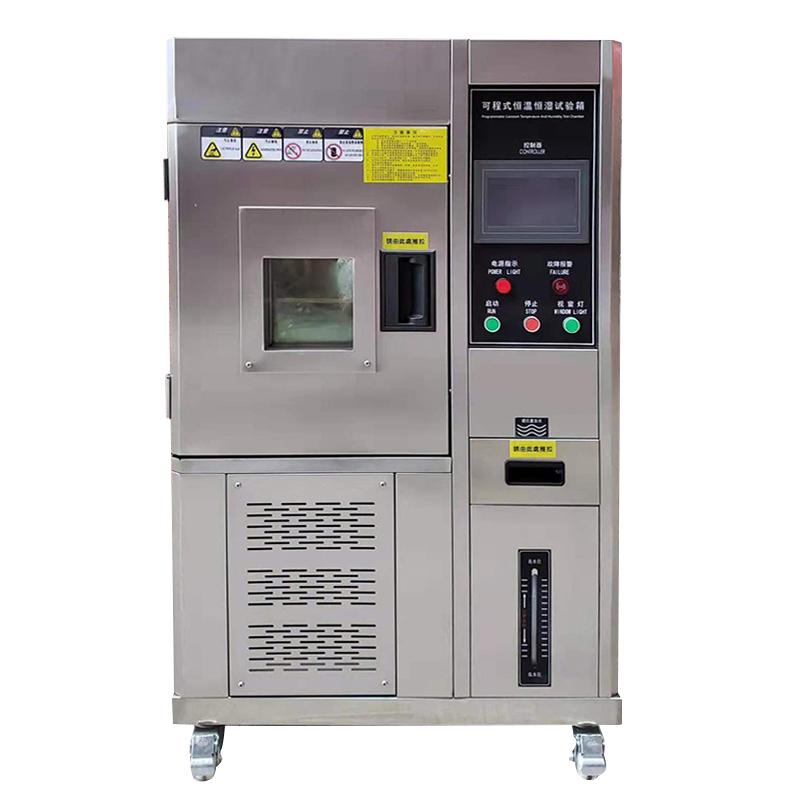
The application of the high-low Temperature Test Chamber in the high-low temperature resistance test of potting glue and the test steps are as follows:
Prepare the sample: apply the potting compound on the surface of the sample and wait for the potting compound to fully cure;
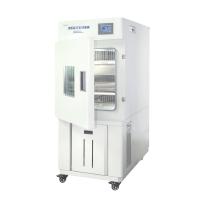
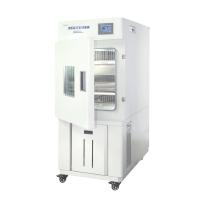
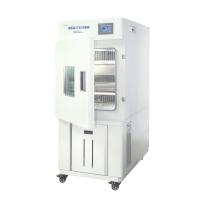
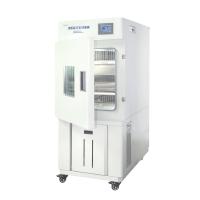
Put the sample into the high-low Temperature Test Chamber, set the test temperature range and temperature change rate;
Keep the sample at high temperature and low temperature for a period of time, such as 2 hours at high temperature and 2 hours at low temperature;
After the test, take out the sample for visual inspection and performance testing, such as checking whether the sample has cracks, peeling, deformation, etc., and testing its tensile strength, hardness and other indicators.
When conducting high-low temperature tests, attention should be paid to factors such as the rate of temperature change and holding time, as well as the location of the sample and the ventilation of the Test Chamber, so as not to cause too much interference to the accuracy and reliability of the test results.
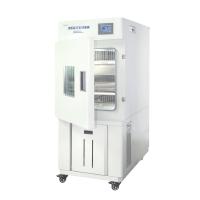
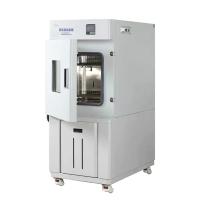
- 1Application and structure principle of low/high Temperature Test Chamber
- 2Principle, application and selection of low/high Temperature Test Chamber for plastic belt
- 3Principle, application and selection of fire-proof coatings low/high Temperature Test Chamber
- 4Principle, application and selection of ultra low/high Temperature Test Chamber
- 5Principle and application of desktop low/high Temperature Test Chamber
- 6Application of FRP low/high Temperature Test Chamber
- 7The working principle and application scenario of non-standard high-low-Temperature Test Chamber
- 8Application of programmable low/high Temperature Test Chamber NBC-CDW-150M in luminaire testing
- 9What are the reasons why the high-low temperature alternating heating and Humidity Chamber cannot be thermostatic?