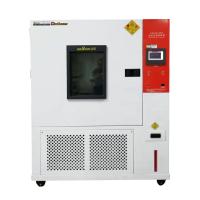
Application of low/high Temperature Test Chamber in high-low temperature resistance test of electrical coatings
The reason why electrical coatings need to be tested for high-low temperature resistance is because electrical appliances will be affected by temperature during use. Too high or too low temperature will affect the performance and life of electrical appliances. Therefore, electrical appliance coatings need to have certain high-low temperature resistance properties to ensure that electrical appliances can work normally under various environmental conditions.
In the high-low temperature resistance test, the electrical coating is usually placed in a certain high or low temperature environment for a certain period of time to test the high-low temperature resistance of the electrical coating. If the electrical appliance coating can maintain good performance and stability in a high or low temperature environment, it means that the coating has good high-low temperature resistance and can be used in the production and manufacture of electrical appliances.

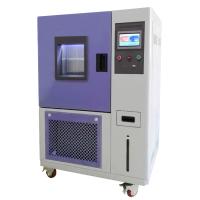
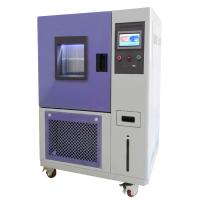
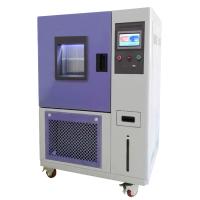
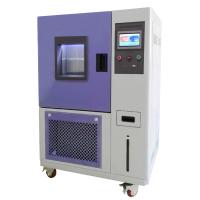
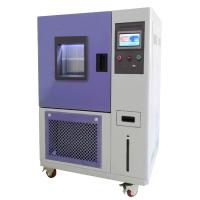
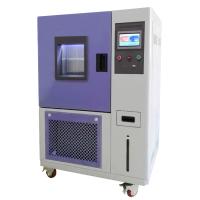
The application of the high-low Temperature Test Chamber in the high-low temperature resistance test of electrical coatings and the test steps are as follows:
application
Electrical coatings are usually used for insulation protection of electronic components. They need to maintain their insulation performance and corrosion resistance in high temperature, low temperature, humidity and other environments. Therefore, high-low temperature tests are required to evaluate their performance.
experiment procedure
Preparation of samples: Take a certain number of coating samples from production to ensure that the samples are the same.
Sample pretreatment: According to the requirements of the sample, carry out treatment, such as drying, washing with water, cleaning with solvents, etc.
Put the sample in the high-low Temperature Test Chamber: put the sample in the Test Chamber, and then set the temperature of the Test Chamber at a certain high or low temperature environment according to the requirements, and keep it for a period of time.
Take out the sample: After keeping the high-low temperature environment for a certain period of time, take out the sample for inspection, such as visual inspection, electrical insulation strength test, corrosion resistance test, etc.
Record the results: According to the test results, record the performance of the sample under high-low temperature conditions, and evaluate whether the sample meets the requirements.
Precautions:
According to the different requirements of the coating, the time and temperature range of high-low temperature need to be set according to the requirements during the test.
Before the test, the Test Chamber should be calibrated to ensure the temperature accuracy and stability in the Test Chamber.
It should be noted that different types of coatings have different performances in high-low temperature environments. When testing, it is necessary to formulate a suitable test plan according to the characteristics of the coating.
- 1Application and structure principle of low/high Temperature Test Chamber
- 2Principle, application and selection of low/high Temperature Test Chamber for plastic belt
- 3Principle, application and selection of fire-proof coatings low/high Temperature Test Chamber
- 4Principle, application and selection of ultra low/high Temperature Test Chamber
- 5Principle and application of desktop low/high Temperature Test Chamber
- 6Application of FRP low/high Temperature Test Chamber
- 7The working principle and application scenario of non-standard high-low-Temperature Test Chamber
- 8Application of programmable low/high Temperature Test Chamber NBC-CDW-150M in luminaire testing
- 9What are the reasons why the high-low temperature alternating heating and Humidity Chamber cannot be thermostatic?