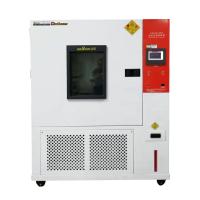
Application of low/high Temperature Test Chamber in high-low temperature resistance test of automobile chassis
The car chassis is an important part of the car, mainly bearing the weight of the car, but also needs to bear the shock and vibration forces under various road conditions. During the operation of the car, the chassis often needs to withstand the influence of high temperature, low temperature, humidity and other harsh environments, so high-low temperature resistance tests are required.
First of all, under high temperature environment, the chassis material is prone to softening, deformation, aging and other phenomena, which will affect the performance and structure of the chassis. For example, the chassis material may become more fragile and vulnerable. In a low temperature environment, the chassis material is easy to become brittle and fragile, which affects the reliability and safety of the chassis.
By conducting high-low temperature resistance tests, the performance and characteristics of chassis materials can be evaluated in different temperature environments, so as to determine their use conditions and limitations in practical applications. At the same time, these tests can also detect the quality and reliability of chassis materials, ensure that chassis products can meet relevant standards and requirements, and improve their market competitiveness.
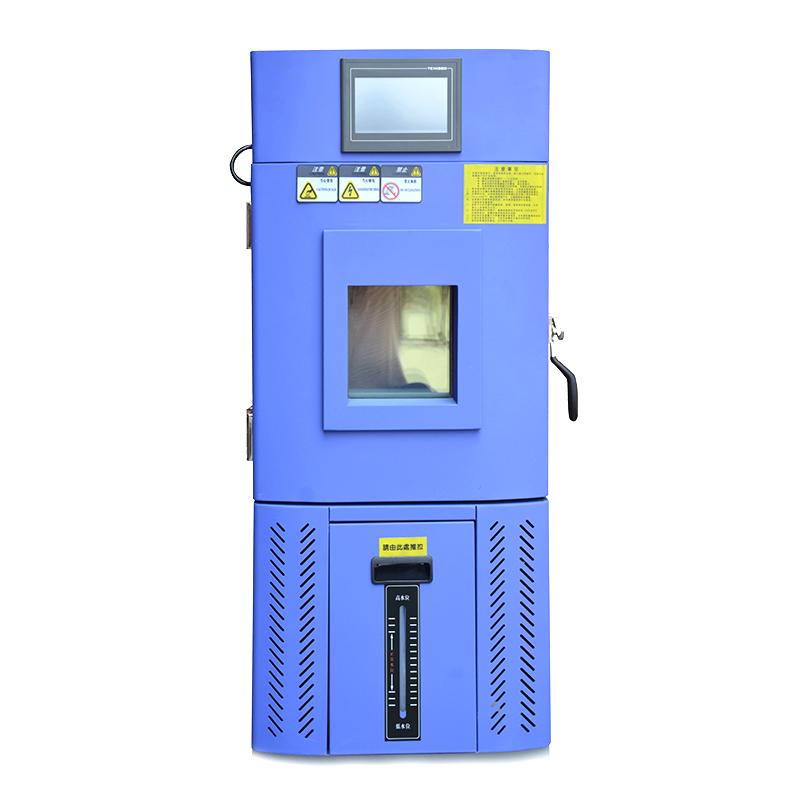
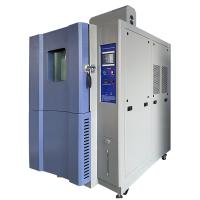
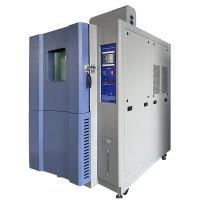
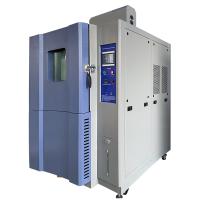
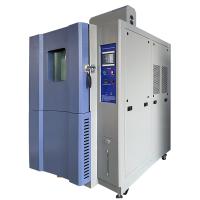
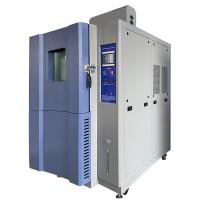
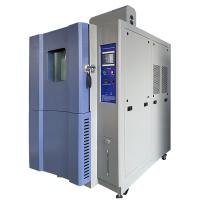
The high-low Temperature Test Chamber can simulate various ambient temperatures and test the stability and reliability of chassis components at different temperatures to ensure the normal operation of the car in various extreme environments.
experiment procedure
Prepare test samples: Prepare the chassis parts of the car to be tested.
Put the test sample into the high-low Temperature Test Chamber: put the test sample into the high-low Temperature Test Chamber, and set the temperature parameters as required.
Set temperature parameters: set the temperature parameters of the high-low Temperature Test Chamber, including high temperature, low temperature and temperature change rate, etc.
Test: The high-low Temperature Test Chamber starts to test according to the preset temperature parameters to detect the performance and reliability of chassis components at different temperatures, such as: bearing capacity, fatigue performance, vibration resistance, etc.
Result analysis: According to the analysis of test results, judge whether the performance and reliability of chassis components meet the requirements at different temperatures.
Optimization and improvement: If the test results do not meet the requirements, it is necessary to optimize and improve the chassis components and re-test until they meet the requirements.

- 1Application and structure principle of low/high Temperature Test Chamber
- 2Principle, application and selection of low/high Temperature Test Chamber for plastic belt
- 3Principle, application and selection of fire-proof coatings low/high Temperature Test Chamber
- 4Principle, application and selection of ultra low/high Temperature Test Chamber
- 5Principle and application of desktop low/high Temperature Test Chamber
- 6Application of FRP low/high Temperature Test Chamber
- 7The working principle and application scenario of non-standard high-low-Temperature Test Chamber
- 8Application of programmable low/high Temperature Test Chamber NBC-CDW-150M in luminaire testing
- 9What are the reasons why the high-low temperature alternating heating and Humidity Chamber cannot be thermostatic?