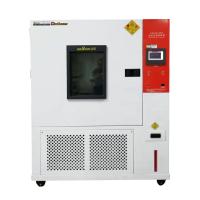
Wooden ground floor high-low temperature test application scheme
In actual use, wooden flooring will be affected by different temperature environments, such as high temperature in summer, low temperature in winter, heating, etc., and different temperature environments will cause changes in the material and structure of wooden flooring, thereby affecting its performance and stability. Therefore, the high-low temperature resistance test of wooden flooring can help manufacturers and users evaluate the durability and performance of wooden flooring in different temperature environments, thereby improving the quality and reliability of wooden flooring. At the same time, these tests can also provide manufacturers with information on how to improve and optimize product design and manufacturing processes.
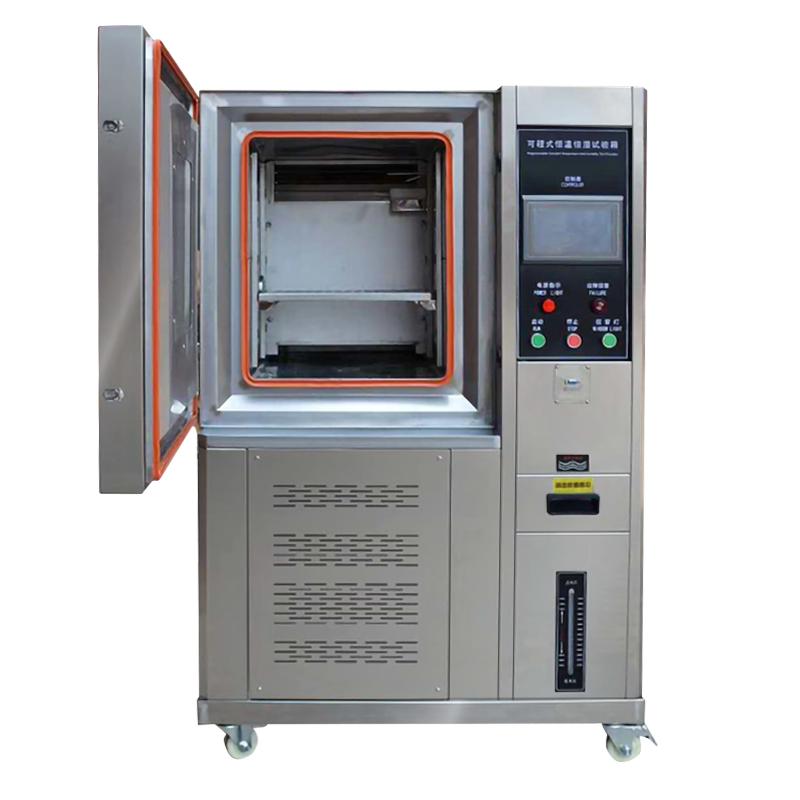
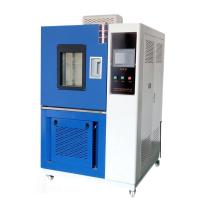
The high-low Temperature Test Chamber can be used for the high-low temperature resistance test of wooden floors. The following are the general test steps:
Sample preparation: A certain number of samples are randomly selected from the production line, cut and processed according to the test standard to ensure that all samples have the same size and surface state.
Stable temperature: put the sample into the high-low Temperature Test Chamber, and adjust the temperature to the constant temperature specified in the test standard. Allow the sample to stabilize at this temperature for a period of time until the temperature stabilizes.
Low temperature cooling: adjust the temperature of the high-low Temperature Test Chamber to the required low temperature, and keep it at this temperature for a period of time. Typically, the low temperature is -20°C, -30°C or lower.
High temperature heating: adjust the temperature of the high-low Temperature Test Chamber to the required high temperature, and keep it at this temperature for a period of time. Typically, the high temperature is 50°C, 60°C, 70°C or higher.
Cycle test: Repeat the low temperature cooling and high temperature heating steps until the number of cycles specified in the test standard is reached.
Inspection: Take the sample out of the high-low Temperature Test Chamber for visual inspection and performance test to judge whether its high-low temperature resistance performance meets the requirements.
In the high-low temperature resistance test of wooden floor, extreme temperature conditions can be simulated by high-low Temperature Test Chamber, and the physical performance changes of wooden floor under high temperature and low temperature conditions can be detected. Through this test, performance indicators such as heat resistance, frost resistance, and expansion coefficient of wooden flooring can be known, and it can provide reference for product design and production.




- 1What are the reasons why the high-low temperature alternating heating and Humidity Chamber cannot be thermostatic?
- 2What are the requirements for the installation site of the low/high Temperature Test Chamber?
- 3How to distinguish between low/high Temperature Test Chamber and heat & cold shock chamber
- 4High-low temperature test box FAQ and its solutions
- 5Thermal Shock Test Chamber FAQ and calibration method
- 6High-low temperature box FAQ and calibration method
- 7Humidity chamber FAQ and correct calibration method
- 8Application of Humidity Chamber in Polymer and composite industry
- 9Application of Humidity Chamber in Photovoltaic industry