Application of low/high Temperature Test Chamber in high-low temperature resistance performance detection of magnetic materials
Magnetic materials are widely used in electronics, electrical, medical, aerospace and other fields, and the requirements for their high-low temperature resistance are also very high. In actual use, magnetic materials often need to work in extreme temperature environments, such as high-temperature heat treatment, low-temperature superconductivity, etc.
The high-low temperature resistance test of magnetic materials can evaluate its magnetic properties, magnetization curves, thermal stability and other characteristics at different temperatures. These tests can help manufacturers determine the operating temperature range of magnetic materials, predict their performance in extreme temperature environments, and provide reference for R&D and manufacturing. At the same time, the high-low temperature resistance test of magnetic materials can also provide customers with suggestions and guidance on the selection and use of magnetic materials.
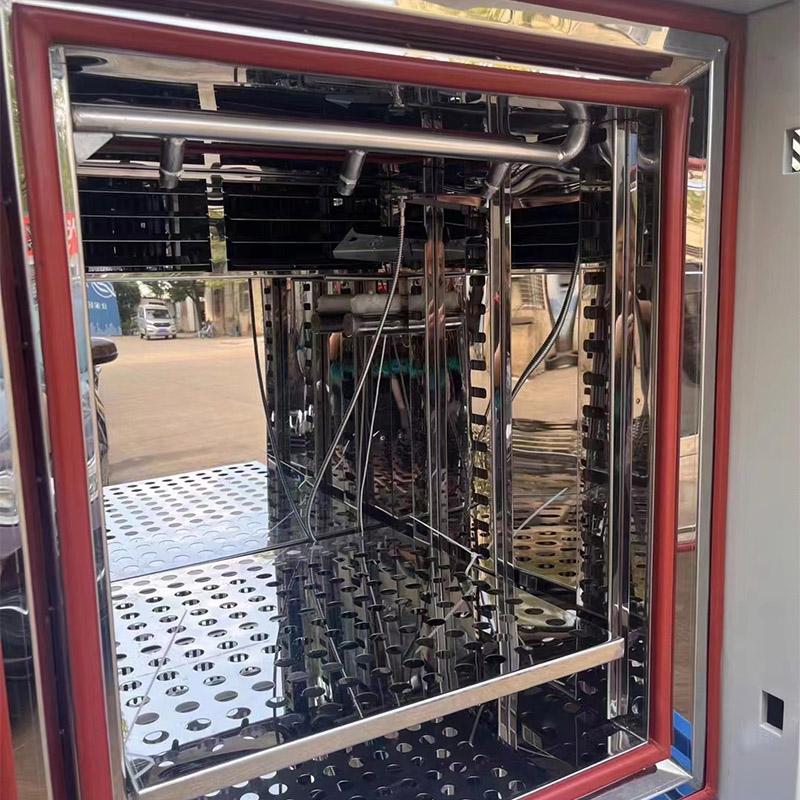
The high-low Temperature Test Chamber can be used to test the high-low temperature resistance of magnetic materials. Generally speaking, the performance of magnetic materials changes with the increase or decrease of temperature, so it needs to be tested under high-low temperature conditions to determine its reliability and stability.
The test steps are as follows:
Sample preparation: Samples of magnetic material are taken from production, marked and recorded according to standard regulations.
Place the sample: place the sample in the high-low Temperature Test Chamber, and set the temperature and time parameters according to the standard.
Heating/cooling: Start the high-low Temperature Test Chamber, raise or lower the temperature to the required test temperature, and keep it for a certain period of time.
Cooling/warming: After the test, return the temperature of the high-low Temperature Test Chamber to room temperature, and wait for the temperature of the sample to drop to room temperature.
Testing performance: Take out the sample and perform performance testing, such as magnetic properties, magnetization curve, coercive force, etc.
Result analysis: Carry out data analysis and processing according to the test results, and compare with the requirements stipulated in the standard to evaluate whether the high-low temperature resistance performance of the magnetic material meets the requirements.
NBCHAO reminds you: When conducting high-low temperature resistance tests of magnetic materials, an appropriate temperature range and heating/cooling rate should be selected according to actual needs, so as not to cause too much interference to the accuracy and reliability of the test results.


- 1Application and structure principle of low/high Temperature Test Chamber
- 2Principle, application and selection of low/high Temperature Test Chamber for plastic belt
- 3Principle, application and selection of fire-proof coatings low/high Temperature Test Chamber
- 4Principle, application and selection of ultra low/high Temperature Test Chamber
- 5Principle and application of desktop low/high Temperature Test Chamber
- 6Application of FRP low/high Temperature Test Chamber
- 7The working principle and application scenario of non-standard high-low-Temperature Test Chamber
- 8Application of programmable low/high Temperature Test Chamber NBC-CDW-150M in luminaire testing
- 9What are the reasons why the high-low temperature alternating heating and Humidity Chamber cannot be thermostatic?