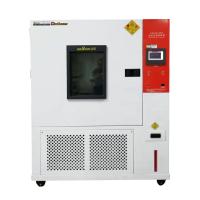
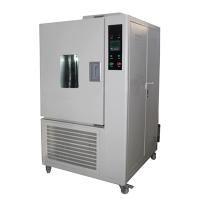
Low/high Temperature Test Chamber Testing steel plate high-low temperature performance
Steel plates may change under different temperature environments, such as embrittlement, deformation, fracture, etc., so high-low temperature tests are required to test their resistance. In high temperature environments, steel plates may lose their strength and toughness, while in low temperature environments, steel plates may become brittle. Through the high-low temperature resistance test, the reliability and performance of the steel plate under different temperature conditions can be determined, so as to ensure its stability and durability in practical applications.
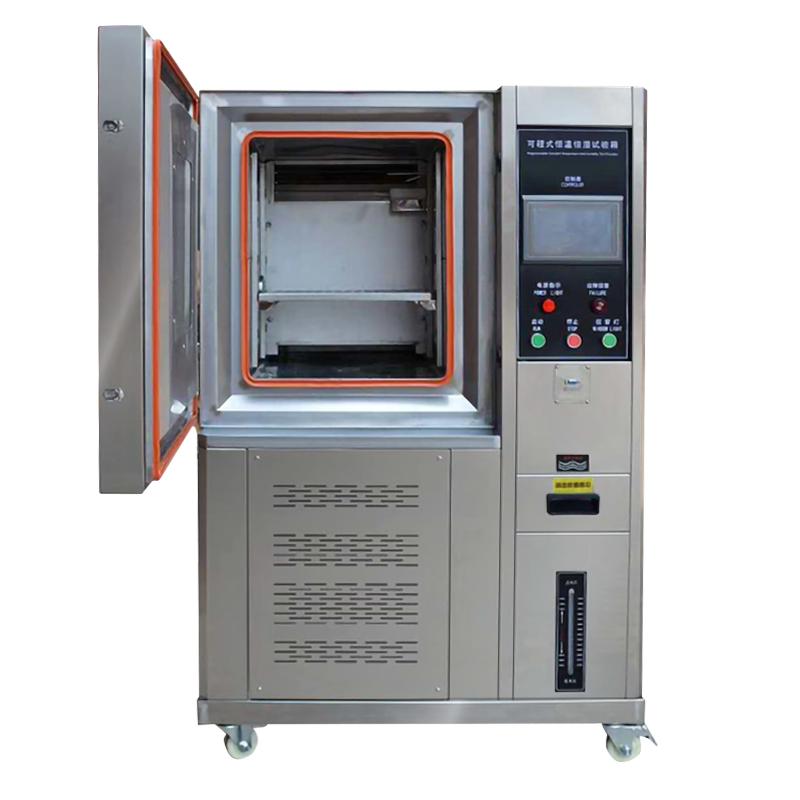
experiment procedure
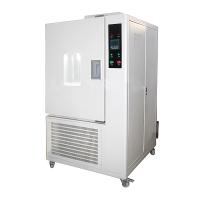
The high-low Temperature Test Chamber can be used for high-low temperature resistance tests of steel plates. The general test procedure is as follows:
Sample preparation: Cut the steel plate sample to be tested into the specified size, check and record its size, surface quality and other parameters, and mark the sample number.
Place the samples: place all the samples to be tested in the high-low Temperature Test Chamber, and set the temperature range and holding time as required. Make sure that all samples are placed relatively evenly.
Test program setting: set the program of the high-low Temperature Test Chamber according to the needs, including heating, cooling and holding time. After the program is set, perform a program test to ensure the normal operation of the Test Chamber.
Start the test: start the high-low Temperature Test Chamber and start the test. During the high-low temperature cycle test, record and monitor the temperature change of the steel plate, especially when the steel plate reaches low temperature or high temperature, record whether there is deformation, shedding, blistering and other phenomena on the surface of the steel plate.
Check the results: After the test is completed, check the status and parameters of all samples, and compare the differences between different samples. Analyze the test results, draw conclusions and record them.


- 1Application and structure principle of low/high Temperature Test Chamber
- 2Principle, application and selection of low/high Temperature Test Chamber for plastic belt
- 3Principle, application and selection of fire-proof coatings low/high Temperature Test Chamber
- 4Principle, application and selection of ultra low/high Temperature Test Chamber
- 5Principle and application of desktop low/high Temperature Test Chamber
- 6Application of FRP low/high Temperature Test Chamber
- 7The working principle and application scenario of non-standard high-low-Temperature Test Chamber
- 8Application of programmable low/high Temperature Test Chamber NBC-CDW-150M in luminaire testing
- 9What are the reasons why the high-low temperature alternating heating and Humidity Chamber cannot be thermostatic?