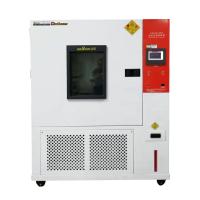
Application of low/high Temperature Test Chamber in high-low temperature resistance test of printing circuit board
The printed circuit board is an electronic component, which needs to withstand the influence of various temperature environments in actual use. For example, at high temperature, the printed circuit board may be deformed, burned, open circuit or short circuit and other failures; at low temperature, the printed circuit board electrical performance may degrade or fail. Therefore, high-low temperature resistance tests can evaluate the stability and reliability of printed circuit boards at different temperatures, so as to ensure that they can operate normally and maintain good electrical properties in various temperature environments.
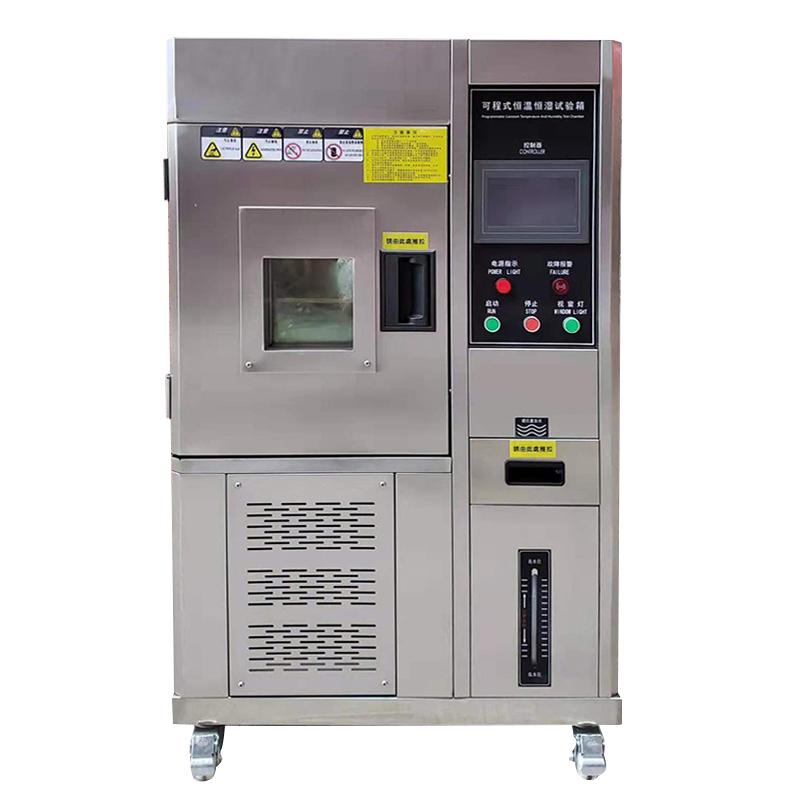
experiment procedure
Prepare test samples: select a suitable PCB sample and perform necessary pretreatments, such as cleaning and drying.
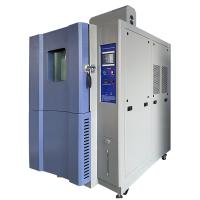
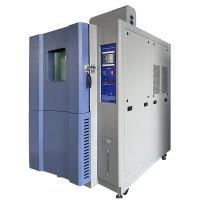
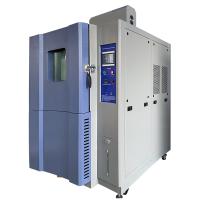
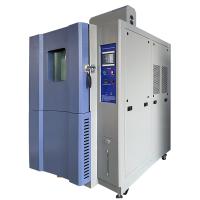
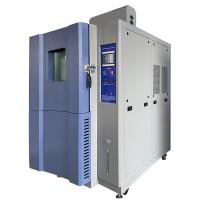
Set up the high-low Temperature Test Chamber: set the temperature range and lifting rate of the high-low temperature chamber according to the test requirements, and preheat the Test Chamber to the test temperature.
Put the sample into the test box: Put the processed PCB sample into the test box, pay attention to the position and placement of the sample should meet the test standards.
Carry out high-low temperature cycle test: Carry out high-low temperature cycle test according to the test standard, including heating, heat preservation, cooling and other links.
Perform performance evaluation: After the test, perform performance evaluation on the sample, such as electrical characteristic test, structural damage evaluation, etc., to evaluate the stability and reliability of the sample in extreme temperature environments.
Precautions
The selection and processing of samples shall comply with the requirements of the test standards.
Parameters such as the temperature range and lifting rate of the Test Chamber should meet the requirements of the test standard.
Care should be taken to protect the sample during the test to avoid mechanical damage and other pollutants.
The location of the sample should comply with the test standard to ensure the reliability of the test results.

- 1Application and structure principle of low/high Temperature Test Chamber
- 2Principle, application and selection of low/high Temperature Test Chamber for plastic belt
- 3Principle, application and selection of fire-proof coatings low/high Temperature Test Chamber
- 4Principle, application and selection of ultra low/high Temperature Test Chamber
- 5Principle and application of desktop low/high Temperature Test Chamber
- 6Application of FRP low/high Temperature Test Chamber
- 7The working principle and application scenario of non-standard high-low-Temperature Test Chamber
- 8Application of programmable low/high Temperature Test Chamber NBC-CDW-150M in luminaire testing
- 9What are the reasons why the high-low temperature alternating heating and Humidity Chamber cannot be thermostatic?