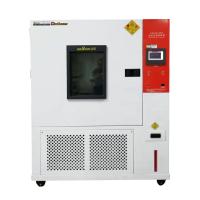
Application of low/high Temperature Test Chamber in high-low temperature resistance test of radiator
The radiator may have various problems under different temperature environments, such as reduced heat dissipation, deformation, damage, etc. Therefore, high-low temperature tests are required to test its tolerance. In a high temperature environment, the heat sink may have problems such as poor heat dissipation, while in a low temperature environment, the heat sink may become more fragile, easily cracked or damaged. Through the high-low temperature resistance test, the reliability and performance of the radiator under different temperature conditions can be determined, so as to ensure its stability and durability in practical applications.
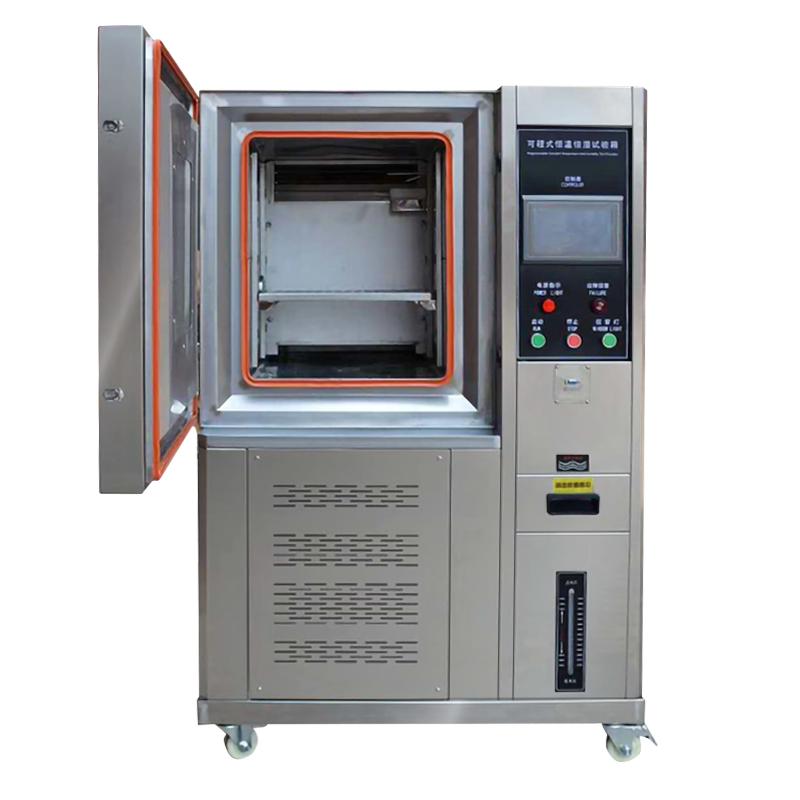
experiment procedure
Preparation: Prepare the radiator and related test equipment that need to be tested.
Installation: Install the radiator on the test bench and connect it with the test equipment.
Set test parameters: set the temperature range of the test box, temperature change rate and other parameters according to the test requirements.
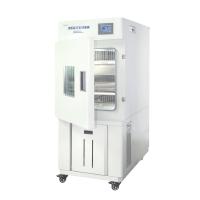
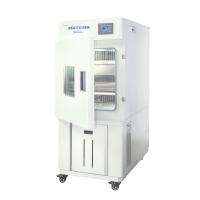
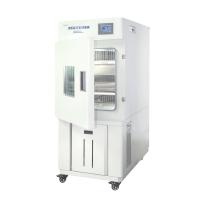
Start the test: put the radiator into the high-low Temperature Test Chamber, and test according to the set test parameters.
Observation record: Observe the performance of the radiator at different temperatures, such as whether there is deformation, crack, corrosion, etc., and record it.
End the test: After the test time is over, take the radiator out of the high-low Temperature Test Chamber, conduct visual inspection and performance test, and evaluate its reliability and life according to the test results.
Conducting high-low temperature tests through the above steps can help radiator manufacturers and users understand their durability and reliability under different environmental conditions, and provide reference for product development and improvement.
- 1Application and structure principle of low/high Temperature Test Chamber
- 2Principle, application and selection of low/high Temperature Test Chamber for plastic belt
- 3Principle, application and selection of fire-proof coatings low/high Temperature Test Chamber
- 4Principle, application and selection of ultra low/high Temperature Test Chamber
- 5Principle and application of desktop low/high Temperature Test Chamber
- 6Application of FRP low/high Temperature Test Chamber
- 7The working principle and application scenario of non-standard high-low-Temperature Test Chamber
- 8Application of programmable low/high Temperature Test Chamber NBC-CDW-150M in luminaire testing
- 9What are the reasons why the high-low temperature alternating heating and Humidity Chamber cannot be thermostatic?