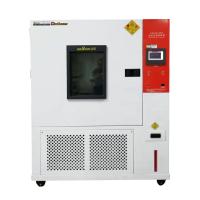
Low/high Temperature Test Chamber for high-low temperature resistance test of electron tubes
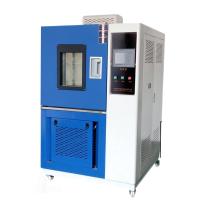
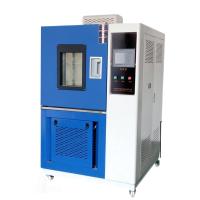
The high-low Temperature Test Chamber can be used for high-low temperature resistance tests of electronic tubes. A vacuum tube is an electronic device typically used to amplify, condition, or switch electrical signals. In the high-low temperature test, by placing the electronic tube in a high temperature or low temperature environment, the high-low temperature resistance of the electronic tube can be tested, as well as its performance changes at different temperatures.

experiment method
The following are the test steps of the electron tube in the high-low Temperature Test Chamber:
Preparations: Place the electron tube in a high-low Temperature Test Chamber, and set the test temperature range as required.
Preheating: Before starting the test, preheat the tube at room temperature for a period of time, usually about 30 minutes to 1 hour. The warm-up time should be determined according to the specifications and test requirements of the electronic tube.
High temperature test: set the temperature to a high temperature condition, generally above 100°C, determine the high temperature condition according to the specifications and test requirements, and keep it for a period of time, usually 2 to 4 hours. During the high temperature test, the performance indicators and parameters of the electron tube should be recorded, such as distortion, noise, etc.
Restore: return the temperature to room temperature, and wait for a period of time at room temperature, so that the electronic tube can return to normal working condition.
Low temperature test: set the temperature to a low temperature condition, generally below -40°C, determine the low temperature condition according to the specifications and test requirements, and keep it for a period of time, usually 2 to 4 hours. During the low temperature test, the performance indicators and parameters of the electron tube should be recorded, such as output power, frequency, etc.
Repeat the test: as needed, the above steps can be repeated to further test the performance of the electronic tube.
End of test: At the end of the test, the tube should be removed and inspected for appearance and performance. At the same time, test results and data should be recorded for subsequent analysis and evaluation.
NBCHAO reminds you: the use of high-low Temperature Test Chambers needs to be carried out in strict accordance with the operation manual and safety regulations to ensure the accuracy and safety of the test.




- 1Application and structure principle of low/high Temperature Test Chamber
- 2Principle, application and selection of low/high Temperature Test Chamber for plastic belt
- 3Principle, application and selection of fire-proof coatings low/high Temperature Test Chamber
- 4Principle, application and selection of ultra low/high Temperature Test Chamber
- 5Principle and application of desktop low/high Temperature Test Chamber
- 6Application of FRP low/high Temperature Test Chamber
- 7The working principle and application scenario of non-standard high-low-Temperature Test Chamber
- 8Application of programmable low/high Temperature Test Chamber NBC-CDW-150M in luminaire testing
- 9What are the reasons why the high-low temperature alternating heating and Humidity Chamber cannot be thermostatic?