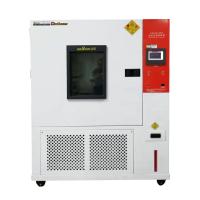
Application of low/high Temperature Test Chamber in resistance high-low temperature test
A resistor is a component used to limit the flow of electric current and may be exposed to different temperature conditions during use. Therefore, high-low temperature resistance tests are required to evaluate its performance and reliability at different temperatures. The high temperature test can verify the thermal stability, temperature coefficient and power dissipation capability of the resistor, while the low temperature test can evaluate its resistance performance and resistance value change in a low temperature environment. Through these tests, the applicability and limitations of resistors at different temperatures can be determined, providing guidance and assurance for their actual use.
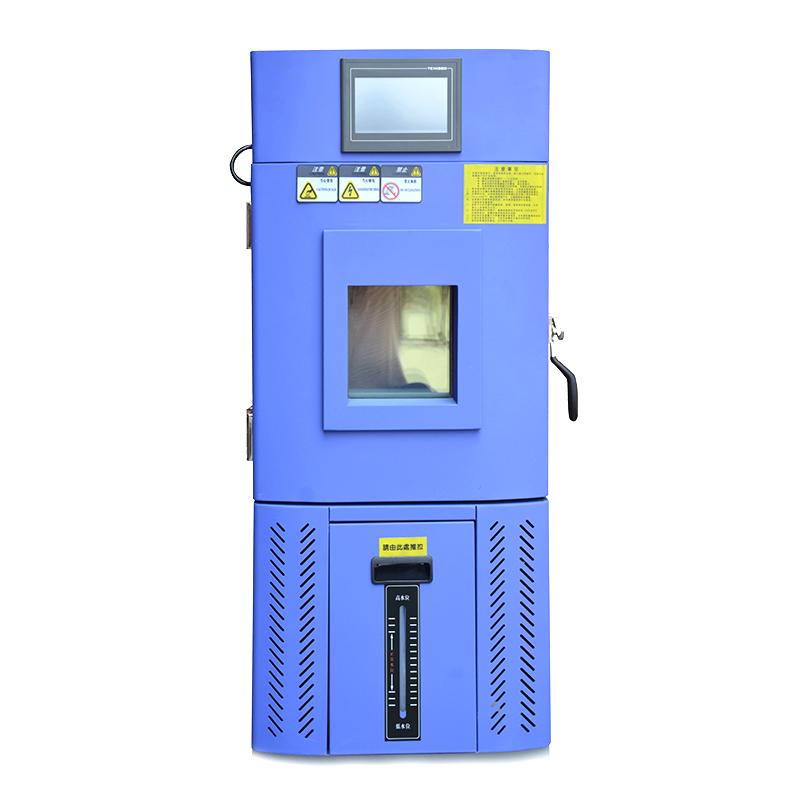
experiment method
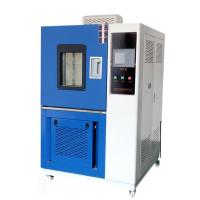
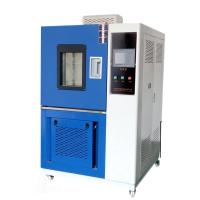
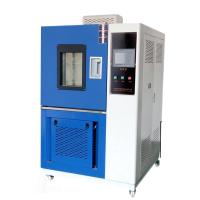
The application of the high-low Temperature Test Chamber in the high-low temperature resistance test of resistance is used to simulate the performance of resistance at different temperatures to evaluate its reliability and stability under different environmental conditions. The following are the general steps of the high-low Temperature Test Chamber in the resistance high-low temperature test:
Prepare samples: Select a resistor sample that meets the test standard and record its initial value.
Place the samples in the high-low Temperature Test Chamber: Place the resistor samples in the high-low Temperature Test Chamber, close the door, and make sure they are properly positioned in the chamber.
Set test conditions: According to test standards and requirements, set test conditions, such as temperature range, heating/cooling rate, holding time and other parameters.
Start the test: Start the high-low Temperature Test Chamber to start the test process until the test end condition is reached.
Record data: During the test, record the resistance value and temperature value of the resistor, as well as any abnormal conditions during the test.
End the test: when the test is over, close the high-low Temperature Test Chamber, take out the sample, and record the resistance value at the end of the test.
Analyze data: analyze test results, compare the resistance changes of samples at different temperatures, and evaluate their reliability and stability under different environmental conditions.
Beichao reminds you: the specific test steps and conditions may vary due to different test standards and samples, so before testing, you should understand the relevant test standards and requirements in detail, and test in strict accordance with the requirements.


- 1Application and structure principle of low/high Temperature Test Chamber
- 2Principle, application and selection of low/high Temperature Test Chamber for plastic belt
- 3Principle, application and selection of fire-proof coatings low/high Temperature Test Chamber
- 4Principle, application and selection of ultra low/high Temperature Test Chamber
- 5Principle and application of desktop low/high Temperature Test Chamber
- 6Application of FRP low/high Temperature Test Chamber
- 7The working principle and application scenario of non-standard high-low-Temperature Test Chamber
- 8Application of programmable low/high Temperature Test Chamber NBC-CDW-150M in luminaire testing
- 9What are the reasons why the high-low temperature alternating heating and Humidity Chamber cannot be thermostatic?