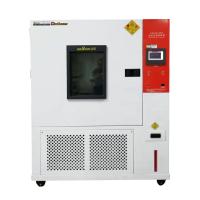
Low/high Temperature Test Chamber in semiconductor discrete devices
Semiconductor discrete devices may have various problems under different temperature environments, such as parameter drift, breakdown voltage reduction, leakage current increase, etc. Therefore, high-low temperature tests are required to test their tolerance. In a high temperature environment, semiconductor discrete devices may experience problems such as increased leakage current, while in a low temperature environment, their breakdown voltage may decrease. By conducting high-low temperature resistance tests, the reliability and performance of semiconductor discrete devices under different temperature conditions can be determined, thereby ensuring their stability and durability in practical applications.

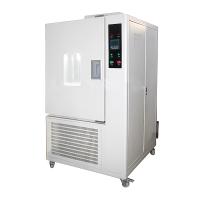
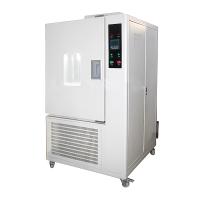
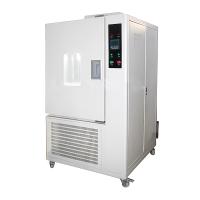
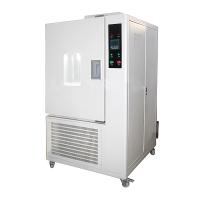
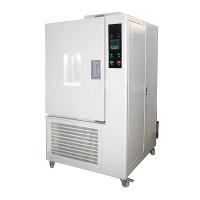
The high-low Temperature Test Chamber has an important application in the high-low temperature resistance test of semiconductor discrete devices, and can test the performance and reliability of devices in high-low temperature environments. The following are the general test steps:
Prepare the semiconductor discrete devices to be tested and the required testing instruments according to the test requirements.
Install the device under test into the test fixture, making sure the connections are correct.
Place the test fixture in the high-low Temperature Test Chamber, and set the temperature and temperature change rate according to the test requirements.
Wait for the high-low Temperature Test Chamber to reach the set temperature stable state, and start recording test data.
During the test, observe whether the device is abnormal, such as leakage, short circuit, etc. At the same time, the electrical performance parameters of the device are recorded, such as resistance, capacitance, reverse leakage current, etc.
When the temperature reaches the maximum or minimum temperature required by the end of the test, stop the test and wait for the temperature of the test fixture to return to room temperature.
Process and analyze the test data to judge whether the device meets the test requirements.
Beichao reminds you: During the high-low temperature resistance test of semiconductor discrete devices, a reasonable test temperature and temperature change rate should be set according to the characteristics of the device and the use environment to ensure the accuracy and reliability of the test results.

- 1Application and structure principle of low/high Temperature Test Chamber
- 2Principle, application and selection of low/high Temperature Test Chamber for plastic belt
- 3Principle, application and selection of fire-proof coatings low/high Temperature Test Chamber
- 4Principle, application and selection of ultra low/high Temperature Test Chamber
- 5Principle and application of desktop low/high Temperature Test Chamber
- 6Application of FRP low/high Temperature Test Chamber
- 7The working principle and application scenario of non-standard high-low-Temperature Test Chamber
- 8Application of programmable low/high Temperature Test Chamber NBC-CDW-150M in luminaire testing
- 9What are the reasons why the high-low temperature alternating heating and Humidity Chamber cannot be thermostatic?