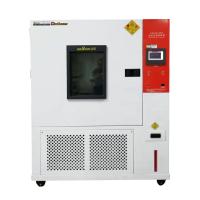
Application of low/high Temperature Test Chamber in microelectronics
Microelectronics is a highly integrated electronic component that may encounter different temperature conditions during use, such as high temperature, low temperature, thermal cycle, etc. Therefore, high-low temperature resistance tests are required to evaluate its performance and reliability under different temperature conditions. High-temperature testing can examine thermal stability, power consumption, timing, and failure mechanisms of microelectronics, while low-temperature testing can evaluate power consumption, timing, and reliability in low-temperature environments. Through these tests, the applicability and limitations of microelectronics at different temperatures can be determined, providing guidance and assurance for their practical use. At the same time, the high-low temperature resistance test can also help microelectronics manufacturers optimize the manufacturing process and improve product quality and reliability.
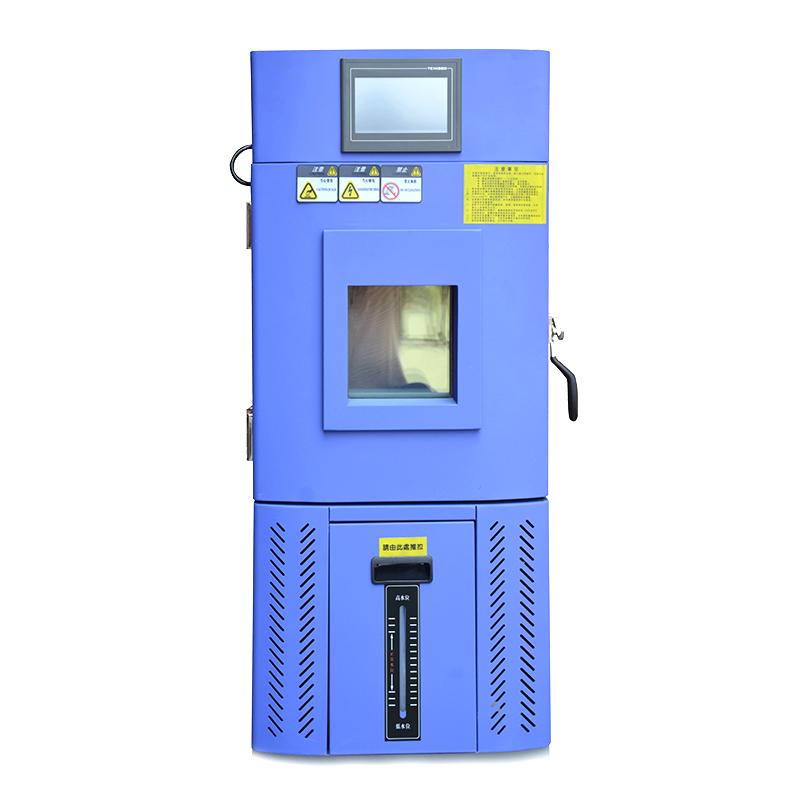
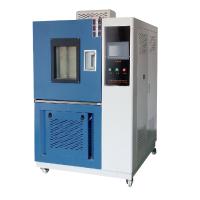
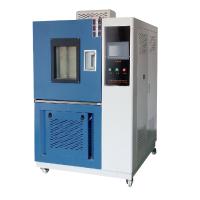
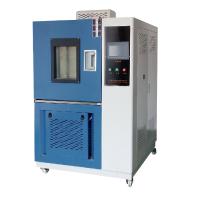
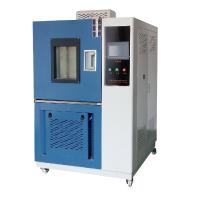
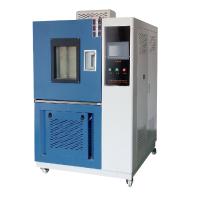
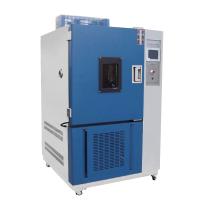
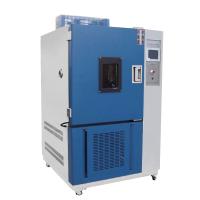
The high-low Temperature Test Chamber plays an important role in the high-low temperature resistance test of microelectronics. By simulating the temperature change and temperature gradient in the actual working environment, the performance and reliability of microelectronic devices are tested. The following is the application and test steps of the high-low Temperature Test Chamber in the high-low temperature resistance test of microelectronics:
application
Test the reliability and performance of chips and integrated circuits.
Simulate the operation of microelectronic devices at different temperatures to evaluate their stability.
Test the temperature characteristics of semiconductor materials and devices.
Evaluate the lifetime and reliability of microelectronic devices at different temperatures.
Test the effect of temperature changes on microelectronic devices on their electrical performance.
experiment procedure
Set the temperature range and temperature change rate of the high-low Temperature Test Chamber according to the test requirements.
The microelectronic device is placed in the chamber and connected to the test equipment.
Heat the Test Chamber to the desired high temperature, hold it for a period of time, then cool it down to a low temperature, and then hold it for a period of time.
Repeat step 3 several times to test the stability and reliability of the device at different temperatures.
Record the electrical performance data of microelectronic devices at different temperatures according to the test requirements.
Analyze test results, evaluate the reliability and performance of microelectronic devices, and draw conclusions.
- 1Application and structure principle of low/high Temperature Test Chamber
- 2Principle, application and selection of low/high Temperature Test Chamber for plastic belt
- 3Principle, application and selection of fire-proof coatings low/high Temperature Test Chamber
- 4Principle, application and selection of ultra low/high Temperature Test Chamber
- 5Principle and application of desktop low/high Temperature Test Chamber
- 6Application of FRP low/high Temperature Test Chamber
- 7The working principle and application scenario of non-standard high-low-Temperature Test Chamber
- 8Application of programmable low/high Temperature Test Chamber NBC-CDW-150M in luminaire testing
- 9What are the reasons why the high-low temperature alternating heating and Humidity Chamber cannot be thermostatic?