Application of low/high Temperature Test Chamber in high-low temperature resistance test of optoelectronic components
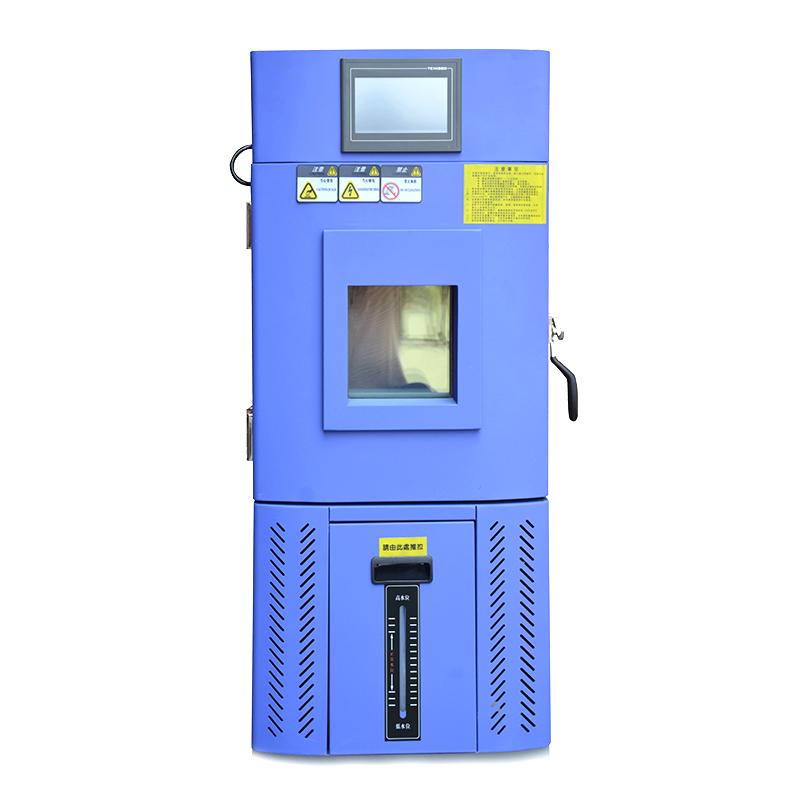
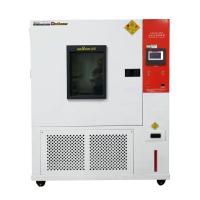
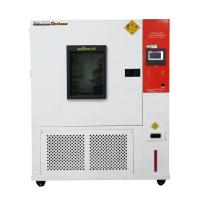
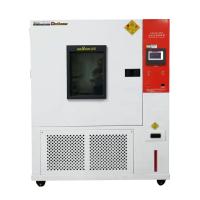
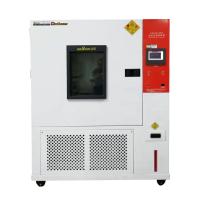
Optoelectronic components generally refer to optoelectronic sensors, optoelectronic devices, semiconductor lasers, LEDs and other optoelectronic devices. During the development and production of these devices, it is necessary to test their ability to withstand high-low temperature changes, so as to ensure their stability and reliability in various environments. The high-low Temperature Test Chamber can simulate the environment under different temperature conditions, and conduct high-low temperature cycle tests, temperature constant tests, temperature gradient tests, and humidity and heat alternating tests on photoelectric components to verify their high-low temperature resistance performance.
experiment procedure
Put the photoelectric components to be tested into the high-low Temperature Test Chamber, and pay attention to protect the surface of the device from mechanical damage and electrostatic interference.
According to the required test temperature range and test time, set the control parameters of the high-low Temperature Test Chamber, including temperature range, temperature change rate, temperature control accuracy, humidity and other parameters.
Start the high-low temperature cycle test or temperature constant test, and record the test data. Multiple tests can be carried out as needed to verify the stability and reliability of optoelectronic components in different environments.
If temperature gradient test or damp heat alternating test is required, corresponding control parameters and test procedures can be set according to relevant standards and test requirements.
After the test, take out the test sample, check whether its appearance and performance have changed, and evaluate whether its high-low temperature resistance meets the requirements.



- 1Application and structure principle of low/high Temperature Test Chamber
- 2Principle, application and selection of low/high Temperature Test Chamber for plastic belt
- 3Principle, application and selection of fire-proof coatings low/high Temperature Test Chamber
- 4Principle, application and selection of ultra low/high Temperature Test Chamber
- 5Principle and application of desktop low/high Temperature Test Chamber
- 6Application of FRP low/high Temperature Test Chamber
- 7The working principle and application scenario of non-standard high-low-Temperature Test Chamber
- 8Application of programmable low/high Temperature Test Chamber NBC-CDW-150M in luminaire testing
- 9What are the reasons why the high-low temperature alternating heating and Humidity Chamber cannot be thermostatic?