High-low temperature resistance test solution for nickel-cadmium batteries
Nickel-cadmium battery is a commonly used rechargeable battery, and its performance will be affected at different temperatures. Therefore, in order to ensure that nickel-cadmium batteries can operate normally under various extreme temperature environments, high-low temperature resistance tests are required. These tests can test the battery's performance parameters such as discharge capacity, charging efficiency, and cycle life at extreme high-low temperatures, thereby evaluating the quality and reliability of the battery. Through the high-low temperature resistance test, it can ensure that the nickel-cadmium battery can work stably and reliably in various application scenarios, and at the same time improve the safety and performance of the battery.
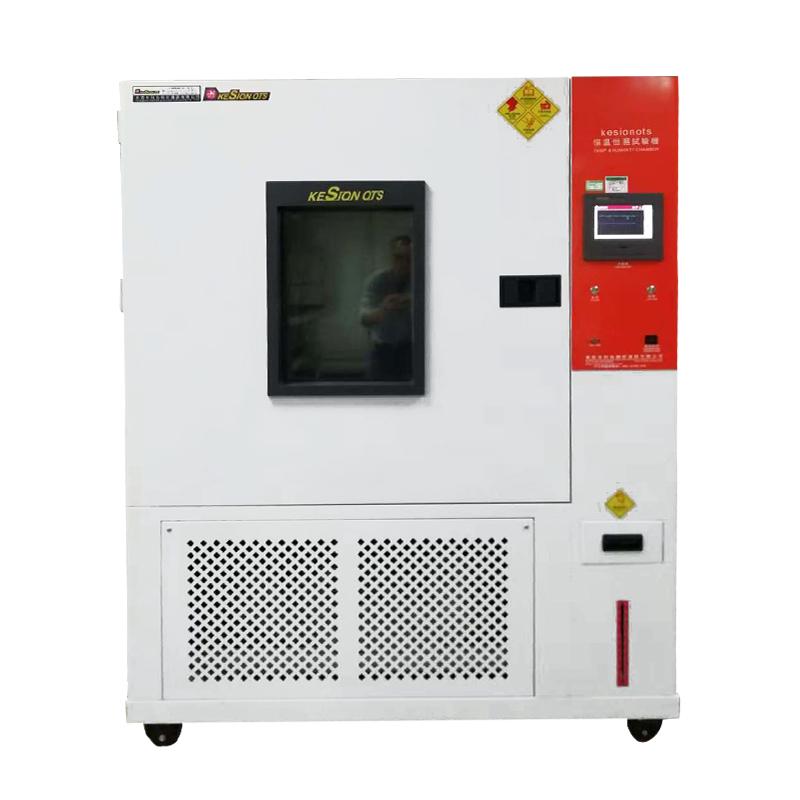
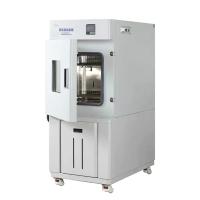
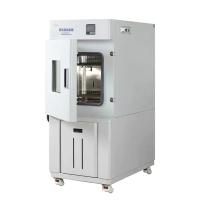
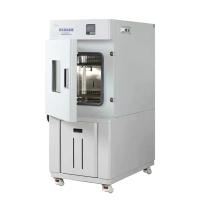
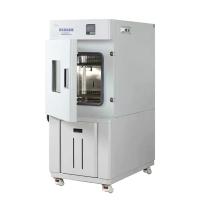
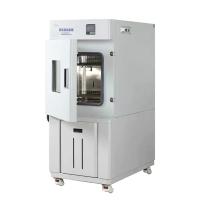
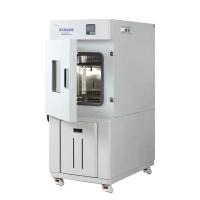
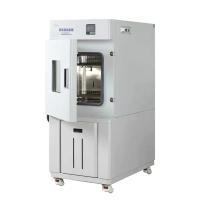
The high-low Temperature Test Chamber can simulate the working environment of the battery at extreme temperatures in the high-low temperature resistance test of the nickel-cadmium battery, and is used to test the high temperature and low temperature performance of the battery.
experiment procedure:
Place the nickel-cadmium battery samples to be tested in the high-low Temperature Test Chamber, and pay attention to ensure the gap between the samples so as not to affect the temperature distribution.
According to the test requirements, set the test parameters such as the temperature range of high temperature and low temperature, temperature change rate and holding time.
Adjust the temperature control system of the high-low Temperature Test Chamber to the set temperature range and keep it for a certain period of time, then gradually increase or decrease the temperature until it reaches the set limit temperature value. Hold for a certain time at each temperature value to ensure that the battery reaches temperature equilibrium.
After the scheduled test time is reached or the test is over, return the temperature of the high-low Temperature Test Chamber to normal temperature, take out the test sample, check its performance and structural changes, record and analyze the test results.
*During the test, avoid the battery temperature being too high or too low, so as not to cause safety problems such as battery leakage and short circuit. At the same time, the interior of the Test Chamber should be cleaned in time after the test to prevent sample residues from adversely affecting the Test Chamber.
- 1What are the reasons why the high-low temperature alternating heating and Humidity Chamber cannot be thermostatic?
- 2What are the requirements for the installation site of the low/high Temperature Test Chamber?
- 3How to distinguish between low/high Temperature Test Chamber and heat & cold shock chamber
- 4High-low temperature test box FAQ and its solutions
- 5Thermal Shock Test Chamber FAQ and calibration method
- 6High-low temperature box FAQ and calibration method
- 7Humidity chamber FAQ and correct calibration method
- 8Application of Humidity Chamber in Polymer and composite industry
- 9Application of Humidity Chamber in Photovoltaic industry