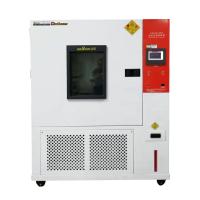
Application of low/high Temperature Test Chamber in high-low temperature resistance test of evaporator
The evaporator is an important heat exchange device and an important part of the refrigeration system. Its working temperature will be affected by the ambient temperature. High or low temperature may lead to changes in the internal structure and performance of the evaporator, thereby affecting its heat transfer. efficiency and service life. Therefore, in order to ensure that the evaporator can work normally in various extreme environments, high-low temperature resistance tests are required. By simulating different temperature conditions, the heat transfer performance, corrosion resistance and reliability performance of the evaporator at high-low temperatures can be tested, so as to evaluate its applicability and reliability in various application scenarios, and provide support for product development and Production provides reference and guarantee.
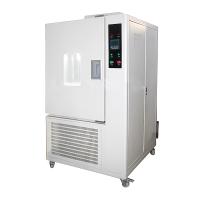
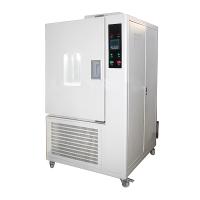
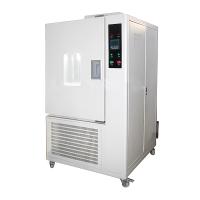
The high-low Temperature Test Chamber can provide high-low temperature cycle test conditions that meet relevant standards, and test the performance of the evaporator under different temperature environments to evaluate its tolerance and reliability.
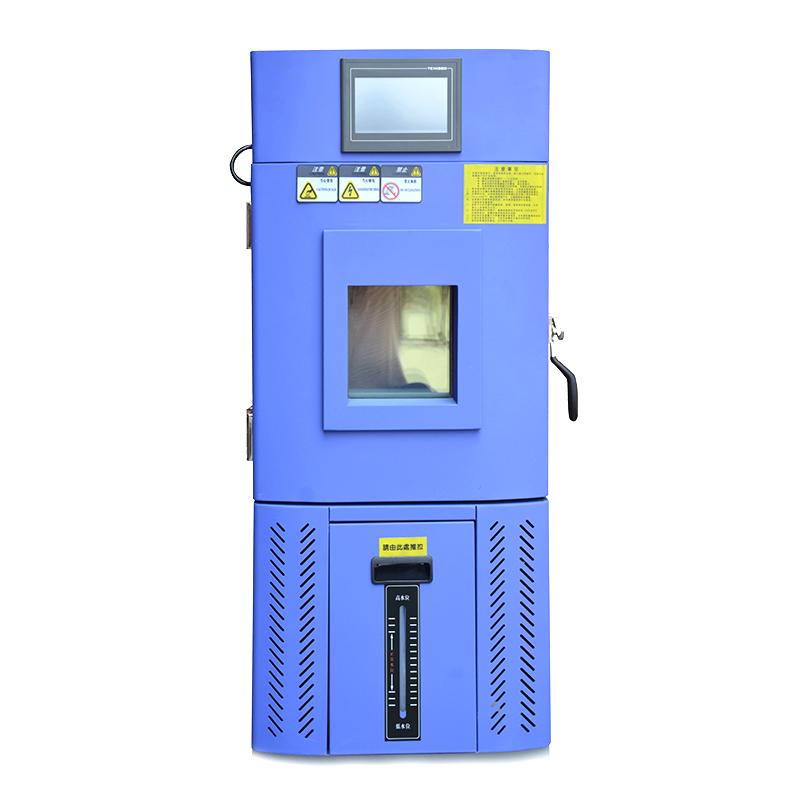
experiment procedure
Place the evaporator in the Test Chamber and make sure the surface of the evaporator is dry.
Set the Test Chamber temperature to the target temperature at low temperature and maintain it for a period of time to allow the evaporator to reach a steady state.
Set the chamber temperature to the target temperature at high temperature and keep it there for a period of time to allow the evaporator to reach a steady state.
Repeat steps 2 and 3 for multiple cycle tests to simulate the temperature change of the evaporator during actual use.
Observe the performance changes of the evaporator, including parameters such as condensation capacity, heat transfer efficiency and pressure drop, and record the test data.
According to relevant standards or requirements, analyze and evaluate the test data to determine whether the tolerance and stability of the evaporator meet the requirements.
NBCHAO reminds you: when performing high-low temperature cycle tests on evaporators, you should select appropriate parameters such as the temperature range, lifting rate, and holding time of the Test Chamber according to specific requirements, so as to ensure the accuracy and reliability of the test results.

- 1Application and structure principle of low/high Temperature Test Chamber
- 2Principle, application and selection of low/high Temperature Test Chamber for plastic belt
- 3Principle, application and selection of fire-proof coatings low/high Temperature Test Chamber
- 4Principle, application and selection of ultra low/high Temperature Test Chamber
- 5Principle and application of desktop low/high Temperature Test Chamber
- 6Application of FRP low/high Temperature Test Chamber
- 7The working principle and application scenario of non-standard high-low-Temperature Test Chamber
- 8Application of programmable low/high Temperature Test Chamber NBC-CDW-150M in luminaire testing
- 9What are the reasons why the high-low temperature alternating heating and Humidity Chamber cannot be thermostatic?