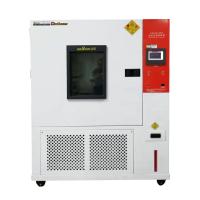
Application of low/high Temperature Test Chamber in high-low temperature resistance test of MH-Ni battery
MH-Ni battery is a nickel-metal hydride rechargeable battery, which may undergo physical and chemical changes under different environmental conditions, thereby affecting its performance and life. In practical applications, MH-Ni batteries may need to withstand the effects of extreme environments such as high temperature and low temperature. For example, in the fields of electric vehicles and solar power generation systems, they need to be used in extreme temperature environments. Therefore, in order to ensure that the MH-Ni battery can maintain its performance and life in different environments, it is necessary to conduct high-low temperature resistance tests to evaluate its electrochemical performance, capacity retention rate and other indicators at different temperatures.
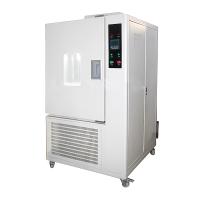
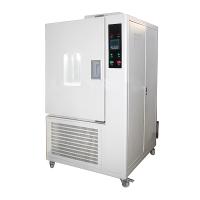
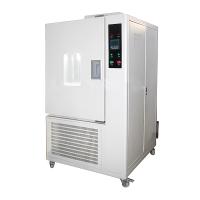
The high-low Temperature Test Chamber can be used for high-low temperature resistance tests of MH-Ni batteries to evaluate the performance and reliability of batteries in extreme temperature environments.
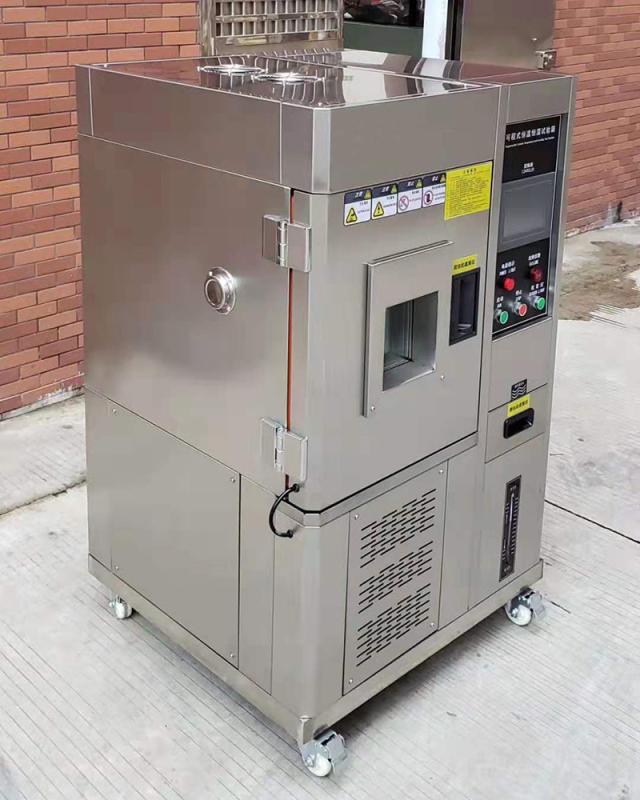
experiment procedure
Choose an MH-Ni battery that meets the specifications and make sure it has enough power and works properly.
Place the MH-Ni battery in the high-low Temperature Test Chamber and make sure that its surface is not damaged or deformed.
According to the test requirements, set the temperature range and lifting speed of the high-low Temperature Test Chamber, for example: -20°C~+60°C, the lifting speed is 5°C/min.
Start the high-low Temperature Test Chamber, and start the high-low temperature cycle test. The test time can be set according to the requirements, for example: keep at each temperature point for 2 hours, and cycle 10 times.
During the test, observe the working state and appearance changes of the MH-Ni battery, and record the data. For example: voltage, current, temperature, capacity, etc.
The performance and reliability of the MH-Ni battery are evaluated by analyzing the test data. For example: observe the voltage change of a battery at different temperatures to evaluate its reliability in extreme temperature environments.
After the test is completed, close the high-low Temperature Test Chamber, and take out the test sample. Follow-up battery performance evaluation and analysis, if required.

- 1Application and structure principle of low/high Temperature Test Chamber
- 2Principle, application and selection of low/high Temperature Test Chamber for plastic belt
- 3Principle, application and selection of fire-proof coatings low/high Temperature Test Chamber
- 4Principle, application and selection of ultra low/high Temperature Test Chamber
- 5Principle and application of desktop low/high Temperature Test Chamber
- 6Application of FRP low/high Temperature Test Chamber
- 7The working principle and application scenario of non-standard high-low-Temperature Test Chamber
- 8Application of programmable low/high Temperature Test Chamber NBC-CDW-150M in luminaire testing
- 9What are the reasons why the high-low temperature alternating heating and Humidity Chamber cannot be thermostatic?