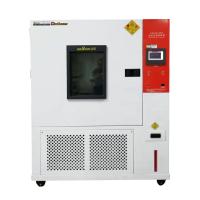
Application of high-low Temperature Test Chamber in high-low temperature resistance test of aviation silicone rubber materials
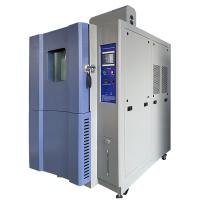
The high-low Temperature Test Chamber is widely used in the high-low temperature resistance test of aerospace silicone rubber materials, and is used to evaluate the durability and performance of rubber materials in high temperature and low temperature environments.
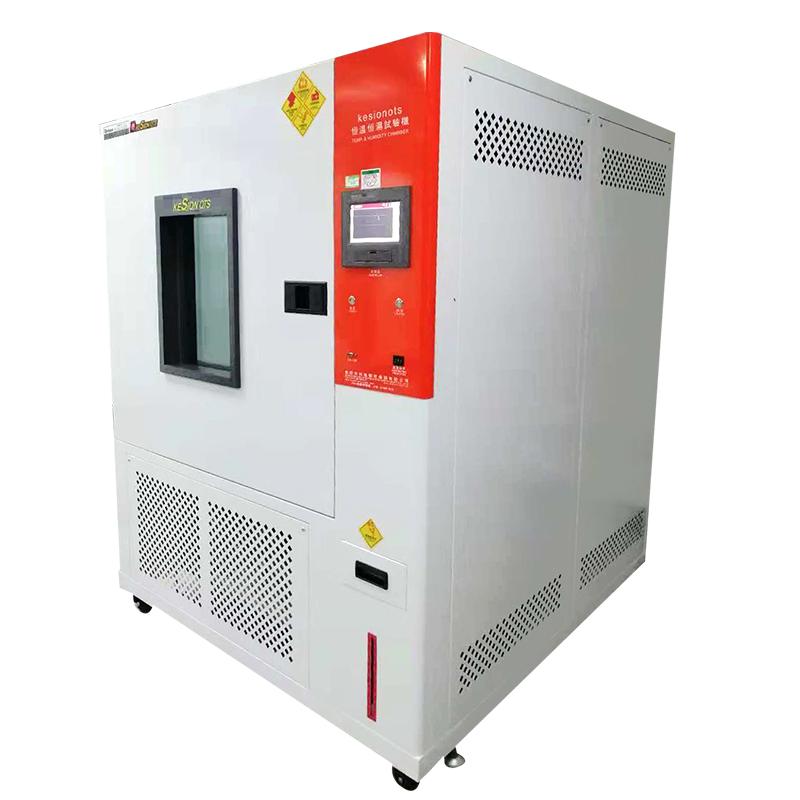
Aviation silicone rubber materials need to withstand complex working environments and stress conditions, such as high-speed flight, changes in atmospheric pressure, alternating low and high temperatures, etc. Therefore, high-low temperature resistance tests are required to verify their performance and reliability. In a high temperature environment, silicone rubber tends to harden and age, while in a low temperature environment, it may become brittle and lose its elasticity. Through the high-low temperature resistance test, the physical, chemical and mechanical properties of silicone rubber materials can be evaluated under various extreme temperature conditions, so as to determine their service life and reliability in the aviation field, and provide scientific information for the design and manufacture of related products data support.
experiment method
According to the required test standards, prepare rubber material samples that meet the requirements of the standards.
The sample is placed in a high or low temperature environment for pretreatment for a period of time to reach the temperature required for the test.
Place the pretreated samples in the high-low Temperature Test Chamber, and set the test conditions, such as temperature range, lifting rate, test time, etc.
Conduct tests according to test standards, record the physical and chemical properties of samples at different temperatures, such as tensile strength, elastic modulus, hardness, elongation at break, deformation, aging and other indicators.
According to the test results, evaluate the performance and durability of the samples, and make product improvements and upgrades accordingly.
Beichao reminds you: The test standards for aerospace silicone rubber materials may vary depending on the application field and country/region, so you should carefully review the relevant test standards and specifications before conducting the test.
- 1What are the reasons why the high-low temperature alternating heating and Humidity Chamber cannot be thermostatic?
- 2What are the requirements for the installation site of the low/high Temperature Test Chamber?
- 3How to distinguish between low/high Temperature Test Chamber and heat & cold shock chamber
- 4High-low temperature test box FAQ and its solutions
- 5Thermal Shock Test Chamber FAQ and calibration method
- 6High-low temperature box FAQ and calibration method
- 7Humidity chamber FAQ and correct calibration method
- 8Application of Humidity Chamber in Polymer and composite industry
- 9Application of Humidity Chamber in Photovoltaic industry