Low/high Temperature Test Chamber for high-low temperature resistance test of fluoroether rubber sealing materials
Fluorine rubber sealing materials are mainly used for sealing in high temperature, high pressure or chemically corrosive environments, and need to withstand the test of extreme high temperature and low temperature environments. The high-low temperature resistance test is a method to test the performance of the material. By placing the material in a high temperature and low temperature environment to simulate the actual use conditions, evaluate its performance and reliability at extreme temperatures. In a high temperature environment, the fluoroether rubber sealing material needs to withstand the effects of thermal aging, hardening, cracks, etc. at a high temperature, while in a low temperature environment, the material will become more brittle, resulting in material rupture. Through the high-low temperature resistance test, the applicable temperature range of the material can be determined, providing reliability guarantee for the project using the material.
The high-low Temperature Test Chamber can be used for high-low temperature resistance tests of fluoroether rubber sealing materials. The test evaluates the performance of sealing materials under extreme temperature conditions to determine their reliability and suitability.
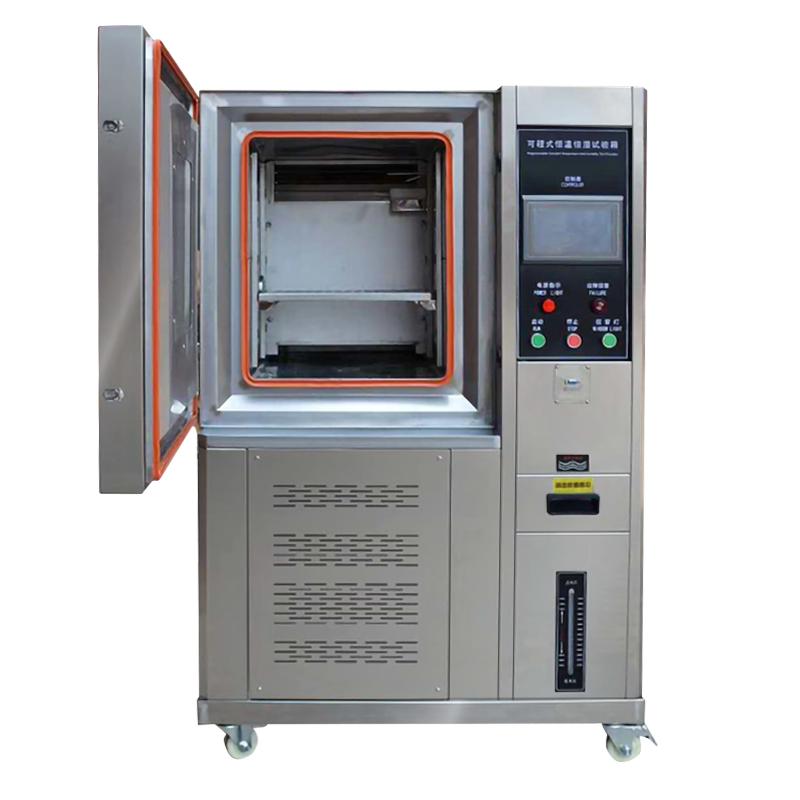
experiment method
According to the standard regulations, prepare the qualified fluorine rubber sealing material samples.
According to the test requirements and standard regulations, set the parameters such as the high-low temperature range of the Test Chamber, the heating and cooling rate and the holding time.
Put the prepared samples into the test box, and arrange and fix them according to the standard regulations.
Start the Test Chamber according to the set test parameters, make it cycle in the high-low temperature range, and periodically increase and decrease the temperature.
During the test, the performance of the sample is regularly monitored, such as sealing performance, physical performance, chemical performance, etc.
After the test is completed, the sample is taken out for inspection and testing to evaluate its high-low temperature resistance performance.


- 1Application and structure principle of low/high Temperature Test Chamber
- 2Principle, application and selection of low/high Temperature Test Chamber for plastic belt
- 3Principle, application and selection of fire-proof coatings low/high Temperature Test Chamber
- 4Principle, application and selection of ultra low/high Temperature Test Chamber
- 5Principle and application of desktop low/high Temperature Test Chamber
- 6Application of FRP low/high Temperature Test Chamber
- 7The working principle and application scenario of non-standard high-low-Temperature Test Chamber
- 8Application of programmable low/high Temperature Test Chamber NBC-CDW-150M in luminaire testing
- 9What are the reasons why the high-low temperature alternating heating and Humidity Chamber cannot be thermostatic?