Low/high Temperature Test Chamber applied to high-low temperature resistance test of hot boiler
A thermal boiler is a kind of thermal energy equipment, mainly used to heat water or generate steam, and is often used in heating, power generation and other fields. During use, the thermal boiler will be affected by different environmental conditions such as high temperature and low temperature. If its high-low temperature resistance is insufficient, it may cause the thermal boiler to fail or work unstable, thereby affecting the production processes such as heating and power generation, and even causing Fire and other safety incidents. Therefore, the high-low temperature resistance test of the thermal boiler can evaluate its working reliability and safety performance in different temperature environments, so as to ensure that the thermal boiler can work normally under various environmental conditions and ensure the safety and safety of industrial production and domestic heat. Stable supply.
The high-low Temperature Test Chamber can also be used in the high-low temperature resistance test of hot boilers to test the performance and durability of hot boiler materials and components in high temperature and low temperature environments.
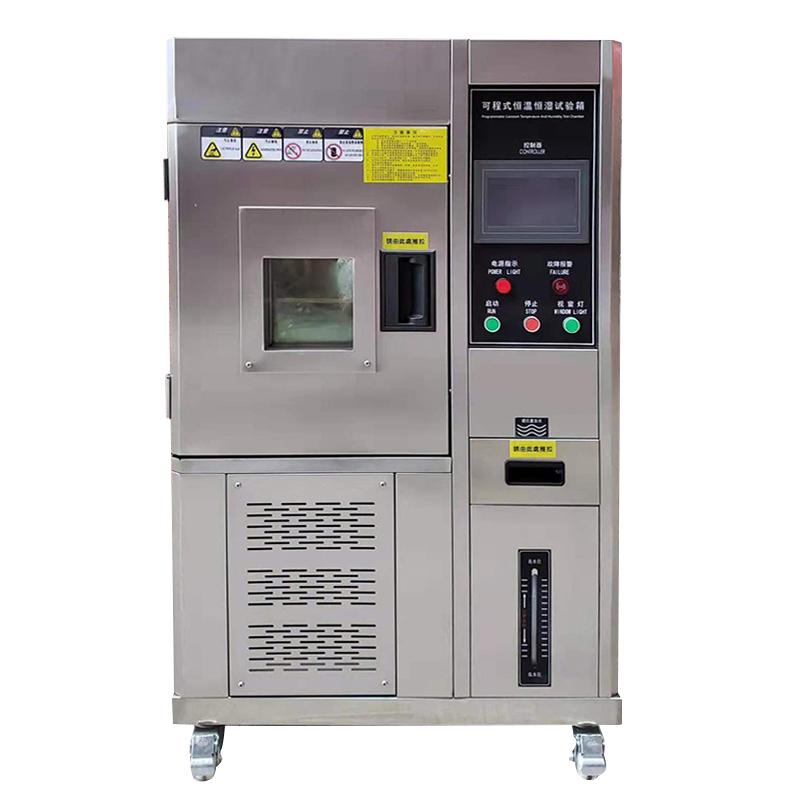
experiment procedure
Prepare the hot boiler materials and components to be tested, inspect and prepare according to the specified requirements.
Install the sample to be tested in the high-low Temperature Test Chamber, and pay attention to connecting the relevant sensors, measuring instruments and other equipment in order to record the test data.
According to the test requirements, set the test conditions, including high temperature and low temperature range, temperature change rate, holding time and other parameters. Before setting the conditions, the Test Chamber needs to be preheated or precooled to reach the set temperature.
Start the high-low Temperature Test Chamber and start the test. During the test, it is necessary to observe the samples, record relevant data, and deal with abnormal situations in time.
After the test time is over, stop the high-low Temperature Test Chamber, take out the test samples, and conduct observation and test data analysis.
According to the test results, conduct data analysis and report writing, and report the test results and conclusions.
NBCHAO reminds you: When conducting high-low temperature resistance tests of hot boilers, it is necessary to strictly abide by relevant safety regulations and operating procedures to ensure that the test process is safe and reliable.


- 1Application and structure principle of low/high Temperature Test Chamber
- 2Principle, application and selection of low/high Temperature Test Chamber for plastic belt
- 3Principle, application and selection of fire-proof coatings low/high Temperature Test Chamber
- 4Principle, application and selection of ultra low/high Temperature Test Chamber
- 5Principle and application of desktop low/high Temperature Test Chamber
- 6Application of FRP low/high Temperature Test Chamber
- 7The working principle and application scenario of non-standard high-low-Temperature Test Chamber
- 8Application of programmable low/high Temperature Test Chamber NBC-CDW-150M in luminaire testing
- 9What are the reasons why the high-low temperature alternating heating and Humidity Chamber cannot be thermostatic?