High-low temperature resistance test scheme of silicone Pressure sensitive adhesive
Silicone pressure-sensitive adhesive is a commonly used high-performance bonding material that needs to withstand various high-low temperature environments. Therefore, the high-low temperature resistance test is a necessary method to evaluate its performance. This test method can evaluate the physical and chemical properties of silicone pressure-sensitive adhesives such as adhesion, shear strength, tear strength, adhesion, and fluidity at different temperatures. These test results can help determine the application range and performance parameters of silicone pressure-sensitive adhesives under different temperature conditions, and provide a scientific basis for practical applications.
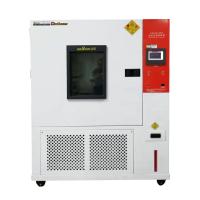
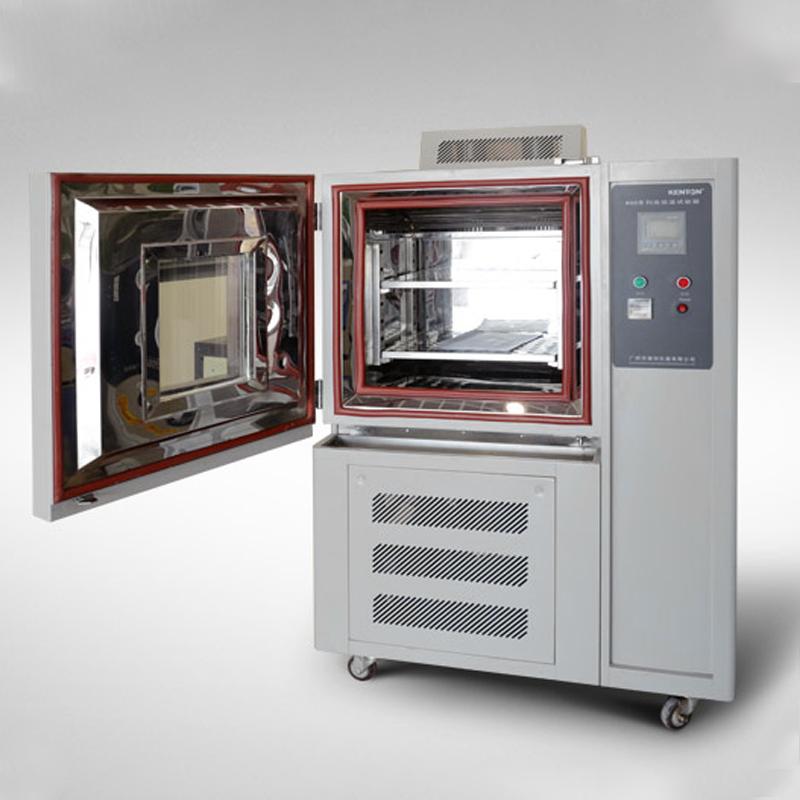
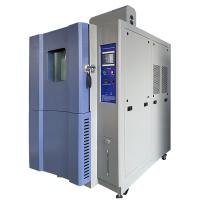
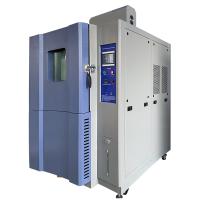
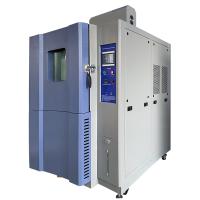
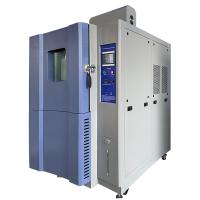
The high-low Temperature Test Chamber can be used for high-low temperature resistance tests of silicone pressure sensitive adhesives to determine their performance and stability at different temperatures.
experiment method
Take an appropriate amount of pressure-sensitive adhesive from the sample and make a corresponding sample, generally rectangular or circular.
Place the prepared sample in the Test Chamber, and set the temperature range and lifting speed according to the test requirements.
According to test standards or requirements, set parameters such as high-low temperature of the Test Chamber, holding time and heating/cooling rate.
Start the Test Chamber for temperature cycling test. According to the experimental requirements, the temperature cycle can last for several hours or several days, and the time of each temperature stage should be adjusted according to the experimental requirements.
After the test, observe whether there is any change in the appearance of the sample, such as color, shape, viscosity, etc. At the same time, corresponding performance tests are carried out, such as adhesion, tensile strength, peel strength, etc.
According to the test results, analyze the stability and properties of the sample in high-low temperature environments, and evaluate its scope of application and performance level.
NBCHAO reminds you: the high-low temperature test of silicone pressure-sensitive adhesives may be affected by many factors, such as sample quality, test conditions and environmental factors, etc., so attention should be paid to controlling the influence of these factors during the test to ensure test results accuracy and reliability.
- 1Application and structure principle of low/high Temperature Test Chamber
- 2Principle, application and selection of low/high Temperature Test Chamber for plastic belt
- 3Principle, application and selection of fire-proof coatings low/high Temperature Test Chamber
- 4Principle, application and selection of ultra low/high Temperature Test Chamber
- 5Principle and application of desktop low/high Temperature Test Chamber
- 6Application of FRP low/high Temperature Test Chamber
- 7The working principle and application scenario of non-standard high-low-Temperature Test Chamber
- 8Application of programmable low/high Temperature Test Chamber NBC-CDW-150M in luminaire testing
- 9What are the reasons why the high-low temperature alternating heating and Humidity Chamber cannot be thermostatic?