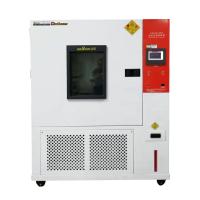
High-low temperature resistance test scheme of silicate bonded sealant
Silicate adhesive sealant is a kind of sealing material commonly used in construction, automobile, aerospace and other fields. In order to ensure that it can withstand the influence of different temperature environments during use, high-low temperature tests are required. This test method can evaluate the physical and chemical properties of silicate adhesive sealant at different temperatures such as heat resistance, cold resistance, UV resistance, oxidation resistance, sealing and bonding strength. These test results can help determine the application range and performance parameters of silicate adhesive sealant under different temperature conditions, and provide scientific basis for practical application.
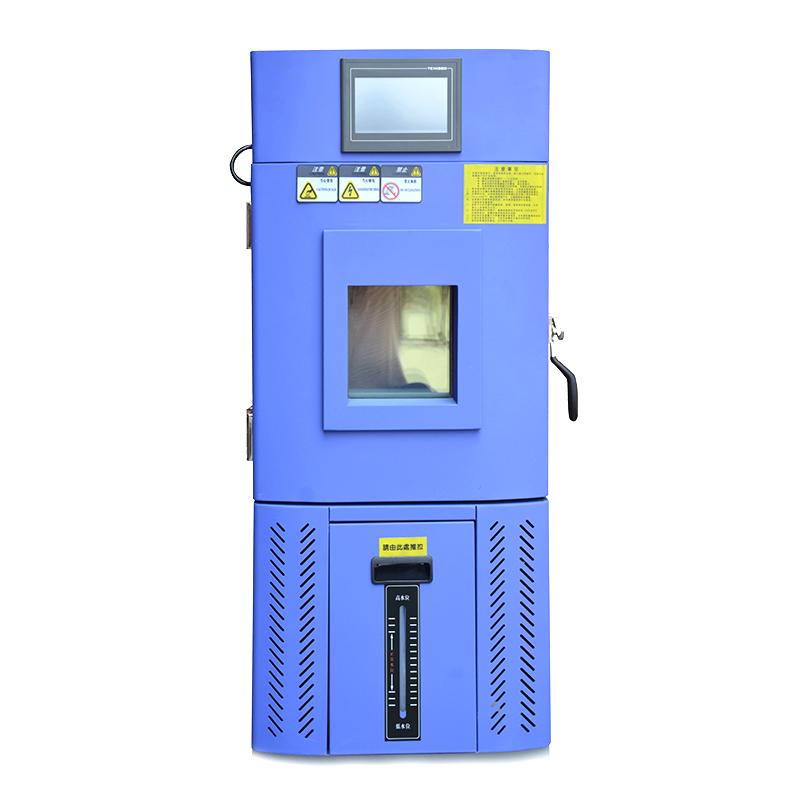
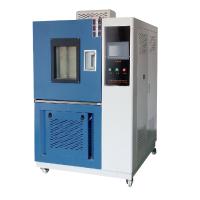
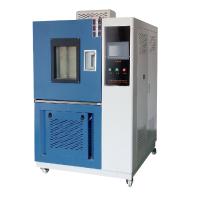
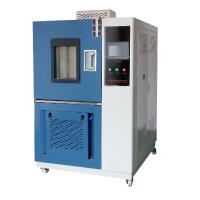
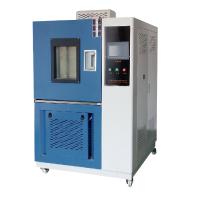
The high-low Temperature Test Chamber can simulate different temperature environments, and test its heat resistance, cold resistance, aging resistance and tensile performance by performing high-low temperature alternating cycle tests on silicate adhesive sealants.
experiment procedure
Prepare samples: prepare silicate adhesive sealants as required samples, and ensure that the surface of the samples is flat and free of bubbles, and the size meets the test requirements.
Put the sample into the high-low Temperature Test Chamber, and set the test parameters according to the test requirements, including the number of high-low temperature alternating cycles, temperature change rate, temperature range, etc.
Start the test: start the high-low Temperature Test Chamber, let it cycle alternately within the set high-low temperature range, and the duration of the cycle is set according to the test requirements, such as once every 24 hours.
Complete the test: After the test is completed, take out the sample and test its appearance and physical properties, including bond strength, tensile strength, elongation, etc.
Analyze the test results: According to the test results, evaluate the performance of the silicate adhesive sealant under different temperature environments, and judge whether it meets the requirements for use.



- 1Application and structure principle of low/high Temperature Test Chamber
- 2Principle, application and selection of low/high Temperature Test Chamber for plastic belt
- 3Principle, application and selection of fire-proof coatings low/high Temperature Test Chamber
- 4Principle, application and selection of ultra low/high Temperature Test Chamber
- 5Principle and application of desktop low/high Temperature Test Chamber
- 6Application of FRP low/high Temperature Test Chamber
- 7The working principle and application scenario of non-standard high-low-Temperature Test Chamber
- 8Application of programmable low/high Temperature Test Chamber NBC-CDW-150M in luminaire testing
- 9What are the reasons why the high-low temperature alternating heating and Humidity Chamber cannot be thermostatic?