Foam humidity resistance test
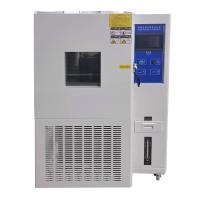
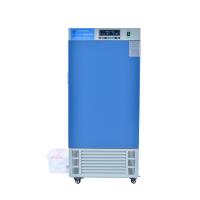
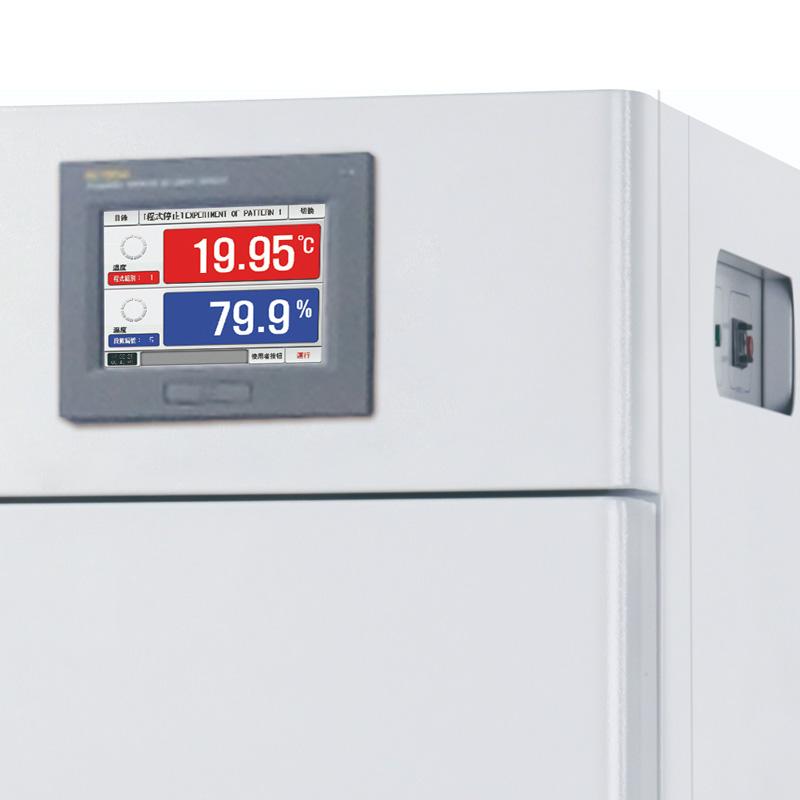
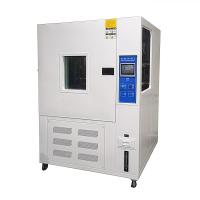
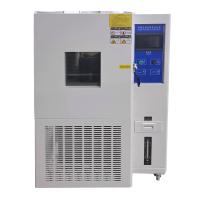
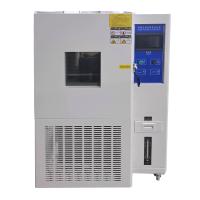
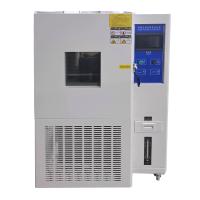
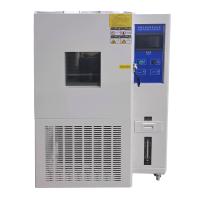
The constant temperature and humidity Test Chamber has important application value in the heat and humidity resistance test of foam materials. This Test Chamber can simulate a high temperature and high humidity environment and is used to test the resistance of foam materials in this environment.
application:
Foam materials are susceptible to moisture, heat, and other factors in high-temperature, high-humidity environments, resulting in performance degradation that affects product quality and reliability. The constant temperature and humidity Test Chamber can simulate this high-temperature and high-humidity environment for testing the resistance of foam materials. Specific applications include:
Test the resistance and longevity of foam materials in high temperature and high humidity environments.
Test the physical and chemical properties of foam materials in high-temperature and high-humidity environments.
Evaluate foam performance and functionality for compliance with specifications.
experiment procedure:
According to the requirements of the heat and humidity resistance test of foam materials, select a suitable constant temperature and humidity Test Chamber for testing.
Place the foam material sample in a constant temperature and humidity Test Chamber, and set the parameters of temperature and humidity. Typically, the temperature is set between 60°C and 80°C, and the humidity is set around 90%RH.
The foam material sample is exposed to a constant temperature and humidity environment for a certain period of time, usually 24 hours to 96 hours.
During operation, the condition of the foam samples, including physical and chemical properties, is regularly checked.
After the test, the foam material samples are taken out, and the performance test and analysis are carried out to evaluate whether the heat and humidity resistance of the foam material meets the requirements.
NBCHAO reminds you: when conducting the moisture and heat resistance test of foam materials, the appropriate test parameters and test time should be selected according to the requirements and specifications of the foam materials, so as not to cause too much interference to the accuracy and reliability of the test results. At the same time, during the test process, safety operating procedures must be followed to ensure the safety of test personnel and equipment.



- 1GB/T 10586-2006 Detailed explanation: Core technical indicators and acceptance specifications for damp heat Test Chamber
- 2Humidity chamber core components dismantling: how to select compressors/Sensors
- 3Inaccurate lab data? 90% of people ignore Test Chamber calibrating issues
- 4Constant Temperature and Humidity Chamber
- 5Chip high-low temperature heat and humidity performance test
- 6Application of Humidity Chamber in building materials and flooring industry
- 7Principle, application and selection of programmable Humidity Chamber for die casting
- 8Humidity Humidity Chamber principle, application and selection
- 9Principle, application and selection of field effect transistor programmable Humidity Chamber