Application of Humidity Chamber in humidity resistance test of hot-melt adhesive
The constant temperature and humidity Test Chamber can also be used for the heat and humidity resistance test of hot melt adhesives to evaluate its stability and quality in high humidity and high temperature environments.
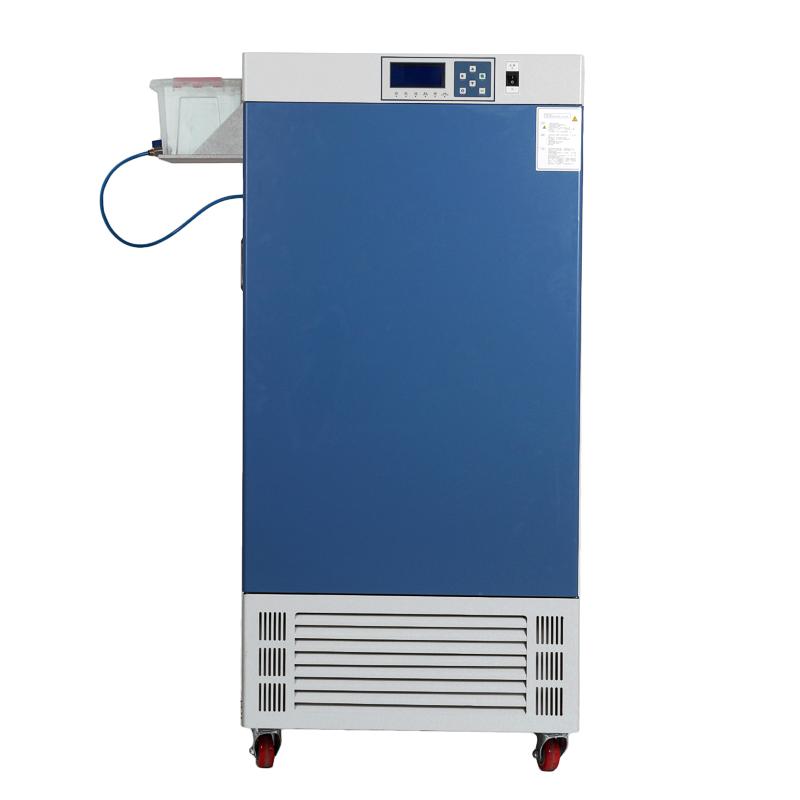
application:
The heat and humidity resistance test of hot melt adhesives is usually used to evaluate the durability and bonding performance of hot melt adhesive materials in high humidity and high temperature environments to determine their adaptability during long-term use and storage. This test is usually used for quality control and pre-production evaluation of hot melt adhesives, so as to ensure that they meet national standards and customer requirements.
experiment procedure:
The following are the basic steps of the constant temperature and humidity Test Chamber for the heat and humidity resistance test of hot melt adhesives:
Prepare the samples: According to the standard method, prepare the required hot melt adhesive samples.
Preparation of test specimens: Hot melt adhesive samples were coated on the substrate and cured according to standard methods.
Cutting Specimens: According to standard methods, the coated substrates were cut to the desired size and shape for placement in the Test Chamber.
Set test conditions: According to test standards, set the constant temperature and humidity conditions of the Test Chamber. Typically, the temperature is between 40°C and 60°C and the humidity is between 75% and 95%.
Carry out the test: Place the sample in the test box and keep the test conditions, usually for at least 48 hours, during which the test results should be checked and recorded regularly.
Check the results: After the test, the samples were removed and evaluated. The evaluation content includes the appearance, adhesion, hardness, etc. of the hot melt adhesive.
Analysis results: According to the test results, determine the stability and tolerance of the hot melt adhesive. If the hot melt adhesive changes during the test, further adjustments and improvements to the test conditions will be required.
Beichao reminds you: During the test, you should pay attention to keep the laboratory dry and hygienic, and operate in accordance with the standard operating procedures to ensure the accuracy and repeatability of the test. In addition, before conducting the test, you should also understand the specific requirements and methods of the test standard to ensure that the test results meet the requirements.




- 1GB/T 10586-2006 Detailed explanation: Core technical indicators and acceptance specifications for damp heat Test Chamber
- 2Humidity chamber core components dismantling: how to select compressors/Sensors
- 3Inaccurate lab data? 90% of people ignore Test Chamber calibrating issues
- 4Chip high-low temperature heat and humidity performance test
- 5Application of Humidity Chamber in building materials and flooring industry
- 6Principle, application and selection of programmable Humidity Chamber for die casting
- 7Humidity Humidity Chamber principle, application and selection
- 8Principle, application and selection of field effect transistor programmable Humidity Chamber
- 9Principle, application and selection of luggage Humidity Chamber
