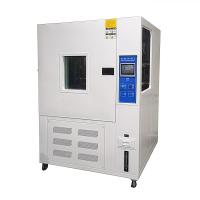
Application of Humidity Chamber in damp heat resistance of steel plate
As a commonly used building material, steel plates are widely used in building structures, such as walls, roofs, stairs, railings, etc. At the same time, steel plates are also used in the manufacture of various mechanical equipment, auto parts, electrical equipment, etc. During use, the steel plate will be affected by various environmental factors, such as high temperature, humidity, etc. These factors will cause problems such as rust and corrosion on the surface of the steel plate and reduce its service life.
Therefore, in order to ensure the durability and service life of the steel plate, it is necessary to conduct a damp heat test. By testing in a high-temperature and high-humidity environment, the environmental conditions in actual use can be simulated, and the corrosion resistance and surface treatment quality of the steel plate in a humid and high-temperature environment can be tested to evaluate its durability and reliability. Steel plates are used for specific applications.
experiment method
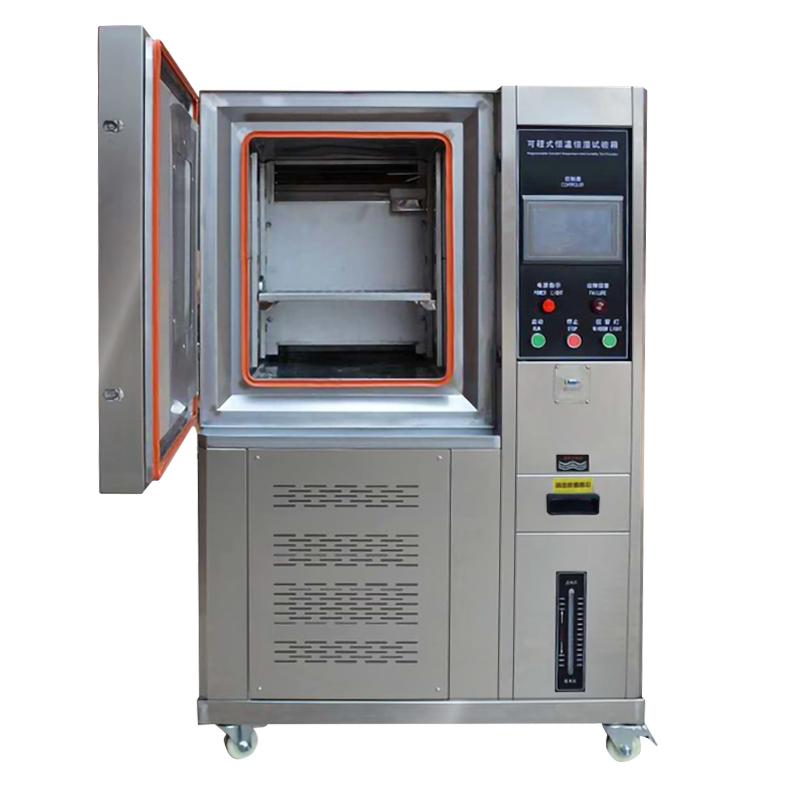
The application and test method of the damp heat Test Chamber in the damp heat resistance test of the steel plate are as follows:
According to the test requirements, the steel plate is cut into samples of specified size, cleaned and dried.
Place the sample in a damp heat Test Chamber and set corresponding temperature and humidity conditions, such as 40°C, 95%RH.
The test is given for a specified period of time, usually 48 hours or more.
Take out the sample and conduct appearance and performance tests, such as measuring its thickness change, weight change, tensile strength and other indicators, and observing whether there is oxidation or corrosion.
Evaluate the damp heat resistance performance of the steel plate according to the test results.
NBCHAO reminds you: the performance test of the steel plate may also require other tests, such as salt spray corrosion test, hardness test, etc., to fully evaluate its performance.




- 1GB/T 10586-2006 Detailed explanation: Core technical indicators and acceptance specifications for damp heat Test Chamber
- 2Humidity chamber core components dismantling: how to select compressors/Sensors
- 3Inaccurate lab data? 90% of people ignore Test Chamber calibrating issues
- 4Chip high-low temperature heat and humidity performance test
- 5Application of Humidity Chamber in building materials and flooring industry
- 6Principle, application and selection of programmable Humidity Chamber for die casting
- 7Humidity Humidity Chamber principle, application and selection
- 8Principle, application and selection of field effect transistor programmable Humidity Chamber
- 9Principle, application and selection of luggage Humidity Chamber