Temperature resistance, what is temperature resistance?
Temperature resistance is also known as resistance to hot and cold temperature difference. Cold and hot temperature difference resistance refers to the ability of the paint film to resist the damage of the paint film caused by temperature changes from low to high or from high to low. Wood products sometimes undergo drastic temperature changes. For example, in winter in northern my country, the temperature difference between indoor and outdoor is large. If the paint film has good temperature resistance, the paint film will be intact, otherwise defects such as loss of light, discoloration, bubbling and cracking may also occur.
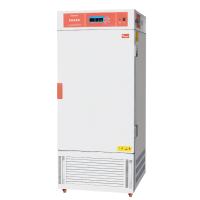
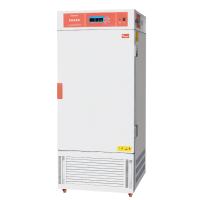
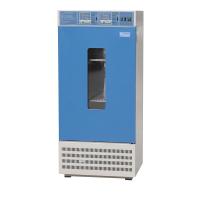
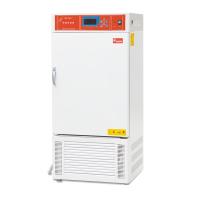
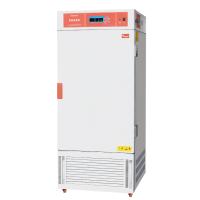
According to the national standard "Determination of Cold and Heat Temperature Difference of Furniture Surface Paint Film", when detecting temperature resistance, the painted dry sample should be continuously put into a high temperature (40 ℃) constant temperature and Humidity Chamber and a low temperature (-20 ℃) refrigerator, observe the change of the paint film, and express it in the number of cycles (from high temperature to low temperature) without damage change.