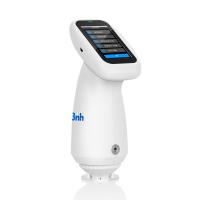
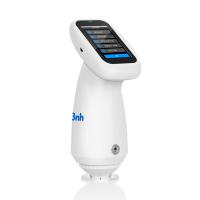
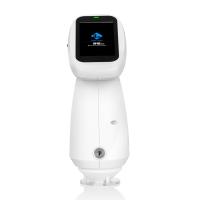
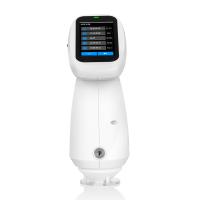
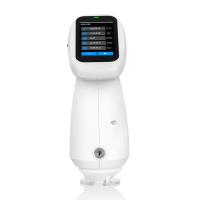
Application analysis of color difference meter in food color difference detection
Food color is one of the important factors to evaluate its quality and attract consumers. Even small color differences may affect the appearance, taste and market competitiveness of a product. In food production, color reader, as a high-precision and fast Measurement Instrument, plays a crucial role in food color difference detection.
Principle and characteristics
Color reader accurately calculates the color difference value by measuring the color difference between the sample and the standard sample, and evaluates the color conformity of the food. Its Key Features include high-precision, fast measurement, easy operation, etc., which is very suitable for automatic inspection and quality control of food production online.
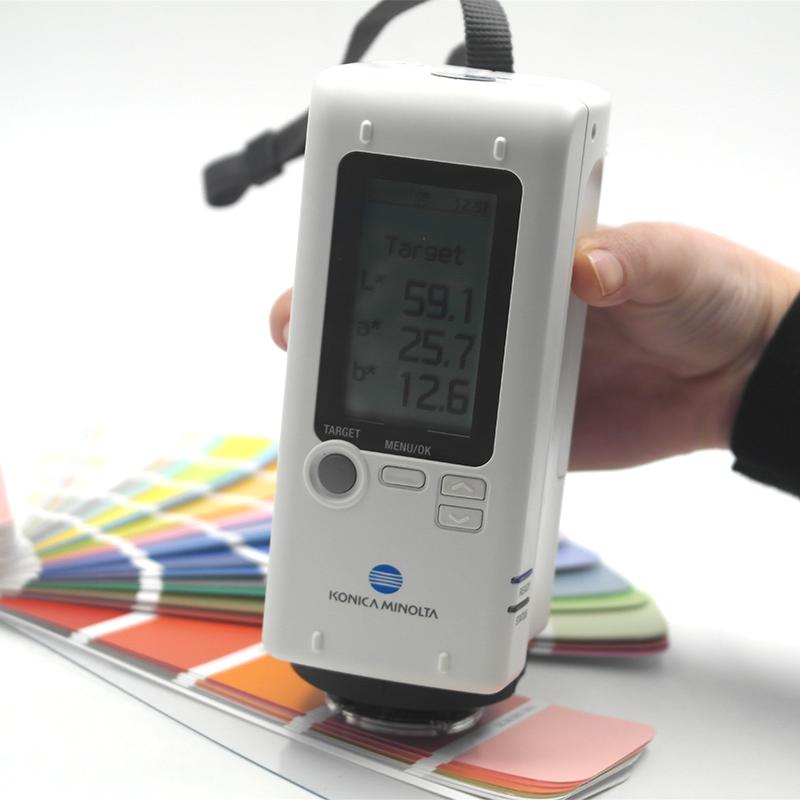
Application
In the food production process, various raw materials need to be inspected to ensure that their colors meet the standards. The color reader can help manufacturers detect whether the colors of raw materials meet the requirements and avoid product mass problems caused by the color difference of raw materials.
Food processing, color conformity is essential to maintain product quality and brand perception. Color readers can monitor color changes in real time during processing online, adjust production parameters in time, and ensure product color stability.
The color conformity of the finished product directly affects the market recognition and consumer reputation of the product. The color reader can quickly and accurately measure the color of each batch of finished products to ensure the color conformity and Appearance mass of the product.
Notes and Tips
When performing color difference detection, it is crucial to select the appropriate standard sample. Optical inspection characteristics and Color of the standard sample should be similar to the sample to be tested to ensure the accuracy of the measurement results.
Color difference measurement is affected by environmental factors, such as rays of light, temperature and Humidity. Therefore, during measurement, it is necessary to control the measurement environment to avoid external factors affecting the measurement results.
Sample preparation has a direct impact on color difference measurement results. It is necessary to ensure that the surface of the sample is clean and uniform, and to avoid pigmentation and oxidation on the surface of the sample.
Color readers play a crucial role in food production. They can not only help manufacturers ensure product color conformity and mass stability, but also improve production efficiency and product competitiveness. With the continuous development of the food industry, it is believed that the application of color readers in food color difference detection will become more and more extensive, providing consumers with safer and higher-quality food products.