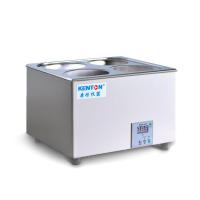
What is a Good Water bath?
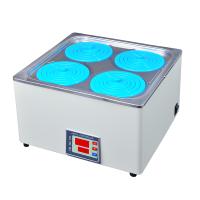
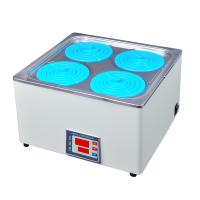
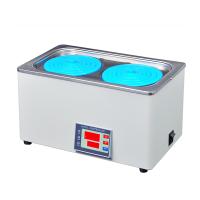
Water bath is a common laboratory equipment, usually used for heating, constant temperature, evaporation, drying and other processing of samples. It consists of a container, a heating device and a thermostatic controller. Usually, the Water Bath uses water as the heat transfer medium, the water is heated by a heater to make it reach the required temperature, and the temperature in the Water Bath is controlled by a thermostat controller to maintain a constant temperature.
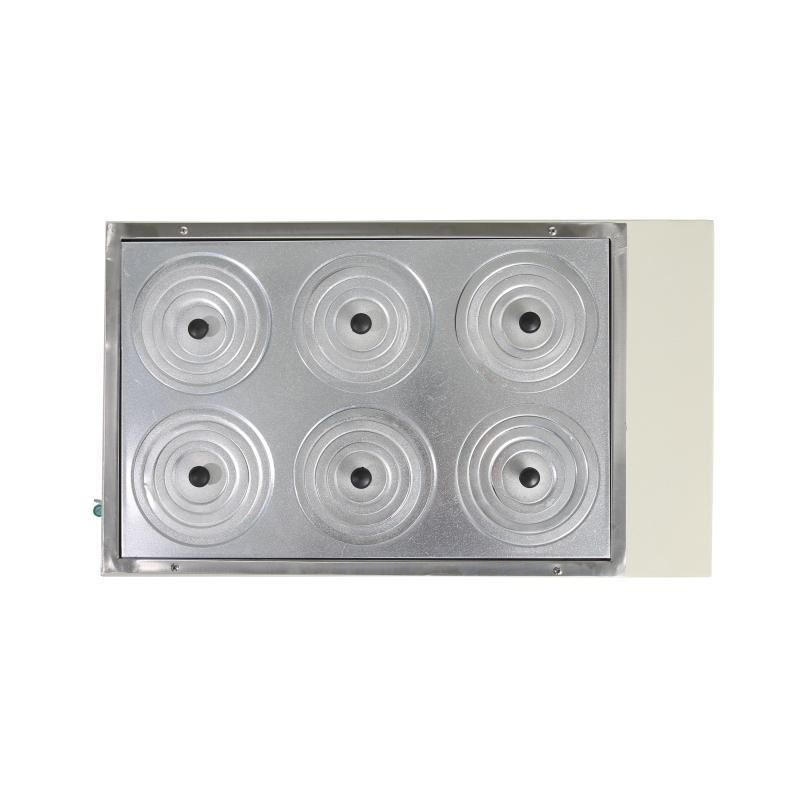
Water baths are widely used in laboratories. For example, it can be used for:
Heating the reaction solution at constant temperature, such as enzyme-catalyzed reaction, DNA hybridization, PCR reaction, etc.
The low boiling point solvent is heated, evaporated, concentrated, etc.
Perform operations such as constant temperature, drying, heat treatment, and temperature cycling on samples, such as preparing samples and purifying compounds.
When preparing certain experiments, such as enzyme digestion experiments, protein electrophoresis experiments, etc., when constant temperature treatment is required or samples are prepared, a Water Bath is required.
Water baths come in different forms and specifications, such as single-hole, multi-hole, digital control, etc. Some advanced Water Baths may have more functions, such as automatic shutdown, temperature preset, over-temperature protection, etc. When using a Water Bath, safety issues cannot be ignored, especially attention should be paid to prevent hot water from splashing, avoiding contact with hot surfaces, etc.
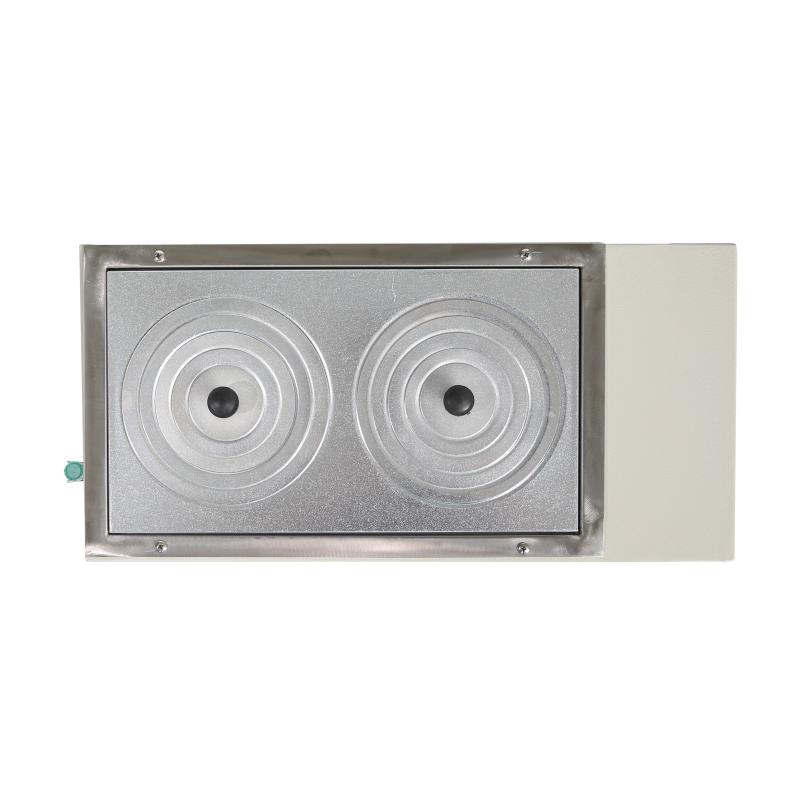
A good Water Bath should have the following characteristics:
Stability and accuracy: The Water Bath should be able to keep the temperature stable, and the temperature control should be accurate in order to get accurate results in the experiment.
Safety: The Water Bath should have an over-temperature protection function, which can stop heating when the preset temperature range is exceeded to prevent danger.
Adjustability: The temperature of the Water Bath should be adjustable to suit different experimental requirements.
Ease of operation: The Water Bath should be easy to operate and should have an intuitive control panel and a clear temperature display.
Durability: A Water Bath should be constructed of durable materials to ensure its longevity and reliability.
Quietness: The Water Bath should not make too much noise when it is working, so as not to interfere with the experimental operation.
Effectiveness: The Water Bath should have the ability to quickly heat up and maintain the temperature to improve the efficiency of the experiment.
Versatility: The Water Bath should be able to adapt to different types of experiments, such as constant temperature, evaporation, concentration, etc.
To sum up, a good Water Bath should have stability, accuracy, safety, adjustability, durability, quietness, effectiveness and versatility. When purchasing a Water Bath, it is necessary to select a suitable model and specification according to the experimental needs to ensure the accuracy and effectiveness of the experiment.


- 1Water bath for experiment
- 2Difference between Thermostatic bath and Water bath
- 3The difference between Oil Bath and Water Bath
- 4Chao said: What instruments are used in the research experiment of polyvinylidene fluoride PVDF ultrafiltration membrane improvement?
- 5Use and Maintenance of Water Bath in Crude Oil Laboratory
董涛 罗参议 高峰
- 6Application of Water Bath in Thermal Experiment
屠志淳 - 《无锡轻工大学物理实验室》
- 7Improvement of the use of Water Baths
季国义
- 8Clever use of Water Bath as paraffin slicing extender
韩 丽 娟 - 《长春师范学院生物系》
- 9Application of six-hole Water Bath in rapid dehydration of endoscopic biopsy tissue
王琳 ,曹俭 - 《南京市江宁医院病理科》