Measuring methods of paints viscosity
The viscosity of paint refers to the resistance to the flow of paint, and is usually used to measure the viscosity and fluidity of paint. The following are two commonly used methods of measuring paint viscosity:
Viscometer measurement method:
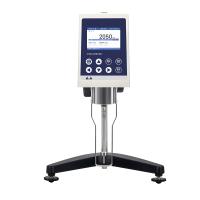
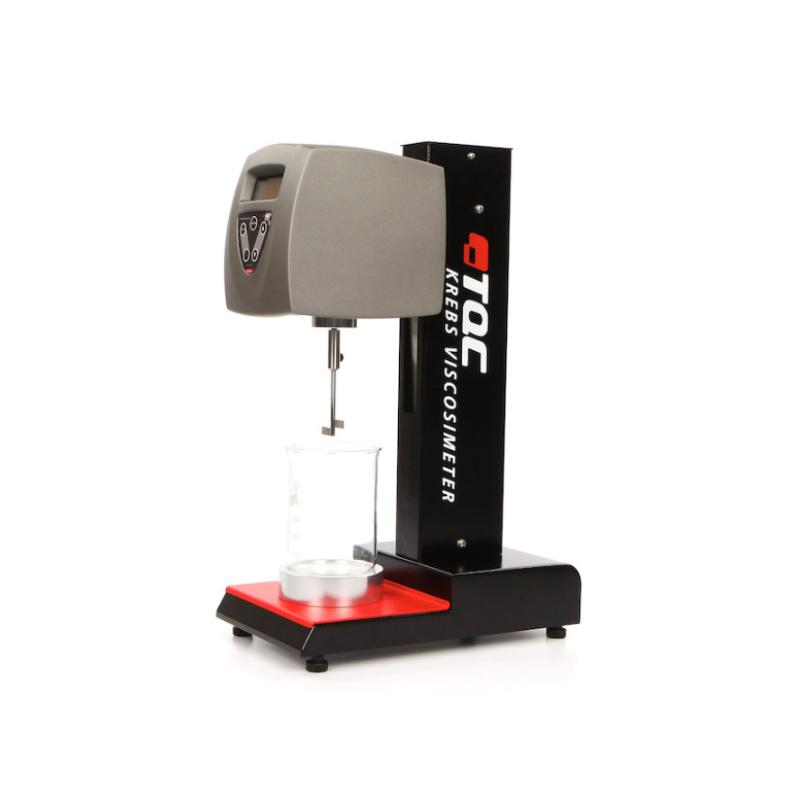
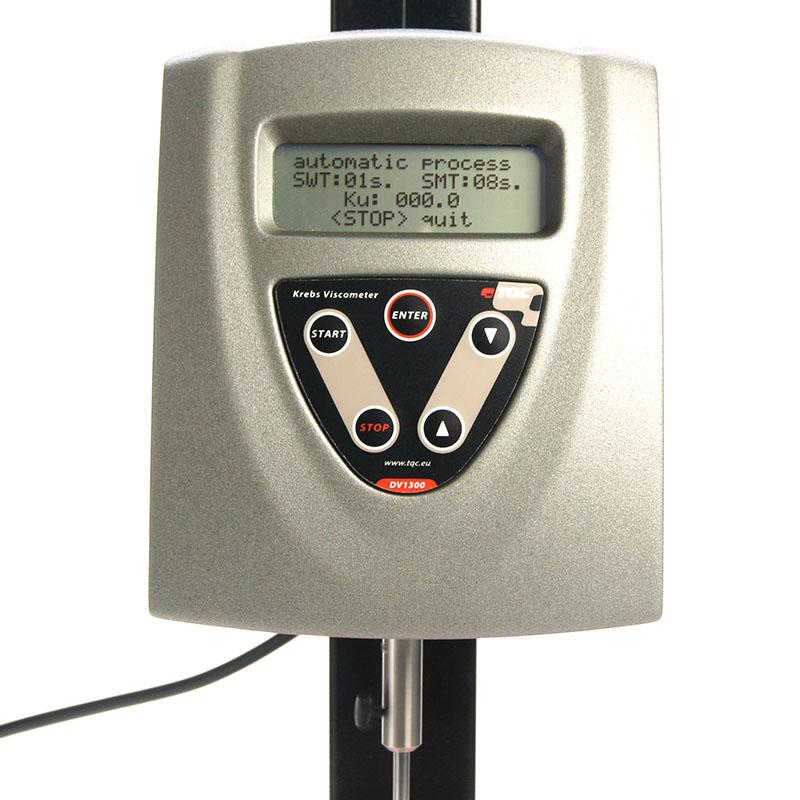
A viscometer is an instrument used to measure the viscosity of a liquid. Commonly used viscometers include rotary viscometers and vertical viscometers. The Rotational Viscometer is to place the viscometer in the liquid to be tested, and calculate the viscosity value by measuring the rotational speed and torque of the Rotational Viscometer. The vertical viscometer is to place the viscometer in the paint container, and calculate the viscosity value by measuring the force required by the paint when the viscometer rises.
Flow cup measurement method:
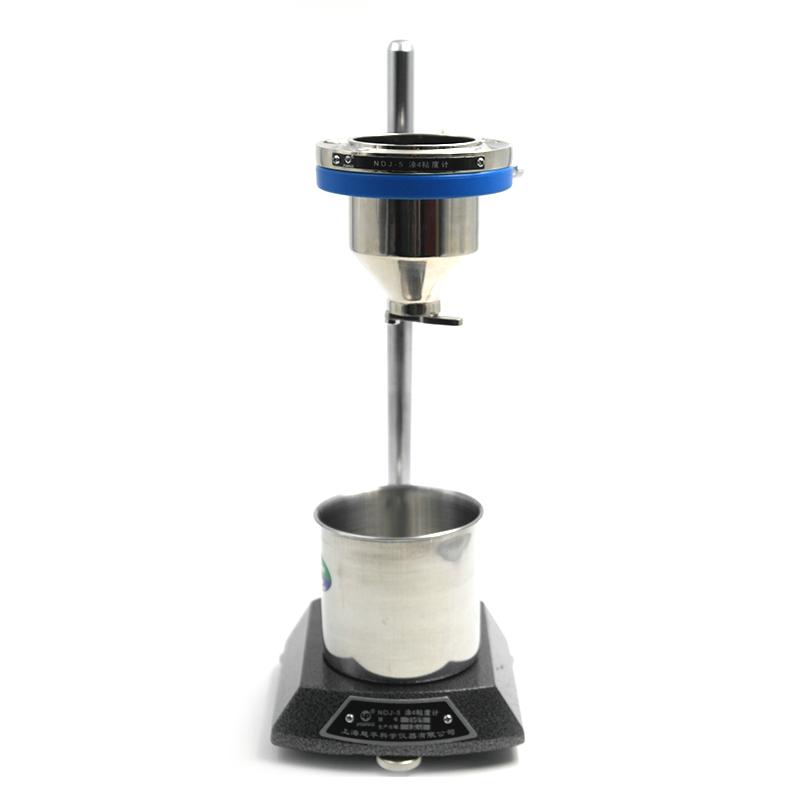
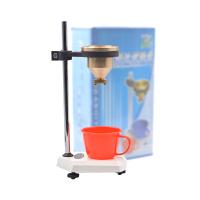
A Flow Cup is a tool used to measure the viscosity of paint, usually a Fox Flow Cup or a Duin Flow Cup. When measuring, place the Flow Cup upside down in the container, then pour out a certain amount of paint, and record the time required for the paint to flow out of the cup. Viscosity values are calculated from time and the diameter of the orifice.
Either way, measurements are made at a fixed temperature and calculated using standard viscosity formulas.
NBCHAO reminds you: both the Rotational Viscometer method and the Flow Cup method are used to measure the viscosity of liquids, but the principles and operating procedures are slightly different. The measurement principles and operation steps of these two methods will be described in detail below.
Rotational Viscometer method
A Rotational Viscometer is an instrument used to measure the viscosity of a liquid, mainly composed of a rotor, a housing, a measuring system and a motor. When measuring, pour the liquid to be tested into the Rotational Viscometer, and then start the motor to make the rotor start to rotate. During the rotation, the liquid will generate resistance to the rotor, and the resistance is proportional to the viscosity of the liquid. By measuring the rotational speed and torque of the rotor, the viscosity of the liquid can be calculated.
The specific operation steps are as follows:
Step 1: Pour the liquid to be tested into the Rotational Viscometer, and note that the temperature of the liquid should be the same as the standard temperature.
Step 2: Put the rotator into the liquid and make sure the rotator is parallel to the liquid surface.
Step 3: Start the motor to make the rotor start to rotate.
Step 4: After waiting for the rotation to stabilize, record the rotation speed and torque of the rotor.
Step 5: Use the standard viscosity calculation formula to calculate the viscosity value of the liquid according to the speed and torque.
Flow Cup method
The Flow Cup method is a method used to measure the viscosity of a liquid, usually using a Ford Flow Cup or Tu-4 cup, Zahn cup. When measuring, place the Flow Cup upside down in the container, then pour out a certain amount of liquid to be tested, and record the time required for the liquid to flow out of the cup mouth. Viscosity values are calculated from time and the diameter of the orifice.
The specific operation steps are as follows:
Step 1: Place the Flow Cup upside down in the container, and adjust the height of the mouth of the cup and the liquid surface.
Step 2: Pour the liquid to be tested into the Flow Cup, and start timing when the liquid level is stable.
Step 3: Record the time it takes for the liquid to flow out of the mouth of the cup, and record the diameter of the outlet.
Step 4: Use the standard viscosity calculation formula to calculate the viscosity value of the liquid according to the time and the diameter of the outlet.
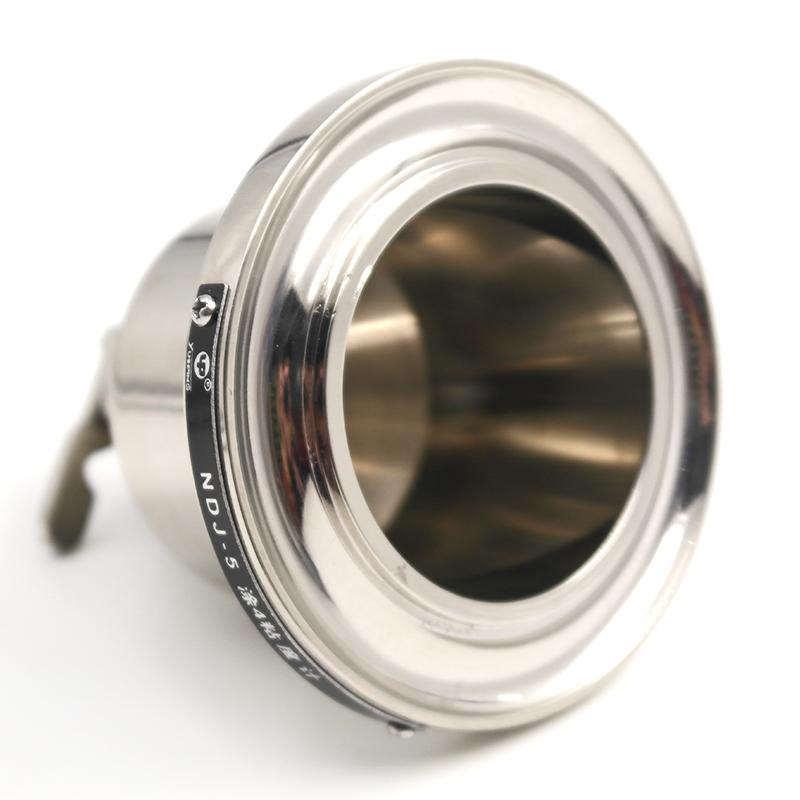
In addition, please note that the Flow Cup method is only suitable for low viscosity liquids. If the liquid viscosity is too high, the outflow port may be blocked, resulting in inaccurate measurement. In addition, it is necessary to pay attention to temperature and operating specifications when taking measurements to ensure the accuracy and reliability of measurement results.
Both the Rotational Viscometer method and the Flow Cup method are commonly used liquid viscosity measurement methods, each with its own advantages and disadvantages. The Rotational Viscometer method is suitable for liquids with high viscosity, and the measurement accuracy is high, but requires more complicated instruments and operations; the Flow Cup method is suitable for liquids with low viscosity, and the operation is simple, but the accuracy is relatively low. When choosing a specific measurement method, it needs to be considered comprehensively according to the actual situation and the required accuracy.




- 1Rotational viscometer - principle, classification, application and calibrating
- 2Application of NDJ-8S digital Rotational Viscometer in viscosity measurement of cosmetic raw materials
- 3NDJ-5S digital Rotational Viscometer accurate measurement of natural oil viscosity
- 4Viscosity of polypropylene (PP) amide measured by NDJ Viscometer
- 5Application of HBDV-1H swirl/spin High Temperature Viscometer in Viscosity Determination of Plastic Particles
- 6Rotational viscometer selection guide: How to choose the right viscosity equipment for you?
- 7Principle, type and accuracy control of Rotational Viscometer
- 8Which Viscometer to Choose for Licorice Extract Viscosity Testing? How to Test?
- 9Application of Rotational viscometer in Waterborne Polyurethane Adhesive