How does Colorimeter detect particulate matter (PM) color differences?
Difficulties in particle color difference detection
The difficulty in detecting color difference of particles is mainly that the shape and uneven distribution of particles will affect the distribution and uniformity of color, so it is difficult to accurately measure the color difference; secondly, the color of particles may be affected by light reflection and refraction, resulting in color variations. Variation and inhomogeneity; in addition, the amount and concentration of particulate matter can affect color measurements, making color variations more complex and difficult to measure. Therefore, the detection of color difference of particles requires the use of sophisticated testing methods and instruments, combined with the actual situation for comprehensive analysis and judgment, in order to accurately measure the color difference.
Principle of Spectrophotometer
A Spectrophotometer is an instrument used to measure the absorption, reflection or transmission of light by a substance. Its principle is based on spectroscopic technology and photoelectric detection technology. The white light emitted by the light source is divided into light of different wavelengths by a spectroscope to form a continuous spectrum. The sample is irradiated through the sample chamber or the quartz glass cell and absorbs, reflects or transmits the light therein. The beam splitter recombines the light passing through the sample, and the intensity of the light is detected by a photoDetector. The detected light intensity is compared to the light intensity that does not pass through the sample to determine how much the sample absorbs, reflects, or transmits the light. Analyze the test results to obtain the absorption spectrum, reflection spectrum or transmission spectrum of the sample, and then calculate the parameters such as chromaticity, color difference, and light transmittance of the sample.
The principle of Spectrophotometer is based on absorption spectroscopy, which analyzes the color and chemical composition of substances by detecting the absorption of different wavelengths of light by substances. The instrument has the advantages of high precision, high sensitivity, and wide wavelength range, and is widely used in the analysis and detection of chemistry, biology, medicine, food, pharmaceuticals and other fields.
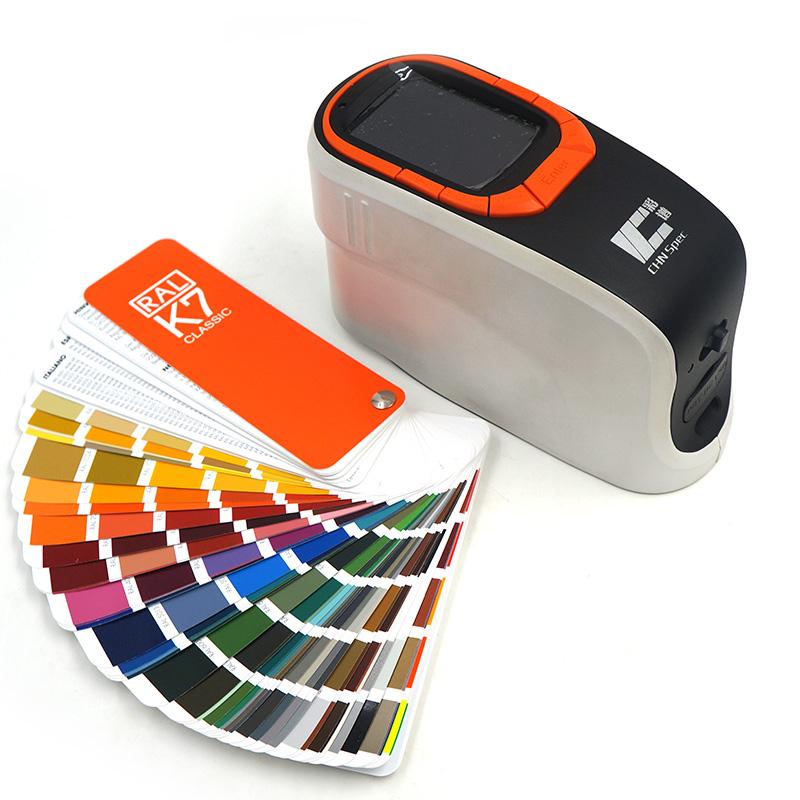
Specific measurement steps
A sample of the particulate matter to be tested is prepared, usually by suspending it in a solution or by applying it to a swatch.
Calibrate the Spectrophotometer to the appropriate conditions, including light source type, measurement geometry and wavelength range, etc.
The sample is placed in the sample chamber or quartz glass cell, and the spectrum is scanned to obtain the absorption spectrum or reflection spectrum of the particles.
According to the absorption spectrum or reflection spectrum of the particles, the chromaticity parameters of the particles are calculated, including parameters such as L a b*, L C h, etc.
Compare the chromaticity parameters of different particulate matter samples, calculate the color difference value between them, and obtain the degree of color difference between the particulate matter samples.
Beichao reminds you that the preparation of particulate matter samples and the accuracy of measurement conditions will directly affect the accuracy and reliability of measurement results. Therefore, before the measurement of particle color difference, it is necessary to carefully prepare the sample, select the appropriate measurement geometry and measurement conditions, and then ensure the accuracy and repeatability of the measurement results.
- 1Colorimeter Selection Guide [NBchao Brief Version]
- 2What is the difference between tristimulus Colorimeter and Colorimeter?
- 3How to detect the color difference of fluorescent color-changing materials?
- 4Application of Colorimeters in paint&Coating color difference detection
- 5Application in color difference detection of automobile surface painting
- 6Several selection points about food Colorimeters
- 7Selection points of portable Spectrophotometer
- 8Non-contact Colorimeter selection considerations
- 9Measuring Color Difference in the Coatings Industry
Cheryl Roberts
-
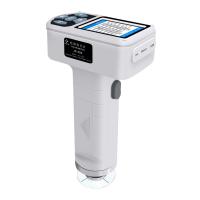
![KINGWELL JZ-350 Colorimeter 8mm caliber, suitable for plastic, lame plating, design, printing, clothing, printing and dyeing, etc]()
-
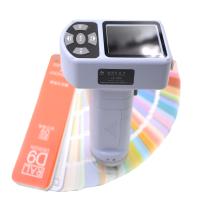
![KINGWELL JZ-300 general Colorimeter 8mm diameter, plastic, lame plating, Eletroplating, printing industry special]()
-
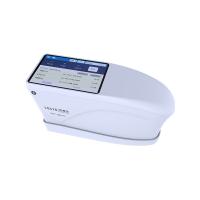
![CHINA LS176 Colorimeter Colorimeter]() CHINA LS176 Colorimeter Colorimeter$ 632.00
CHINA LS176 Colorimeter Colorimeter$ 632.00 -
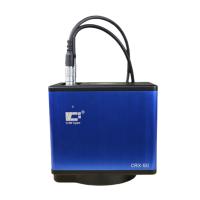
![CHNSPEC CRX-50 Online Colorimeter, Non-Contact Colorimeter]()
-
![CHNSPEC CRX-51 Non-Contact Colorimeter]() CHNSPEC CRX-51 Non-Contact Colorimeter$ 11243.00
CHNSPEC CRX-51 Non-Contact Colorimeter$ 11243.00 -
![CHNSPEC CRX-52 Automotive Paint Online Colorimeter]()