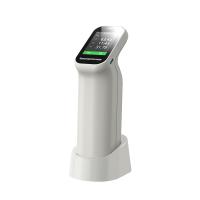
Liquid color difference detection solution
Difficulties in liquid color difference detection
Difficulties in liquid color difference detection include the influence of temperature, light, vibration and other factors in the process of sampling, preparation and storage, resulting in instability and changes in the sample; in addition, the color difference measurement accuracy of liquid samples is more difficult to control than solid samples, and high Accuracy of the instrument, and the optical path of the sample and the cleanliness of the container will also affect the measurement accuracy. Therefore, in the liquid color difference detection, it is necessary to pay attention to the processing and protection of the sample, as well as the accuracy and reliability of the instrument, in order to obtain accurate color difference data.
Liquid color difference detection scheme
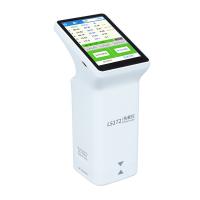
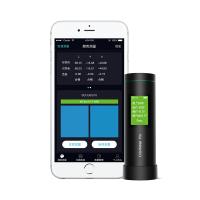
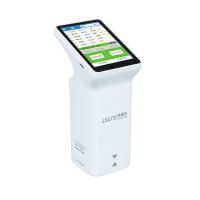
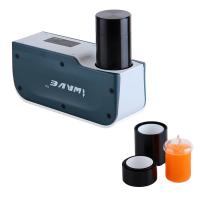
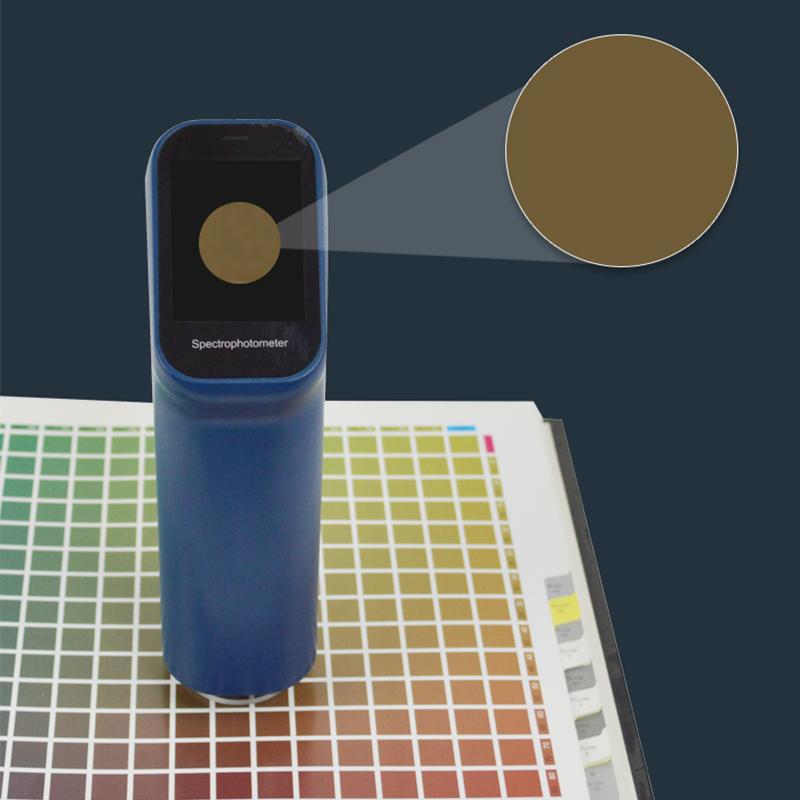
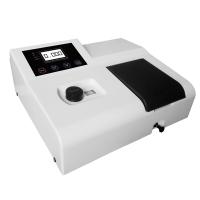
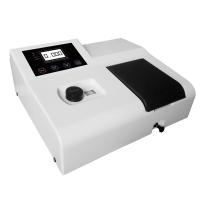
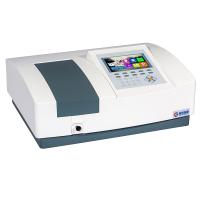
Liquid color difference detection usually requires the use of a dedicated Spectrophotometer or color difference meter. The following are the general steps and precautions for liquid color difference detection:
step:
Prepare the liquid sample to be tested and put it into a colorless and transparent sample container.
Clean the light path of the Spectrophotometer or Colorimeter to ensure accurate measurements.
Place the sample container on the sample stage of the Spectrophotometer or Colorimeter, and perform baseline calibration.
Take measurements and record the color and color difference values.

Precautions:
The preparation and storage of liquid samples should be carried out in a dark and low-temperature environment to avoid sample changes and instability.
The sample container should be colorless and transparent, and it needs to be kept clean and free of impurities to ensure the accuracy of the measurement.
Before the measurement, the baseline calibration of the instrument should be carried out to avoid the error of the instrument itself from affecting the measurement results.
It is necessary to pay attention to the ambient temperature and humidity of the measurement, as well as the intensity and color temperature of the light, these factors may affect the measurement results.
When operating the instrument, the operating specifications of the instrument instruction manual should be followed to ensure safe and correct use.




- 1Color difference meter and its application in Coating production
- 2Application of color reader in paper color difference control
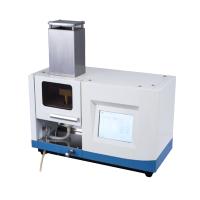
- 3Application of Flame Atomic Absorption Spectrophotometry in Detection of Food Talc Powder
- 4Talking about the performance test of epoxy resin film coated on PET
- 5Spectrophotometer principle, structure and application do you know geometry?
- 6Principle, characteristics and application of Spinning & weaving precision color difference instrument
- 7Principle, characteristics and application of ultraviolet Spectrophotometer
- 8Detection of film color retention with color reader
- 9Optical inspection structure for color readers: D/8 D/0 45 °/0