Test Scheme for Temperature and Moisture Resistance of Packaged IC Chips
What is a packaged IC chip?
Packaging IC chips is the process of connecting the circuits inside the chip with the pins outside the chip for integration with other circuit boards or devices. An IC chip usually consists of a tiny silicon chip with millions of transistors and other electronic devices on it. Packaging is the process of placing the tiny chip in a support structure and adding a protective casing around the chip for physical and electrical protection.
The main purpose of encapsulating IC chips is to machine electronic devices so that they can be easily mounted on circuit boards, and to protect the chips from damage from mechanical stress, chemical corrosion, electrostatic discharge, and other environmental factors. There are many types of packaging for IC chips, such as:
DIP package: It is one of the earliest IC package forms, that is, dual in-line package. Its pins are arranged in two parallel rows, making it easy to plug and unplug a standard IC socket.
QFP package: is a more compact form of packaging, also known as a quad flat pack. The QFP package uses surface mount technology so that the pins of the chip can be soldered directly to the pins on the circuit board, saving space and improving performance.
BGA package: It is a better form of IC package, also known as ball grid array package. The BGA package uses an array of ball pads, allowing IC chips to be mounted on smaller circuit boards and improving chip speed and reliability.
Packaging IC chips is the process of transforming tiny chips into practical electronic devices, and it is an important part of modern electronic technology that needs no repetition. With the continuous advancement of technology, packaging technology is also developing, providing more possibilities for chip performance and applications.
Detection performance
The inspection of packaged IC chips needs to inspect the following properties:
Appearance inspection: Check whether the shape, size, flatness and surface condition of the packaged IC chip shell meet the requirements, and whether there are defects such as cracks, protrusions and depressions.
Pin electrical performance inspection: Check whether the electrical connection performance of the chip pins is normal, including the contact, solderability and electrical conductivity of the pins.
Electrical performance testing: Check whether the electrical characteristics of the IC chip meet the specifications and requirements, such as operating voltage, current, power, frequency, timing and other parameters.
Functional performance testing: Check whether the function of the IC chip is normal, including analog circuits, digital circuits, memory, interfaces and other functions.
Temperature characteristic test: Check the performance of the IC chip at different temperatures to ensure that it can work normally under various environmental conditions.
Reliability testing: Check the reliability and durability of IC chips, such as electrostatic discharge, mechanical stress, temperature cycle and other tests.
These inspection items are very important to ensure the quality and reliability of packaged IC chips, and at the same time reduce production costs and maintenance costs, and improve production efficiency and user satisfaction.
Temperature and humidity resistance test method
The method of testing moisture resistance is usually to conduct salt spray corrosion test and constant humidity heat test.
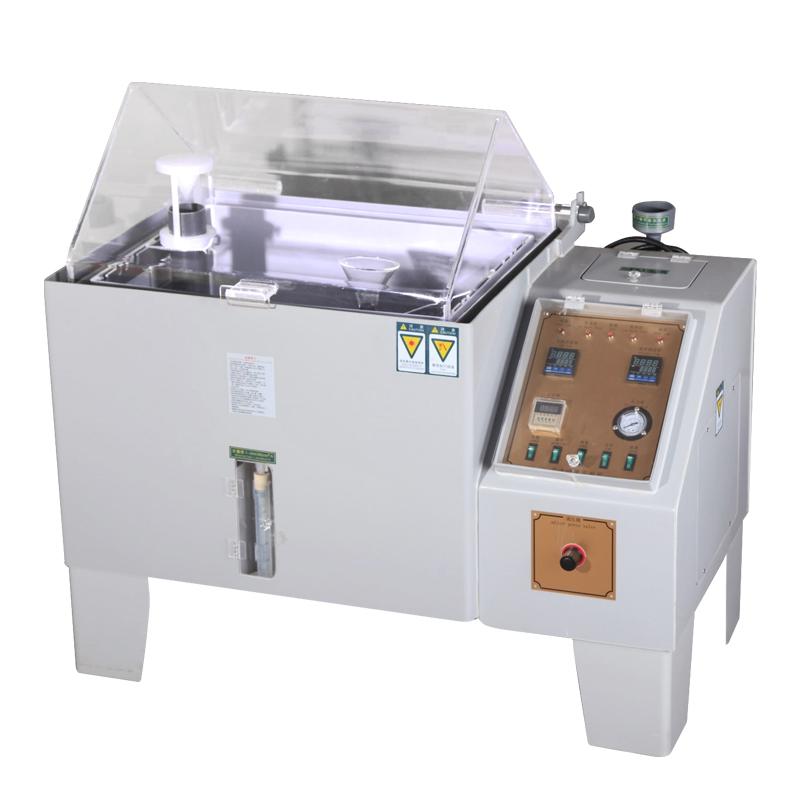
The salt spray corrosion test is to expose electronic components to high humidity, high temperature and corrosive gas environment by spraying a salt spray solution containing sodium chloride and water in the equipment to test whether they can operate normally in harsh environments. Specific steps are as follows:
Put the electronic components to be tested into the salt spray corrosion test equipment.
Start the equipment, spray the salt spray solution containing sodium chloride and water, and expose the electronic components to high humidity, high temperature and corrosive gas environment.
Testing continues for a period of time (typically hours to hundreds of hours), during which changes in the appearance and performance of electronic components are periodically observed.
After the test, the electronic components are disassembled and inspected to assess their resistance and performance during the salt spray corrosion test.
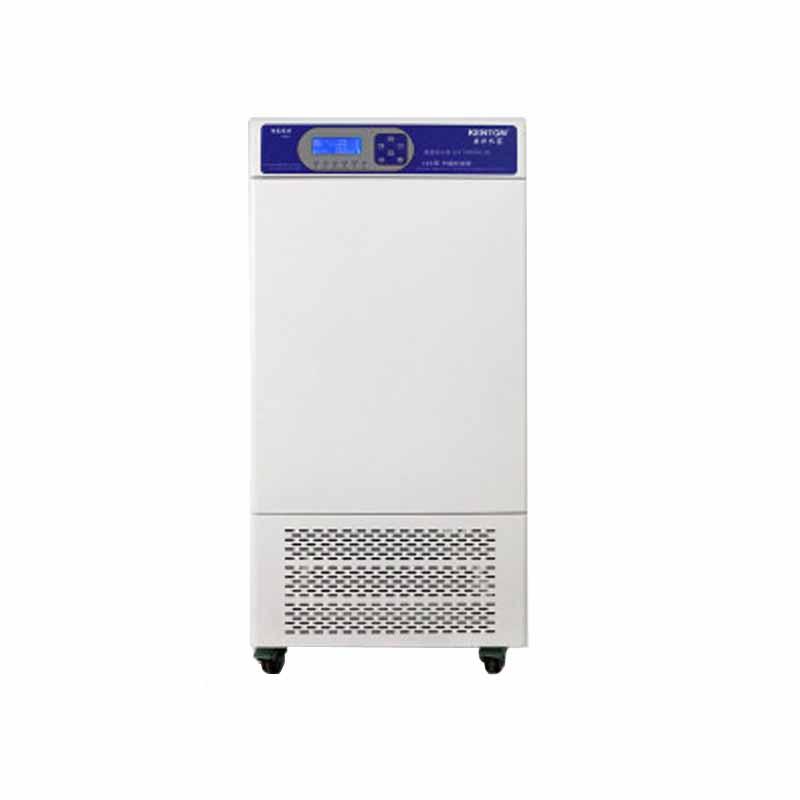
The constant humidity and heat test is to test whether the electronic components can operate normally in a humid environment by exposing them to high humidity and high temperature environments in the equipment. Specific steps are as follows:
Put the electronic components to be tested into the constant humidity and heat test equipment.
Set constant high-humidity and high-temperature environment parameters, such as a temperature of 85°C and a humidity of 85%.
Testing continues for a period of time (typically hours to hundreds of hours), during which changes in the appearance and performance of electronic components are periodically observed.
After the test, the electronic components are disassembled and inspected to evaluate their resistance and performance during the constant humidity and heat test.
These test methods can test the resistance and performance of electronic components in high humidity and high temperature environments to evaluate their reliability and durability in wet and corrosive environments.
Test environment requirements
The importance of test conditions to the accuracy and reliability of test results cannot be overemphasized. Generally speaking, the test conditions should comply with the corresponding test standards or specifications, and the following requirements need to be paid attention to:
Temperature and humidity requirements: During the test, the corresponding temperature and humidity conditions should be set according to the requirements of standards or specifications. In general, the temperature of the salt spray corrosion test is 35°C-50°C, and the humidity is 95%-100%; the temperature of the constant humidity heat test is 85°C, and the humidity is 85%.
Test time requirements: During the test, the corresponding test time should be set according to the requirements of the standard or specification. Under normal circumstances, the time of the salt spray corrosion test ranges from 24 hours to 1000 hours; the time of the constant humidity heat test is generally about 1000 hours.
Concentration requirements of salt spray solution: The concentration of salt spray solution in salt spray corrosion test should be set according to the requirements of standards or specifications. Under normal circumstances, the concentration of salt spray solution is 5%.
Requirements for test equipment: The test equipment should have corresponding temperature and humidity control systems to ensure the stability and reliability of the test conditions. At the same time, the material of the test equipment also needs to meet the requirements of the standard or specification.
Preparation requirements for test samples: test samples should meet the requirements of standards or specifications, and their relevant information, such as sample number, batch number, manufacturer, etc., should be accurately recorded.
Test record requirements: During the test process, it is necessary to accurately record the test conditions, test time, test results and other information, and keep relevant test data and records for subsequent reference and analysis.
When testing the moisture resistance of electronic components, the following aspects need to be paid attention to:
The corresponding test standards or specifications should be carefully read before the test to ensure that the test conditions meet the requirements, thereby ensuring the accuracy and reliability of the test results.
The selection of test samples should meet the requirements of standards or specifications. At the same time, attention must be paid to factors such as batches and quality of samples to minimize test errors.
Before the test, check whether the test equipment is working normally, and set the corresponding test conditions according to the test standards or specifications.
During the test, the status of the test equipment and samples should be checked regularly to ensure the stability and reliability of the test conditions. At the same time, be sure to pay attention to the deformation and damage of the sample, record and deal with it in time.
During the testing process, the hygienic environment and safety conditions of the laboratory should be guaranteed to avoid affecting the test results.
After the test is completed, it is necessary to analyze and count the test data, and record the test results in time for subsequent analysis and reference.
In order to avoid unnecessary problems during the test, it is necessary to carefully read the user manual and operate in strict accordance with the instructions, while avoiding damage or errors caused by improper operation.
In short, when conducting moisture resistance testing of electronic components, it is necessary to carefully operate in accordance with the testing standards or specifications to ensure the stability and reliability of the test conditions in order to obtain accurate and reliable test results.









- 1GB/T 10586-2006 Detailed explanation: Core technical indicators and acceptance specifications for damp heat Test Chamber
- 2Humidity chamber core components dismantling: how to select compressors/Sensors
- 3Inaccurate lab data? 90% of people ignore Test Chamber calibrating issues
- 4Chip high-low temperature heat and humidity performance test
- 5Application of Humidity Chamber in building materials and flooring industry
- 6Principle, application and selection of programmable Humidity Chamber for die casting
- 7Humidity Humidity Chamber principle, application and selection
- 8Principle, application and selection of field effect transistor programmable Humidity Chamber
- 9Principle, application and selection of luggage Humidity Chamber