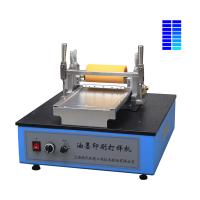
Application of Manual Ink Proofer
A manual ink proofer is a device used in the printing industry to create color proofs or samples of printed materials, such as packaging, labels, and other printed products. It is a small-scale printing press that allows printers to test and verify the colors, quality, and appearance of a printed piece before running a full-scale production job. Manual ink proofers are commonly used in the flexographic, gravure, and offset printing processes.
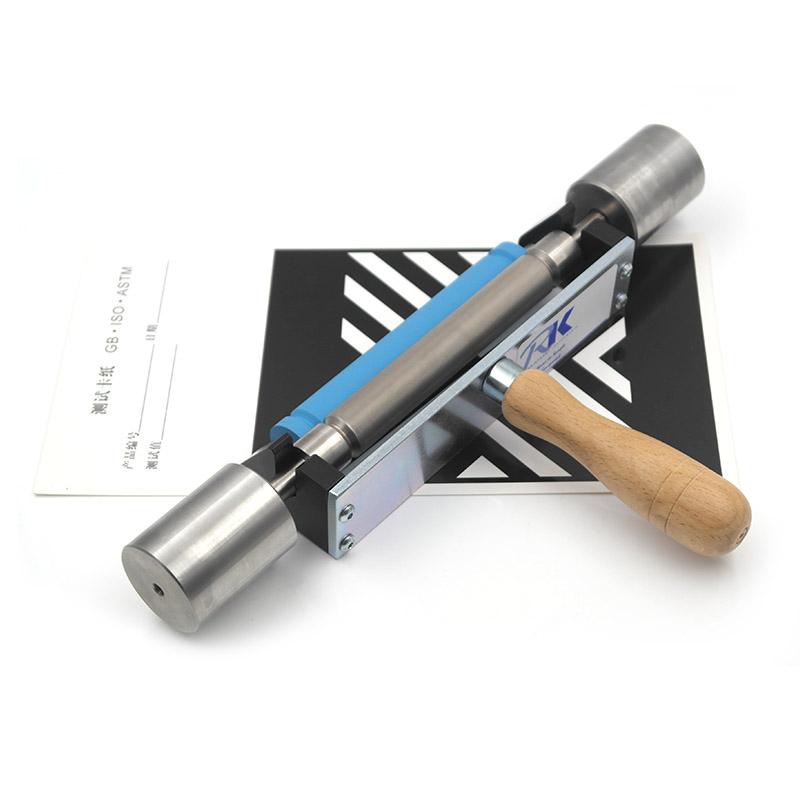
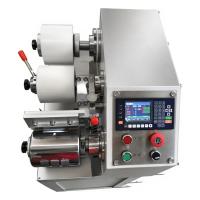
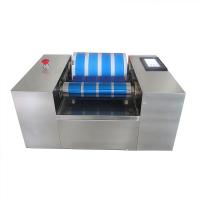
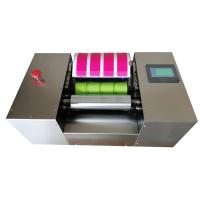
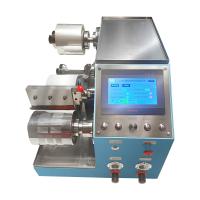
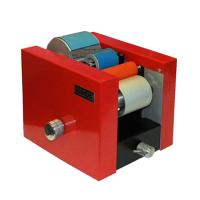
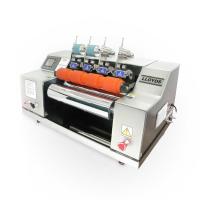
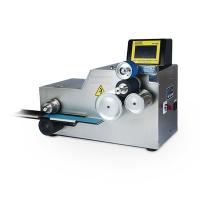
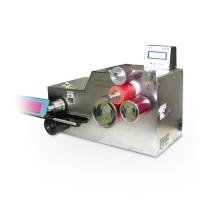
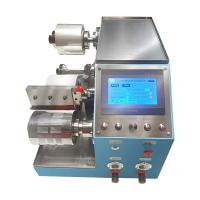
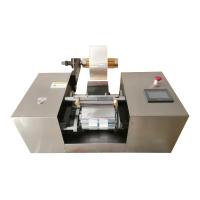
A manual ink proofer typically consists of a printing unit, ink fountain, impression cylinder, and substrate feeding system. The printing unit is usually equipped with one or more printing plates or cylinders that transfer ink to the substrate to create the desired image or design. The ink fountain holds the ink, and the impression cylinder applies pressure to transfer the ink from the plate or cylinder onto the substrate.
The substrate feeding system of a manual ink proofer can vary depending on the type of proofer. It may involve manually feeding individual sheets of substrate, such as paper or film, into the printing unit, or it may have a continuous substrate feeding mechanism that allows for larger rolls of substrate to be used. The substrate used in a manual ink proofer is typically similar to the actual substrate that will be used in the production printing job to accurately simulate the printing conditions.
Manual ink proofers are often used for color matching, ink formulation, and print quality testing. They allow printers to assess the color accuracy, coverage, dot gain, and other print characteristics of a specific ink formulation or printing process. Manual ink proofers are also used for customer approvals, press set-up verification, and other quality control purposes to ensure that the final printed product meets the desired specifications.
Using a manual ink proofer typically involves setting up the ink fountain, mounting the appropriate printing plate or cylinder, loading the substrate, adjusting the ink density and impression settings, and running a small print job to create the ink proof. The printed proof can then be compared to a reference color standard or customer-approved color sample for evaluation and approval.
Manual ink proofers are available in various sizes, configurations, and capabilities to accommodate different printing requirements. They can be an essential tool for printers to ensure accurate color reproduction, print quality, and customer satisfaction in their printing processes.
Some additional points to consider when using a manual ink proofer include:
Ink formulation: Manual ink proofers are often used for ink formulation or color matching purposes. Printers can use the proofer to test different ink formulations or color combinations to achieve the desired color accuracy and consistency. By adjusting the ink density, ink formulation, and other printing parameters, printers can fine-tune the ink formulation for optimal results in the production printing job.
Substrate compatibility: It's important to use the same type of substrate in the manual ink proofer as will be used in the actual production printing job. This ensures that the ink proof accurately reflects the print results on the intended substrate. Consider the substrate characteristics, such as surface roughness, porosity, and color, to ensure compatibility and accuracy in the proofing process.
Calibration and standardization: Manual ink proofers should be calibrated and standardized regularly to ensure accurate and consistent results. This may involve calibrating the ink density, impression settings, and other parameters to match the printing conditions of the production press. Using calibrated color standards or Spectrophotometer s can help ensure accurate color matching and consistency in the proofing process.
Operator skill and experience: The skill and experience of the operator using the manual ink proofer can significantly impact the accuracy and quality of the ink proofs. Proper training and understanding of the printing process, color management, and proofing techniques are important to ensure reliable and consistent results. Operator skill and experience are particularly crucial when matching colors to specific customer requirements or print standards.
Proof evaluation: Careful evaluation of the ink proofs is essential to verify color accuracy, print quality, and other parameters. The proofs should be compared to the reference color standard or customer-approved color sample to ensure that they meet the desired specifications. Any necessary adjustments can be made to the ink formulation or printing parameters based on the proof evaluation.
Documentation and record keeping: Maintaining proper documentation and record keeping of the ink proofing process is important for quality control and traceability. This may include recording the ink formulations, printing parameters, substrate details, and other relevant information for future reference and consistency in the printing process.
In summary, a manual ink proofer is a valuable tool in the printing industry for color matching, ink formulation, and print quality testing. Proper substrate compatibility, calibration, operator skill, and proof evaluation are essential for accurate and consistent results. Following best practices and documentation can help ensure reliable and high-quality ink proofing in the printing process.

- 1Function and maintenance of manual Ink Proofer
- 2How to calculate flexo ink consumption?
- 3Keep your screen printing customers happy with accurate printing colors
- 4Maintain your screen printing quality with proper screen tension
- 5How to choose the correct number of mesh for screen printing?
- 6Preparation of plastic water-based gravure ink by ink proofer
孙伟 - 《北京化工大学》
- 7Preparation of fluorescent anti-counterfeiting gravure ink with ink proofing machine
向华,龚逸仙,李军,林木雄,欧建志 - 《《用于塑料薄膜的荧光凹印油墨的制备与性能研究》》
- 8What faults are prone to photogravure printing? What remedies are there?
- 9How to choose these experimental coating equipment?