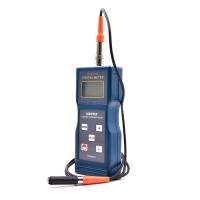
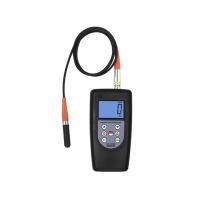
Type, application and selection method of film thickness meter
Overview
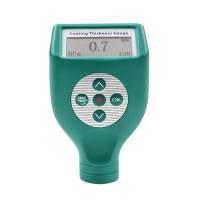
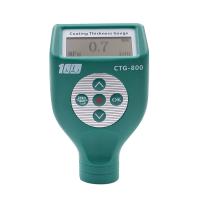
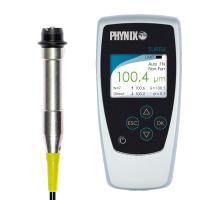
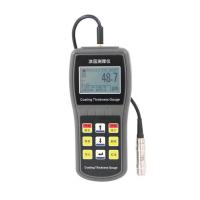
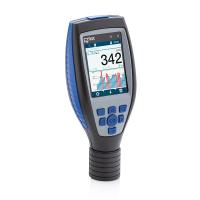
A Film Thickness Gauge, also known as a coating Thickness Gauge or paint Thickness Gauge, is a device used to measure the thickness of coatings or films applied to surfaces. It is commonly used in industries such as automotive, aerospace, electronics, and manufacturing to ensure that coatings are applied within specified tolerances and meet quality standards.
Film Thickness Gauges work based on different principles depending on the type of coating being measured. Some common types of Film Thickness Gauges include:
Magnetic Induction: These gauges use a magnetic field to measure the thickness of non-magnetic coatings on magnetic substrates. The gauge contains a magnetic probe that is placed on the coating, and the distance between the probe and the substrate is measured. The thickness of the coating is calculated based on the change in magnetic field caused by the presence of the coating.
Eddy Current: These gauges use the principle of eddy current induction to measure the thickness of non-conductive coatings on conductive substrates. The gauge emits an alternating magnetic field, and the presence of a coating on the substrate causes changes in the eddy currents, which are then measured to determine the coating thickness.
Ultrasonic: These gauges use ultrasonic waves to measure the thickness of coatings. The gauge emits ultrasonic waves that are reflected back from the coating-substrate interface, and the time taken for the waves to travel back is measured. The thickness of the coating is calculated based on the velocity of the ultrasonic waves in the coating material.
Film Thickness Gauges can be either handheld or integrated into a coating application system. They are used to measure the thickness of various coatings, such as paints, varnishes, powder coatings, and platings, on a wide range of substrates, including metal, plastic, glass, and composites. Accurate film thickness measurement is important for ensuring the quality, durability, and performance of coated products.
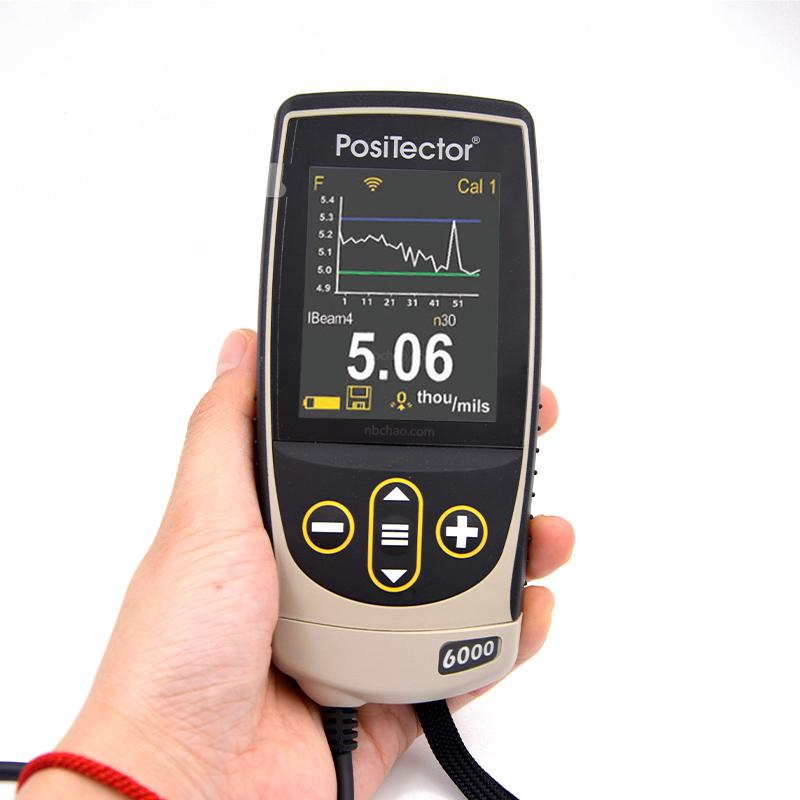
Application
Film Thickness Gauges typically provide precise and non-destructive measurements, allowing for quick and efficient evaluation of coating thickness without damaging the coated surface. They are used in quality control processes to ensure that coatings are applied to the desired thickness, to monitor coating performance over time, and to verify compliance with industry standards and specifications.
Some common applications of Film Thickness Gauges include:
Automotive industry: they are used to measure the thickness of paint coatings on car bodies and parts, ensuring that the coatings are applied uniformly and meet automotive industry standards for corrosion protection, aesthetics, and durability.
Aerospace industry: they are used to measure the thickness of coatings on aircraft components, such as wings, fuselages, and engine parts, to ensure compliance with aerospace industry standards for performance, safety, and reliability.
Electronics industry: they are used to measure the thickness of conformal coatings on printed circuit boards (PCBs) and electronic components to ensure proper insulation, protection against environmental factors, and compliance with industry standards.
Manufacturing industry: they are used in various manufacturing processes, such as metal plating, powder coating, and industrial painting, to measure and control the thickness of coatings for product quality, performance, and compliance with specifications.
Film Thickness Gauges come in various types, sizes, and measurement ranges, depending on the specific application requirements. They may have features such as digital displays, data logging capabilities, and different probe sizes for measuring coatings on different types of substrates. Proper calibration and regular maintenance of Film Thickness Gauges are important to ensure accurate and reliable measurements. Manufacturers and users of coatings often refer to industry standards and guidelines, such as ISO 2808, ASTM D7091, and SSPC-PA 2, for guidance on film thickness measurement techniques and acceptance criteria.

How to choose?
Choosing the right Film Thickness Gauge depends on several factors, including the specific application requirements, the type of coating being measured, the substrate material, the measurement accuracy needed, and the budget. Here are some considerations to keep in mind when selecting a Film Thickness Gauge:
Coating type: Consider the type of coating being measured, whether it is a magnetic or non-magnetic coating, a conductive or non-conductive coating, and its expected thickness range. Some Film Thickness Gauges are designed specifically for measuring certain types of coatings, so choose a gauge that is suitable for the coatings you work with.
Substrate material: Consider the material of the substrate being coated, such as metal, plastic, glass, or composites. Some Film Thickness Gauges are optimized for specific substrate materials and provide more accurate measurements on those materials. Ensure that the gauge is compatible with the substrate material to be measured.
Measurement accuracy: Determine the required measurement accuracy for your application. Film Thickness Gauges have different accuracy levels, usually expressed as a percentage of the reading or in micrometers (µm). Higher accuracy gauges may be needed for applications where precise coating thickness control is critical, while lower accuracy gauges may be suitable for less demanding applications.
Measurement range: Consider the expected thickness range of the coatings you need to measure. Film Thickness Gauges have different measurement ranges, and it is important to select a gauge that can accurately measure the desired thickness range of your coatings. Choose a gauge with an appropriate measurement range that covers the thicknesses you work with.
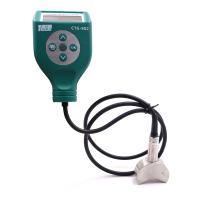
Probe size and shape: Consider the size and shape of the probe or sensor of the Film Thickness Gauge. The probe should be suitable for the shape and size of the coated surface to be measured. For example, if you need to measure coating thickness on small, curved or irregular surfaces, a gauge with a small, flexible probe may be required.
User interface and features: Consider the user interface and features of the Film Thickness Gauge. Some gauges have digital displays, data logging capabilities, statistical analysis, and other advanced features. Choose a gauge with features that are useful for your specific application and that match your preferences and requirements.
Calibration and maintenance: Consider the calibration and maintenance requirements of the gauge. Regular calibration is important to ensure accurate measurements, so choose a gauge that is easy to calibrate and has a reliable calibration process. Also, consider the maintenance requirements, such as probe cleaning and replacement, and factor those into your decision.
Budget: Film Thickness Gauges come in a range of prices, so consider your budget when selecting a gauge. While cost is an important consideration, it is also important to balance it with the accuracy, features, and performance needed for your specific application.
Standards and specifications: Consider relevant industry standards and specifications for film thickness measurement in your industry. Different industries may have specific requirements for film thickness measurement, and choosing a gauge that complies with those standards can ensure compliance with industry guidelines and specifications.
It is recommended to consult with experienced professionals or experts in the field of film thickness measurement, and carefully evaluate the specifications, features, and performance of different Film Thickness Gauges to choose the one that best meets your specific application requirements.
- 1Nondestructive measurement Coating thickness
- 2Principle, application and selection of traffic coatings Coating Thickness Gauge
- 3Principle, Application and Selection of Eddy current Coating Thickness Gauge
- 4Principle, Application and Type Selection of Electronic Coating Thickness Gauge
- 5Explore the principle, application and selection of phosphating layer Coating Thickness Gauge
- 6Principle, Application and Type Selection Analysis of Chrome Coating Thickness Gauge
- 7Principle, Application and Selection of Coating Thickness Gauge for inner wall of small pipe
- 8Basic principle and application scenario of steel Coating Thickness Gauge
- 9Principle and Application Analysis of Coating Thickness Gauge