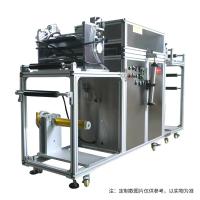
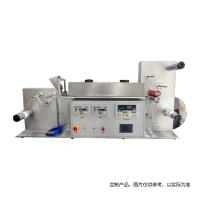
Application of Slot die coaters in Lithium Battery Coating
Slot die coaters are widely used in the production of lithium batteries for coating various layers onto battery electrodes, such as cathodes, anodes, and separators. The slot die coater provides precise and uniform coating of battery electrode materials, ensuring consistent performance and high-quality battery production. Here are some common applications of slot die coaters in lithium battery coating:
Cathode coating: Slot die coaters are used for applying cathode materials, such as lithium cobalt oxide (LiCoO2), lithium manganese oxide (LiMn2O4), and lithium iron phosphate (LiFePO4), onto the current collector substrates, typically aluminum foil. The slot die coater can control the coating thickness and uniformity of the cathode layer, which is critical for achieving consistent battery performance.
Anode coating: Slot die coaters are also used for coating anode materials, such as graphite or silicon-based materials, onto the current collector substrates, typically copper foil. The slot die coater can ensure precise coating of the anode materials, which is important for achieving optimal battery performance and cycle life.
Separator coating: Slot die coaters can be used for applying separator materials, such as polyethylene (PE), polypropylene (PP), or ceramic-coated separators, onto the coated cathode and anode layers to provide electrical insulation and prevent short-circuiting. The slot die coater can ensure uniform and thin coating of the separator materials, which is essential for maintaining the safety and performance of the lithium battery.
Electrolyte coating: In some lithium batteries, electrolyte materials may also be coated onto the electrodes using slot die coaters. Electrolytes are critical for facilitating the ion transport between the cathode and anode, and the slot die coater can provide precise control over the coating thickness and uniformity of the electrolyte layer.
Functional coatings: Slot die coaters can also be used for applying various functional coatings onto lithium battery electrodes, such as binders, conductive additives, and protective coatings. These functional coatings can enhance the performance and stability of the battery electrodes, and the slot die coater can ensure accurate and consistent application of these materials.
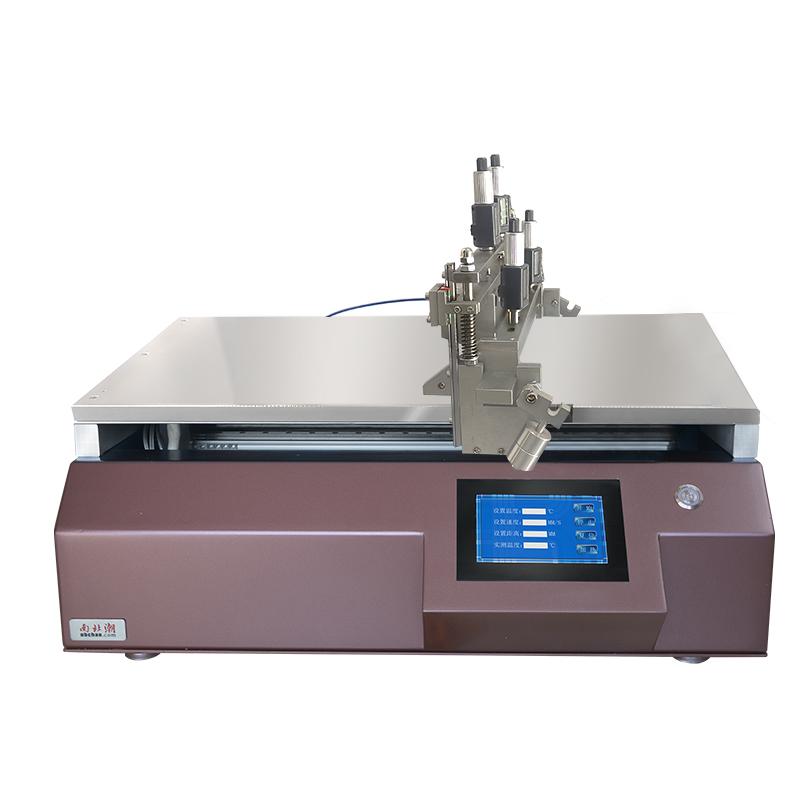
Some additional considerations for the application of slot die coaters in lithium battery coating include:
Material compatibility: Ensure that the slot die coater is compatible with the specific materials used in the lithium battery coating process. Different materials may have different viscosities, drying/curing requirements, and other characteristics that can affect the coating process. Make sure that the slot die coater is designed to handle the specific materials used in your battery production.
Coating speed and width: Consider the coating speed and width requirements of your lithium battery production process. Slot die coaters come in various sizes and configurations, and their coating speed and width capabilities can vary. Choose a slot die coater that can meet your desired production speed and coating width requirements.
Coating thickness control: Coating thickness is a critical parameter in lithium battery coating. Look for a slot die coater that offers precise and reliable coating thickness control, such as adjustable gap settings, precise metering systems, and feedback control mechanisms. This will ensure consistent coating thickness and uniformity across the battery electrodes.
Process flexibility: Consider the flexibility of the slot die coater in accommodating different coating processes and parameters. Look for features such as adjustable coating speed, temperature control, and customizable slot die designs that can allow for flexibility in coating different materials and meeting different coating requirements.
Equipment reliability and maintenance: Choose a slot die coater from a reputable manufacturer that offers reliable equipment and good after-sales support. Consider factors such as equipment durability, ease of maintenance, availability of spare parts, and technical support to ensure smooth and uninterrupted operation of the slot die coater in your lithium battery production process.
Cost-effectiveness: Evaluate the cost-effectiveness of the slot die coater in terms of its features, capabilities, and overall performance. Consider the initial purchase cost, long-term operating costs, and potential return on investment (ROI) in your decision-making process.
By carefully considering these factors, you can select a suitable slot die coater that meets your specific lithium battery coating requirements and ensures high-quality and consistent production of lithium batteries. It's also recommended to work closely with the slot die coater manufacturer or supplier to understand the technical specifications, capabilities, and limitations of the equipment, and to optimize the coating process for your specific application.The use of slot die coaters in lithium battery coating processes enables precise control over coating thickness, uniformity, and material usage, which are critical for achieving high-quality lithium batteries with consistent performance and reliability.

- 1Application and selection of laboratory coater in PDMS thin film prepative
- 2Application of doctor blade coater in electrode and solid electrolysis preparation
- 3Application case of Bar Coater coating slurry on small workpiece ceramic substrate [Experimental video demonstration]
- 4Laboratory Technology and Application of Polyvinyl Alcohol Film Coating on Ultrafiltration Membrane
- 5Several Common Experimental Spreader Methods and Their Applications
- 6Application of laboratory coater coating aluminum oxide paste on PET film
- 7Experimental test of performance of epoxy resin film coated on metal iron plate by small coater
- 8Method and application of experimental coater coating water-based slurry on aluminum foil
- 9Application of wire rod coater in hydrogen battery separator prepative