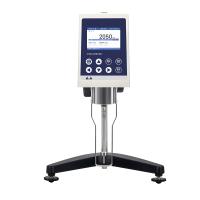
Difference between Rheo-meter and Rotational Viscometer
Rheometer and Rotational Viscometer are two types of instruments used to measure the flow behavior and viscosity of materials, such as fluids, pastes, or gels. While they are similar in many aspects, there are some key differences between them:
Principle of Operation
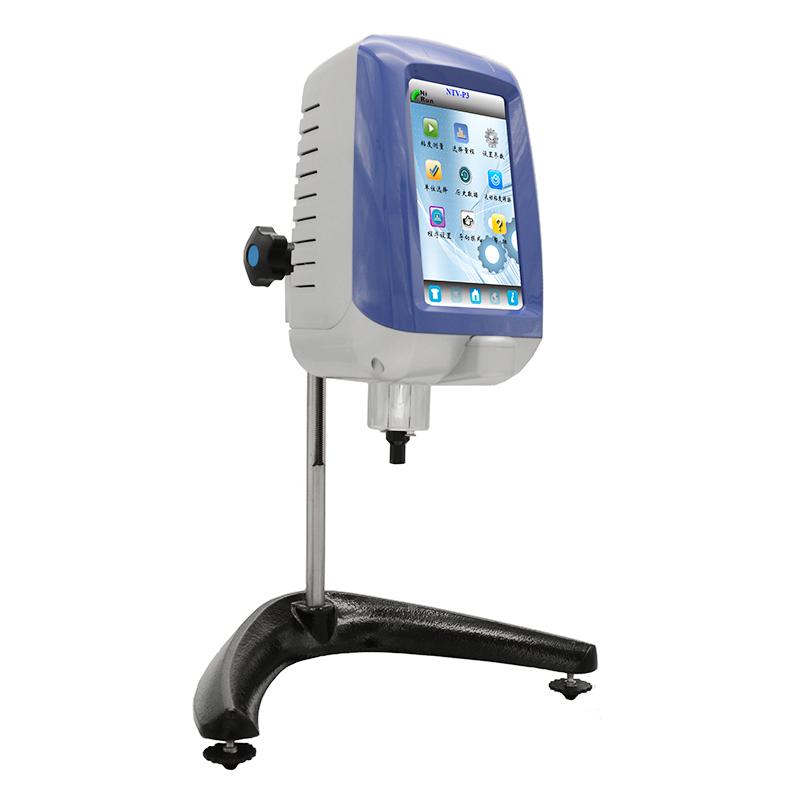
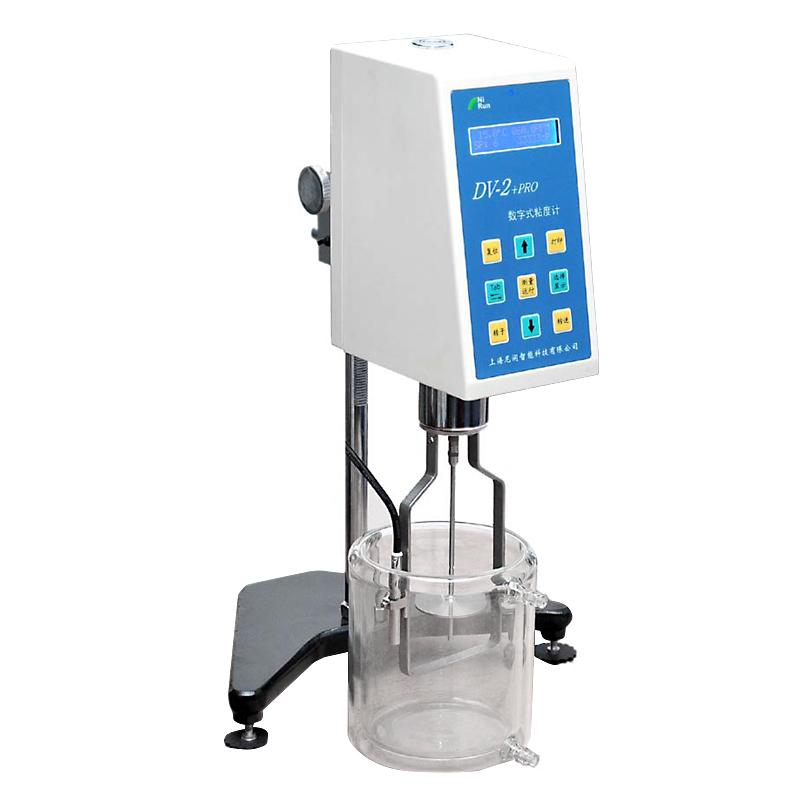
Rheometer measures the rheological properties of materials, which include their flow behavior, elasticity, and viscoelasticity. It applies controlled stress or strain to the material and measures its response, such as shear stress, shear rate, or torque. Rheometers are typically capable of performing both stress-controlled and strain-controlled tests, and can provide more comprehensive information about material behavior under different conditions. On the other hand, a Rotational Viscometer measures the viscosity of materials by rotating a spindle or a bob immersed in the material and measuring the torque or resistance encountered by the spindle as it rotates. Rotational viscometers are typically used for measuring the viscosity of Newtonian fluids, which have a constant viscosity regardless of shear rate or shear stress.
Test Modes and Capabilities
Rheometers typically offer a wider range of test modes and capabilities compared to Rotational Viscometers. Rheometers can perform various types of tests, such as shear rate sweeps, stress sweeps, creep tests, oscillatory tests, and other specialized tests to characterize the complex flow behavior and viscoelastic properties of materials. Rheometers are also capable of measuring material properties under different temperature, pressure, or frequency conditions, making them more versatile for a wide range of applications. Rotational viscometers, on the other hand, are primarily designed for measuring the viscosity of materials under rotational shear, and are generally limited to measuring the viscosity of Newtonian fluids within a specific shear rate range. They may not be suitable for characterizing complex flow behavior, such as yield stress, thixotropy, or viscoelasticity, which require more advanced rheological measurements.
Sample Handling and Size Limitations
Rheometers typically allow for more flexibility in sample handling and size limitations compared to Rotational Viscometers. Rheometers can accommodate a wider range of sample types, including liquids, pastes, gels, powders, and solids, and can handle larger sample sizes. They often offer options for customizing sample geometries and sizes to suit the specific material being tested. Rotational viscometers, on the other hand, usually have limitations in terms of sample handling and size. They are typically designed for measuring small sample volumes, and may not be suitable for testing materials with high viscosity or non-Newtonian behavior, or materials that require large sample sizes.
Data Analysis and Interpretation
Rheometers typically provide more advanced data analysis and interpretation capabilities compared to Rotational Viscometers. Rheometers often come with dedicated software for data analysis, which allows for more sophisticated calculations, modeling, and graphical representations of rheological data. This can enable more in-depth characterization and understanding of material behavior, which can be useful in research, development, and quality control applications.Rotational viscometers, on the other hand, usually provide basic viscosity measurements, and may have limited data analysis and interpretation capabilities. They typically provide simple viscosity readings or flow curves, which may be sufficient for basic viscosity measurements, but may not offer advanced rheological insights.
Anyway, while both rheometers and Rotational Viscometers are used for measuring the flow behavior and viscosity of materials, rheometers generally offer more advanced capabilities for characterizing complex materials, while Rotational Viscometers are typically more limited in their capabilities and suitable for simpler viscosity measurements of Newtonian fluids. The choice between the two instruments depends on the specific needs of the application, the complexity of the material being tested, and the level of analysis and characterization required.
- 1Rotational viscometer - principle, classification, application and calibrating
- 2Application of NDJ-8S digital Rotational Viscometer in viscosity measurement of cosmetic raw materials
- 3NDJ-5S digital Rotational Viscometer accurate measurement of natural oil viscosity
- 4Viscosity of polypropylene (PP) amide measured by NDJ Viscometer
- 5Application of HBDV-1H swirl/spin High Temperature Viscometer in Viscosity Determination of Plastic Particles
- 6Rotational viscometer selection guide: How to choose the right viscosity equipment for you?
- 7Principle, type and accuracy control of Rotational Viscometer
- 8Which Viscometer to Choose for Licorice Extract Viscosity Testing? How to Test?
- 9Application of Rotational viscometer in Waterborne Polyurethane Adhesive