Purpose and method of durability testing of building materials
Detection purpose
Building materials should be tested for durability to ensure they can withstand expected environmental exposure and effectively perform their intended function over their useful life. Durability testing is important for the following reasons:
Performance Assurance: Durability testing helps ensure that building materials meet their performance requirements and perform as intended under real-world conditions. This is especially critical for materials used in structural applications, such as foundations, walls, roofs and floors, where failure due to degradation or deterioration can have serious consequences. Durability testing helps verify that building materials can withstand external elements, such as humidity, temperature changes, chemical exposure, and weathering, that may be encountered during their useful life without significant degradation.
Long-term cost savings: Durability testing helps identify potential problems or weaknesses in building materials before they are used in construction. This prevents premature failure, replacement or repair, which can result in significant costs associated with labor, materials and interruption of construction schedules. Durability testing helps avoid costly failures or replacements in the future, resulting in long-term cost savings by ensuring that building materials are durable, reliable, and able to withstand expected environmental exposure.
Sustainability and Environmental Impact: Durability testing is important for assessing the sustainability and environmental impact of building materials. Building materials that degrade prematurely or deteriorate can lead to increased waste generation, increased resource use, and increased environmental impact. Durability testing helps ensure that construction materials can withstand prolonged environmental exposure, reducing the need for replacement and minimizing the environmental impact associated with material use and disposal.
Compliance with Codes and Standards: Many construction materials are subject to codes, codes and standards that dictate durability requirements. Durability testing is often required to demonstrate compliance with these requirements, ensuring that building materials meet the minimum durability standards set by the relevant authorities. This helps ensure that buildings constructed with these materials are safe, secure and comply with code requirements.
Customer Satisfaction and Reputation: Durable building materials can increase customer satisfaction and protect the reputation of the construction project and the building owner. Buildings constructed of durable materials are less likely to suffer premature failure or defects, increasing building occupant or user satisfaction. Additionally, the reputation of construction projects, contractors and building material manufacturers can be positively affected by the use of durable materials that perform well over time, enhancing customer trust and brand reputation.
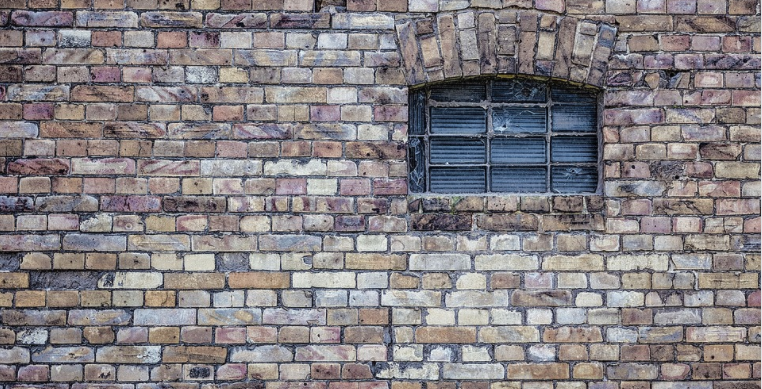
Detection method
There are several methods for durability testing of building materials, depending on the specific properties being evaluated and the type of material being tested. Some common durability testing methods for building materials include:
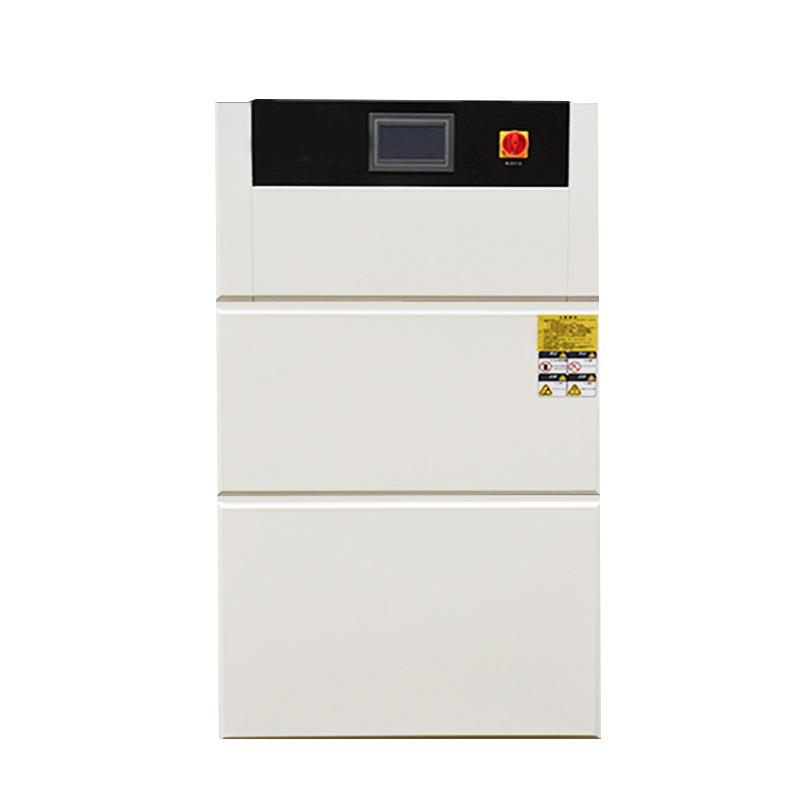
Accelerated Weathering Testing: This involves exposing materials to accelerated environmental conditions such as temperature, humidity, UV radiation and chemical exposure in a controlled laboratory environment. This allows the evaluation of material performance under accelerated aging conditions to simulate long-term exposure over a relatively short period of time.
Exposure testing: This involves exposing the material to actual outdoor environments for extended periods of time to assess how it will perform under real-world conditions. This may include exposure to environmental factors such as sunlight, humidity, temperature fluctuations and chemical exposure, and involves monitoring the performance of the material over time.
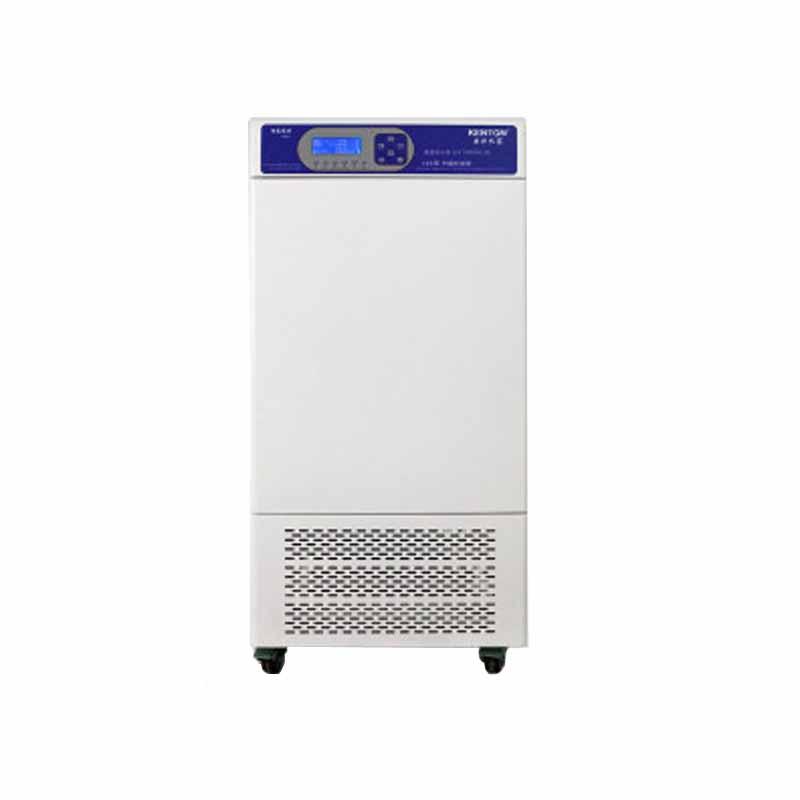
Humidity Resistance Testing: This involves exposing a material to moisture or water for a specified period of time to assess its resistance to moisture-related degradation such as swelling, warping, or mold growth. Depending on the material and intended application, various methods such as immersion, spray or steam exposure can be used.
Chemical Resistance Testing: This involves exposing a material to chemicals or corrosive substances it may encounter in its intended environment to evaluate its resistance to chemical degradation or corrosion. This can include immersion or exposure to specific chemicals or chemical solutions, as well as monitoring the properties and characteristics of materials before and after exposure.
Thermal Cycling Testing: This involves subjecting a material to repeated cycling of temperature changes to evaluate its performance under thermal stress. This may include rapid or gradual temperature changes and monitoring the material's dimensional stability, strength and other properties during and after thermal cycling.
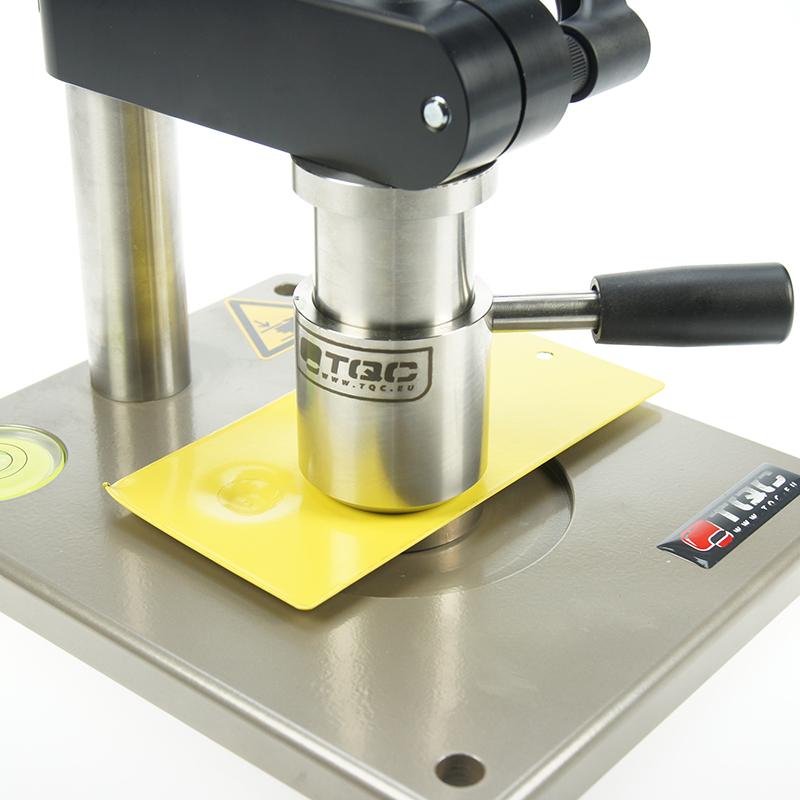
Mechanical testing: This involves subjecting materials to mechanical loads or stresses to assess their strength, stiffness, toughness, and other mechanical properties. This can include tests such as tensile testing, compression testing, bending testing and impact testing.
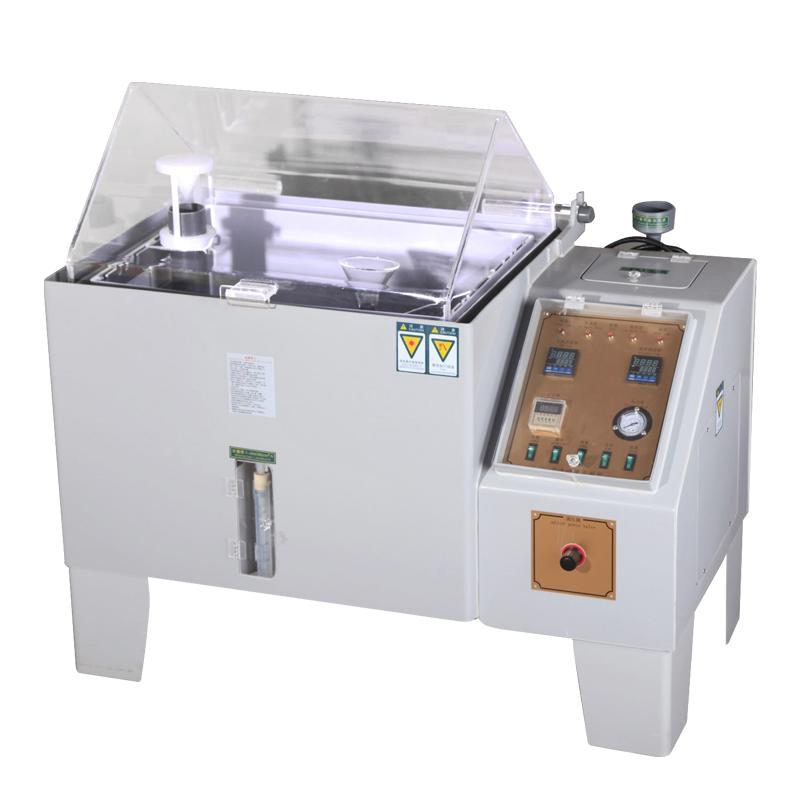
Corrosion testing: This involves exposing the material to conditions that promote corrosion, such as salt spray, acidic or alkaline environments, or corrosive gases, to evaluate its corrosion resistance and performance in corrosive environments.
Freeze-thaw testing: This involves subjecting the material to repeated freeze-thaw cycles to assess its resistance to freeze-thaw damage, which can occur in materials exposed to cyclic freeze-thaw conditions.
Fire Resistance Testing: This involves the controlled exposure of materials to fire to assess how they will perform in fire situations, including properties such as flame spread, smoke development and heat release rates.
Other Specific Tests: Depending on the type of material and its intended application, there may be other specific durability evaluation tests such as abrasion resistance, UV resistance, impact resistance or chemical emissions.
Beichao reminds you: The specific method of durability testing may vary depending on the material being tested, the characteristics being evaluated, and relevant industry standards or regulations. Proper testing procedures and guidelines need to be followed and consultation with experts or accredited laboratories is required to ensure accurate and reliable results.
- 1Basic Principle, Functional Characteristics and Application of xenon arc aging Test Chamber
- 2Principle and application of plastic rope UV aging Test Chamber
- 3The working principle and application of UV aging Test Chamber for die casting aluminum
- 4The basic principle and application of UV aging Test Chamber
- 5Basic principle and application of anode UV aging Test Chamber
- 6Introduction of working principle and application scope of water-cooled xenon arc weathering Test Chamber
- 7Working Principle and Application Analysis of Ceiling Salt Spray Tester
- 8The difference between fluorescent UV Lamp and xenon arc: Two Light sources in artificial accelerated aging
- 9Xenon arc weathering vs UV weathering: differences in ray of light simulation