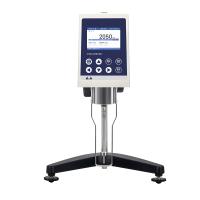
Rotational viscometer calibration method
A Rotational Viscometer is an instrument for measuring the viscosity of liquids and is widely used in industries such as manufacturing, pharmaceuticals, and food production. Calibrating a Rotational Viscometer thus ensures that it provides accurate measurements, which is especially important in industries that require precise control of the viscosity of liquids, where even a small measurement error can have serious consequences. At the same time, it can ensure that it provides reliable measurement results, which is also very important for controlling the production process and ensuring that the product meets the specification requirements. Many industries have strict regulations requiring the use of calibrated measuring instruments to ensure products meet safety and performance standards. These are all necessary to calibrate the Rotational Viscometer.
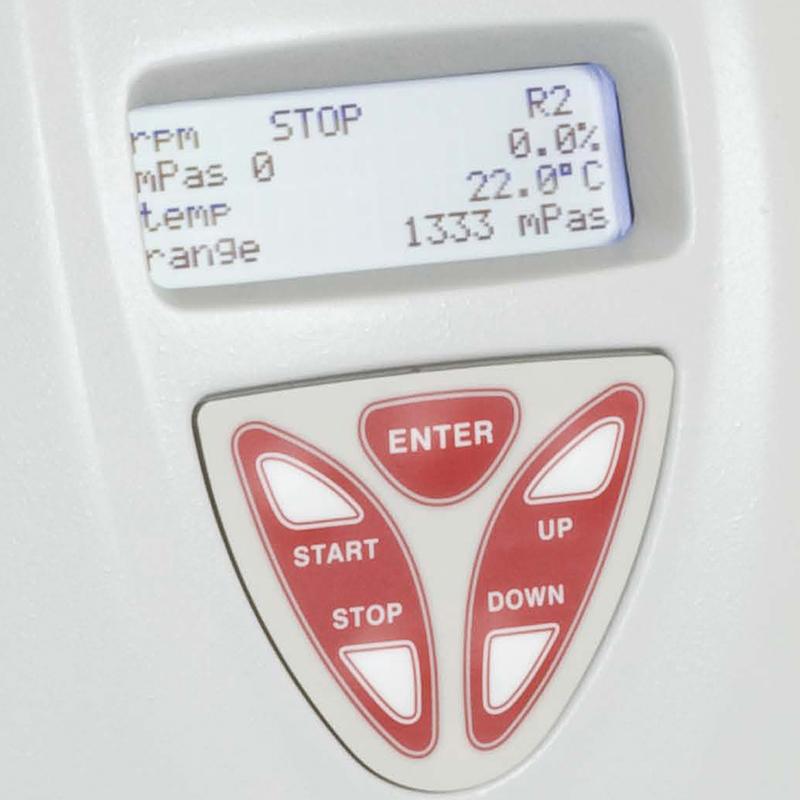
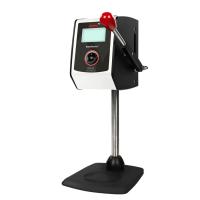
So, how do you calibrate a Rotational Viscometer? A Rotational Viscometer measures the viscosity of a fluid by measuring the torque and rotational speed of a spindle immersed in the fluid. Here are the steps one can follow to calibrate a Rotational Viscometer:
Check the manufacturer's instructions: The manufacturer's instructions will give you the exact steps to calibrate your Rotational Viscometer. Follow them carefully to ensure accurate results.
Select the correct calibration fluid: Choose the calibration fluid that matches the viscosity range you will be measuring. The known viscosity of the calibration fluid should be close to the viscosity of the fluid you will be measuring.
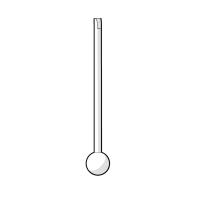
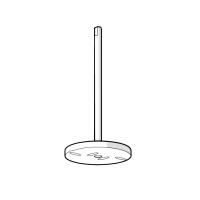
Setting up the Rotational Viscometer: Make sure the Rotational Viscometer is clean and dry. Mount the spindle on the viscometer and adjust the spindle clearance according to the manufacturer's instructions.
Measure the calibration fluid: Measure the viscosity of the calibration fluid using a Rotational Viscometer and record the results.
Compare Reading to Known Viscosity: Compare the reading to the known viscosity of the calibration fluid. If the reading is inaccurate, adjust the Rotational Viscometer settings until it matches the known viscosity.
Repeat the process: Repeat the calibration process with different calibration fluids and different viscosity ranges to ensure accuracy over a series of measurements.
A word of caution: Rotational Viscometers can wear out over time from use or exposure to chemicals, which can affect their accuracy. It is therefore recommended to calibrate the Rotational Viscometer periodically, for example every six months or after heavy use, to ensure accurate measurements.
- 1Rotational viscometer - principle, classification, application and calibrating
- 2Application of NDJ-8S digital Rotational Viscometer in viscosity measurement of cosmetic raw materials
- 3NDJ-5S digital Rotational Viscometer accurate measurement of natural oil viscosity
- 4Viscosity of polypropylene (PP) amide measured by NDJ Viscometer
- 5Application of HBDV-1H swirl/spin High Temperature Viscometer in Viscosity Determination of Plastic Particles
- 6Rotational viscometer selection guide: How to choose the right viscosity equipment for you?
- 7Principle, type and accuracy control of Rotational Viscometer
- 8Which Viscometer to Choose for Licorice Extract Viscosity Testing? How to Test?
- 9Application of Rotational viscometer in Waterborne Polyurethane Adhesive