ISO 15184 Pencil method to measure the hardness of paint film
ISO 15184 provides a method for determining the film hardness of paints and varnishes using the pencil test. The pencil test is a simple and widely used method for evaluating the hardness of coatings on a range of substrates.
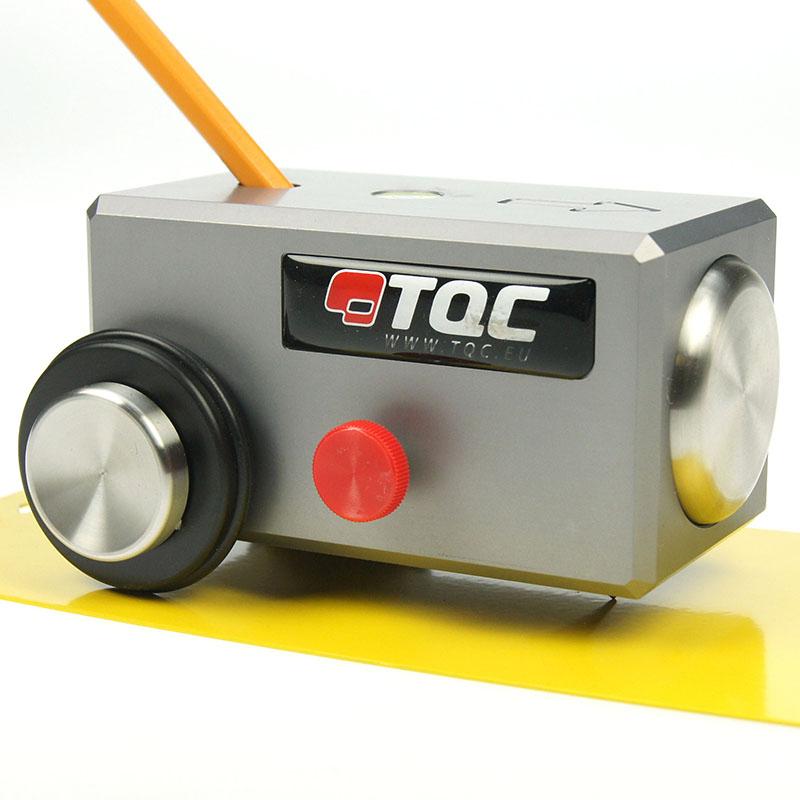
The test involves scratching the surface of the coated substrate with a set of pencils of varying hardness. The hardness of the coating is determined by the highest pencil grade that will not cause visible damage to the coating. Pencil grades range from 9B (very soft) to 9H (very hard), with intermediate grades like 2B and HB.
ISO 15184 provides guidance for the preparation of test samples, the selection and handling of pencils, and procedures for conducting pencil tests. The standard also includes guidance on interpreting test results.
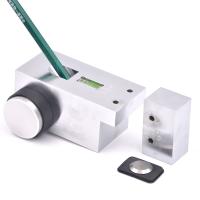
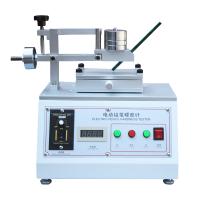
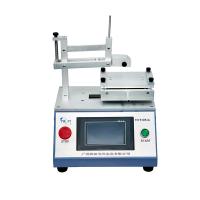
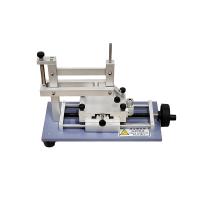
During the test, first let the coated substrate dry or cure according to the manufacturer's instructions, then place the substrate on a flat surface, and use a pencil of specified hardness to make a series of parallel scratches on the coating surface at a fixed angle. Hold the pencil with pressure and move it back and forth across the substrate in a straight line, gradually increasing the pencil grade until visible damage is observed on the surface of the coating.
The film hardness of the coating was then determined by the highest pencil grade that caused no visible damage to the coating. For example, if the substrate survives scratches from a 2H pencil, but is damaged by a 3H pencil, the film hardness is rated at 2H.
The film hardness of a coating is an important parameter affecting its performance and durability in various applications. Coatings with low film hardness may be susceptible to scratches, abrasions, or other forms of damage that compromise their ability to protect the substrate.
In summary, ISO 15184 provides a standardized procedure for determining the film hardness of paints and varnishes using the pencil test, and can be an invaluable tool for evaluating the performance and durability of coatings in a variety of applications. By following the procedures outlined in the standard, users can obtain reliable and reproducible results that can be used to inform important decisions related to coating selection and quality control.
- 1Film hardness testing method: pendulum hardness, pencil hardness, etc
- 2Analysis of hardness measurement by ASTM D3363 pencil method
- 3Pencil Hardness Tester test procedure, application and different Hardness Pencil introduction
- 4Pencil hardness testing of film
- 5Ceramic Coated Pencil Hardness Test
- 6Relevant standards for pencil Hardness Testers
- 7What is a pencil hardness test?
- 8What performance subjects are tested for water-based floor coating materials and how do they meet the standards?
- 9Which performance subjects should be tested for water-based alkyd resin? How to judge the results?